Will Yuh-Line Niou Stand Up for Traffic Relief in Her Car-Battered Lower Manhattan District?
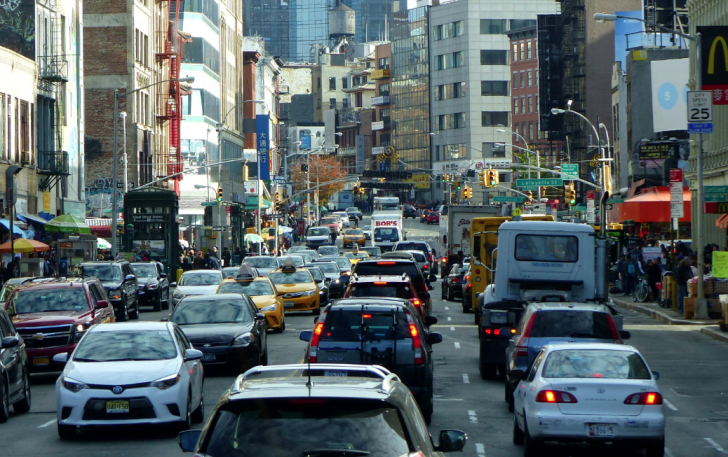
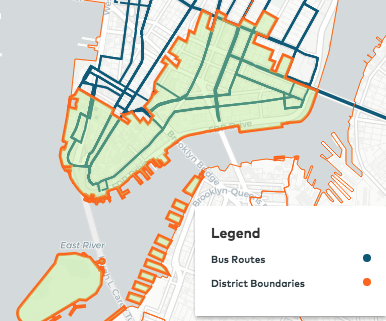
Perhaps nowhere else in New York suffers from the lack of congestion pricing more than the 65th Assembly district in Lower Manhattan. Every day, hundreds of thousands of motorists take advantage of the three untolled bridges linking Brooklyn and Manhattan, creating a torrent of car and truck traffic on the district’s streets.
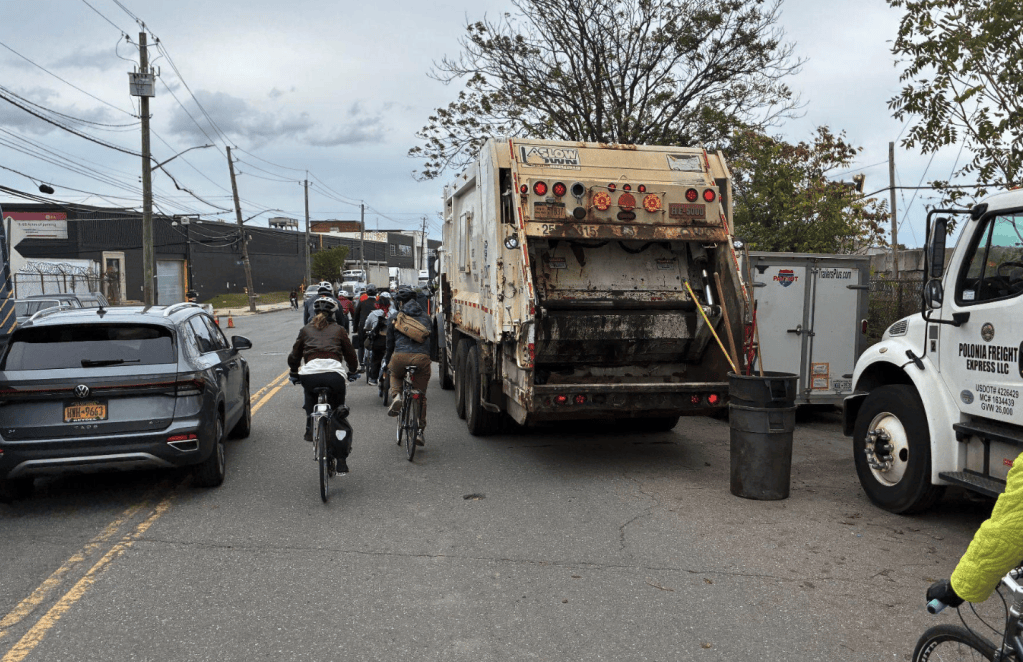
Chinatown and the Lower East Side, especially, get overrun by traffic heading to and from the Brooklyn, Manhattan, and Williamsburg bridges. The “New Jersey trucker’s special” — the toll-free route to Long Island and then back to New Jersey — also runs straight through these areas.
Neighborhoods where 74 percent of households don’t even own cars put up with pollution, honking, and slow-as-molasses bus service due to the free bridges. Attempts to carve out street space for safe walking and biking, meanwhile, butt up against the traffic engineer’s instinct to accommodate all those motor vehicles.
When a congestion pricing plan reached Albany in 2008, then-speaker Sheldon Silver represented this district and famously prevented a vote to save his caucus the trouble of taking a public position. Now that Silver is gone, will the residents of the 65th district have a voice in Albany supporting traffic relief?
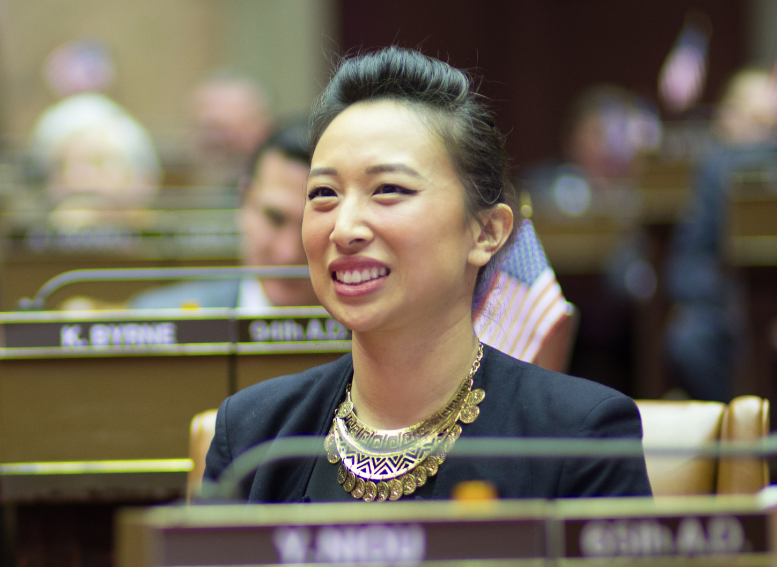
The decision falls to Assembly Member Yuh-Line Niou, who was elected to the seat in 2016.
We asked Niou for her position on the congestion pricing plan released by Governor Cuomo’s Fix NYC panel. Her office sent a statement saying that she is “still in the process of reviewing the Governor’s proposal for congestion pricing.”
But if New York is finally going to get a road pricing system that cuts down on the traffic smothering her district, Niou says her constituents should be exempt:
The MTA is in dire need of repairs, and congestion pricing has been presented as an option to get the funding we need to fix the system. We obviously need a steady revenue stream and congestion pricing is a viable option to provide that. At the same time, we need to balance the needs of residents living in a proposed congestion zone. I’m hearing from constituents all across my district.
We need to explore a carve-out for lower Manhattan. We have a lot of seniors, and low-income and working-class families and individuals who live in my district, and they should be able to move freely around their neighborhood and not have to worry about paying extra. Extra financial burden should not be placed on our families just because of where they live geographically. I also have concerns about the small businesses who rely on transports traveling to and from the outer-boroughs. I look forward to continuing this conversation with my colleagues in the Senate and Assembly and listening to what my constituents have to say about congestion pricing.
This is remarkably similar to the excuses representatives from Eastern Queens offer up when they oppose congestion pricing. Citing “working-class families” to oppose road pricing makes even less sense in the 65th district, where 90 percent of residents commute by transit, walking, or biking, according to Census data compiled by the Tri-State Transportation Campaign.
Nowhere in the statement does Niou acknowledge that a supermajority of her constituents don’t even own cars. They are already suffering under the burden of excessive traffic.
The flood of cars and trucks pouring into the district leads to slow bus speeds and disproportionately high rates of traffic fatalities. In 2017, six people were killed in traffic crashes in the 65th district, per city crash data, about twice as many fatalities as the borough-wide rate would predict. That’s one reason Council Member Margaret Chin, whose district largely overlaps with Niou’s, supported Move NY toll reform.
In addition, travel speeds for MTA bus routes in the district average just 4.9 mph, compared to 5.5 mph borough-wide.
An underlying presumption in Niou’s statement is that the “needs of residents living in a proposed congestion zone” start and stop with people who drive.
But that has no bearing to most residents of the 65th district, where cutting down on car traffic would pay off in the form of safer streets, faster buses, and less stress from motor vehicles.
Congestion pricing stops working once you layer in exemptions like the one Niou is proposing. What residents of Lower Manhattan can’t afford is a traffic reduction plan that gets watered down to nothing.

Read More:
Streetsblog has migrated to a new comment system. New commenters can register directly in the comments section of any article. Returning commenters: your previous comments and display name have been preserved, but you'll need to reclaim your account by clicking "Forgot your password?" on the sign-in form, entering your email, and following the verification link to set a new password — this is required because passwords could not be carried over during the migration. For questions, contact tips@streetsblog.org.