When People Aren’t Afraid to Walk in the Street With Cars


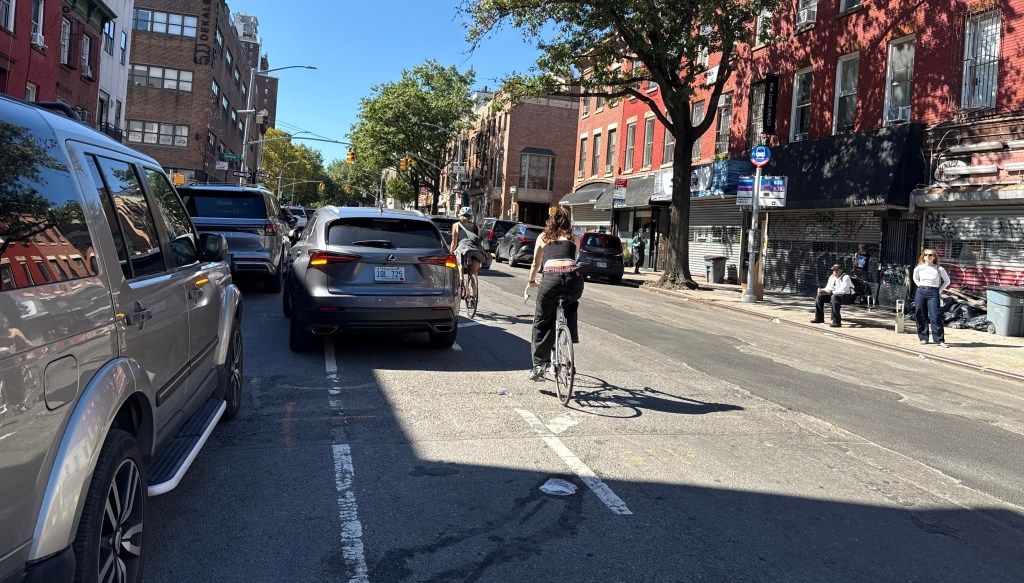
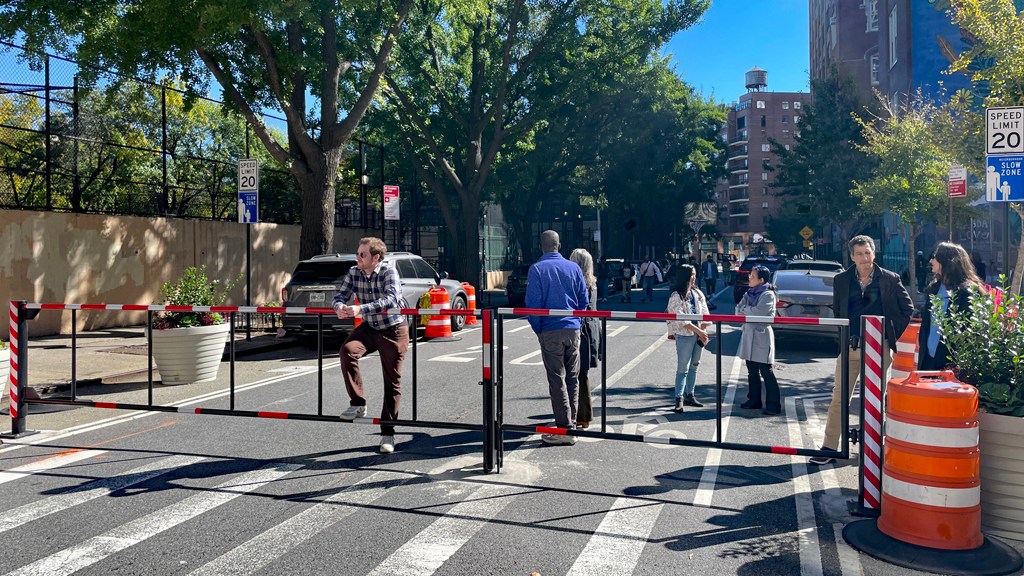
“Shared spaces” are streets where driving is allowed but walking and biking take priority. They are designed without curbs, signage, and other typical markers that separate cars from people on foot. The design cues are subtler. Everyone mixes together in the same space, and drivers travel slowly enough that they can make eye contact with pedestrians.
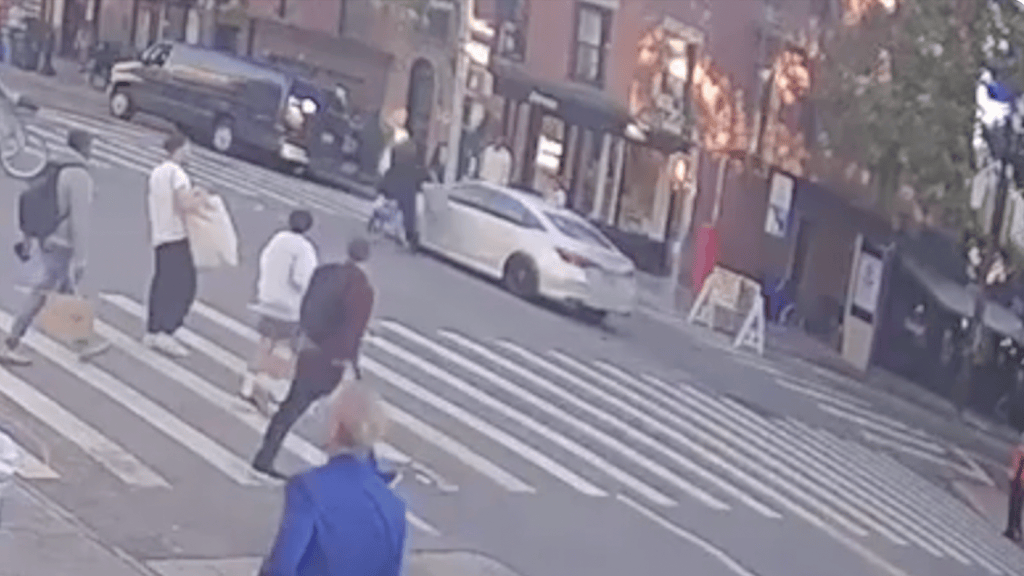
Can you have an “accidental” shared space — a street with curbs where people are still comfortable walking in the road? Richard Masoner at Network blog Cyclelicious says Pacific Avenue in downtown Santa Cruz functions as a shared space on weekends even though it wasn’t planned as one:
Most of those driving — even tourists with out-of-state license plates — take care to watch for people meandering into the street from arbitrary locations.
This kind of slow traffic naturally improves safety for people on bikes. I’ve talked to people who strongly dislike riding with traffic, but feel perfectly fine biking through downtown.
I’m not smart enough to know if it’s culture, design, or what that influences people to drive more carefully here. My crazy hypothesis: we have several people with a tolerance for high risk behavior who are willing to violate social norms and jump into traffic willy nilly.
I can’t recommend this as public policy — even in Santa Cruz, such individuals who dash across busy intersections against a red light are hit by cars — but I think we have a critical mass of people like this who embolden others to claim and own our public spaces.
If pedestrians feel comfortable taking over the street, it sounds like planners and the community did something right.
Elsewhere on the Network today: Greater Greater Washington lambasts the half-baked plan for cutting late night DC Metro service. The City Fix reports on new financing techniques that could help support walkable urban development. And 1000 Friends of Wisconsin shares stories from a recent transportation equity summit about how the state’s lousy support for transit affects people’s lives.

Read More:
Streetsblog has migrated to a new comment system. New commenters can register directly in the comments section of any article. Returning commenters: your previous comments and display name have been preserved, but you'll need to reclaim your account by clicking "Forgot your password?" on the sign-in form, entering your email, and following the verification link to set a new password — this is required because passwords could not be carried over during the migration. For questions, contact tips@streetsblog.org.