A Vote for Parking Minimums Is a Vote to Keep the Rent Too Damn High
[Editor’s note: With the City Council debating potential reforms to the city’s parking mandates today, we’re republishing this piece that originally ran in December. Stay tuned for coverage of the hearing later today.]
Jimmy McMillan may have retired from politics, but the rent is still too damn high and New York City’s mandatory parking minimums are a major reason why.
That’s because parking costs a lot of money to build and takes up a lot of space. With city rules requiring parking in new construction, New York ends up with higher rents and less housing to go around than would otherwise be the case.
The de Blasio administration has proposed doing away with parking minimums for subsidized housing near transit. Predictably, a lot of community boards still want to compel the construction of parking spaces, even if the city knows most of them will go unused.
Members of the City Council, which will negotiate the final rezoning plan with City Hall, are by and large on the fence about the proposed parking reforms. This is an issue Streetsblog has covered a lot over the past several years, so here are five reminders that a vote for parking minimums is a vote to make housing in New York City less affordable.
1. The Time Building a Project Without Parking Made It More Affordable
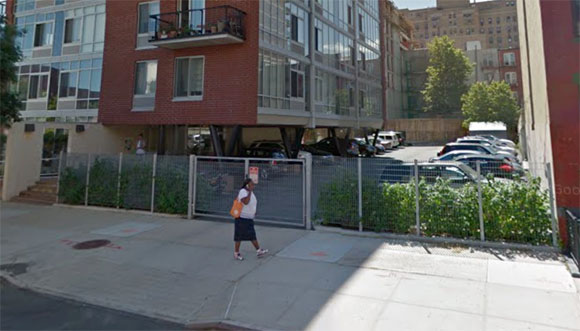
Navy Green is an affordable housing project in Fort Greene that consists of 458 homes, 75 percent of which will be affordable to households earning between 30 and 130 percent of the area median income. That level of affordability was possible because the project includes zero parking spots, developer Martin Dunn told Streetsblog.
2. The NYU Reports That Proved Parking Minimums Distort What Gets Built
Developers in New York don’t build parking because that’s what people are demanding — they build it because they’re forced to. A 2011 report from NYU’s Furman Center for Real Estate and Urban Policy showed that developers of Queens affordable housing projects were overwhelmingly building the exact minimum number of spots required by law — or fewer, when they could manage a waiver.
Parking requirements, in other words, are compelling builders to construct storage for cars instead of housing for people. In a follow-up report, the Furman Center expanded its research, showing that the distortion caused by parking requirements affects all five boroughs.
3. The Time Parking Requirements Forced an Affordable Housing Project to Shrink
An architect working on a HUD-sponsored project in the Bronx was forced to cut units from the development after a new zoning classification required additional off-street parking. It was a small project, resulting in a 16-unit building instead of an 18-unit building. But the effect of parking requirements adds up across the scale of the whole city — imagine if every affordable housing project could be built with 12 percent more units.
4. The Affordable Housing Developer Who Said Parking Requirements Killed Projects
Alan Bell, who’s built thousands of units of affordable and market-rate housing in the NYC area, told Streetsblog he’d turned down or completely avoided multiple projects because the mandated parking wouldn’t fit on the site. “If you have a modest size building,” he said, building parking “is really prohibitive.”
5. When the Public Housing Authority Came Out Against Parking Requirements
Former NYCHA Chair John Rhea questioned whether Department of City Planning parking rules were “working against us instead of supporting us” in 2011. Speaking at a Municipal Arts Society-sponsored panel, Rhea named parking minimums as a key impediment to a proposal that could increase the city’s affordable housing stock by increasing density at existing developments.

Read More:
Streetsblog has migrated to a new comment system. New commenters can register directly in the comments section of any article. Returning commenters: your previous comments and display name have been preserved, but you'll need to reclaim your account by clicking "Forgot your password?" on the sign-in form, entering your email, and following the verification link to set a new password — this is required because passwords could not be carried over during the migration. For questions, contact tips@streetsblog.org.