New Data Reveal Which City Agency Is Running Over the Most Pedestrians

Over the past eight years, there have been more than 1,200 personal injury claims against the city involving pedestrians injured or killed by drivers of city vehicles, including 22 pedestrian deaths, according to a new report and interactive map from Comptroller Scott M. Stringer [PDF]. Over the same period, the city paid $88 million for pedestrian injury settlements and judgments. Claims have held steady in recent years, with NYPD consistently holding the top spot among city agencies.
The document is an update to Stringer’s “ClaimStat” report from July, which offered broad numbers on the city’s motor vehicle-related property and injury claims. Today’s report takes a deeper dive into claims related specifically to pedestrian deaths and injuries. It did not examine bicyclist injuries or deaths.
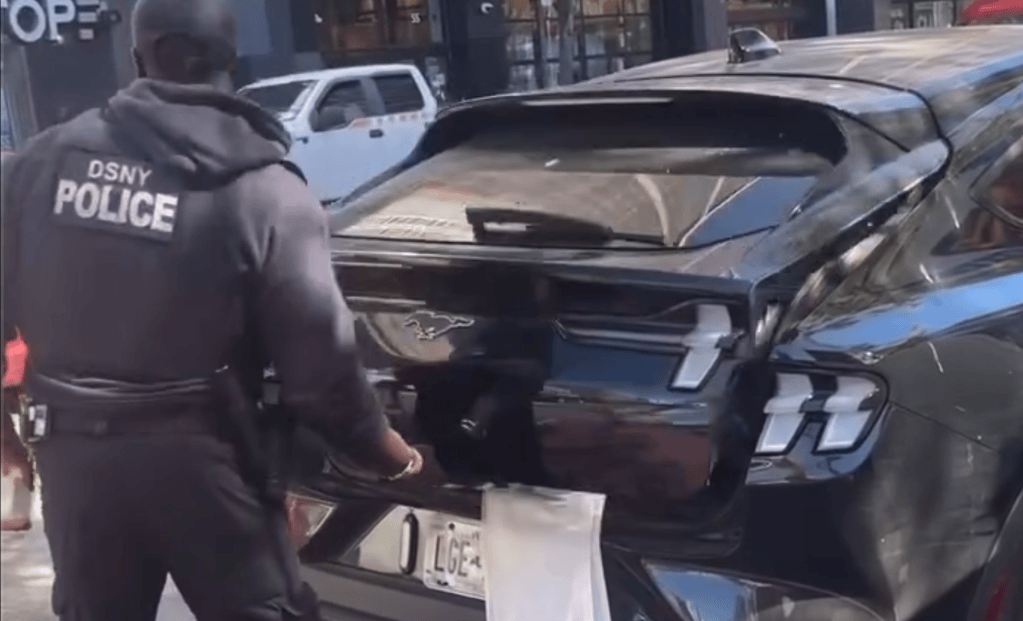
Pedestrians killed by city drivers within the past eight years include Ryo Oyamada, killed by an NYPD driver in Queensbridge last year, and Roxana Sorina Buta, killed by a hit-and-run DOT dump truck driver in 2012. Claims against the city for pedestrian deaths over the past eight years are concentrated in three departments, according to data provided to Streetsblog by Stringer’s office. There were eight claims filed against NYPD, five against FDNY, and four against DSNY. The departments of Education, Transportation, Health and Mental Hygiene, and the Administration for Children’s Services had one pedestrian death claim each. One claim was not assigned to a specific agency.
City government has more than 28,000 vehicles and 85,000 authorized drivers, according to Stringer. During fiscal years 2007 through 2014, there were 1,213 pedestrian personal injury claims filed, including 22 pedestrian fatalities. The city paid out $88,134,915 during the same period for pedestrian injury cases.
Most claims are concentrated in denser neighborhoods, with Community District 5 in Midtown Manhattan leading the city with 50 claims.
Because NYPD accounts for such a large portion of all pedestrian claims against the city — more than 42 percent — the geographic distribution of its claims generally matches the overall trend. Other departments show different patterns. For example, pedestrian claims against the Sanitation Department are highest in Upper Manhattan, East Harlem, and the area covering Maspeth, Glendale, Middle Village, and Ridgewood in Queens. Claims against the Department of Education are lowest in the Manhattan core, which the comptroller’s office attributes to fewer school buses serving that part of the city.
“There’s a lot of factors that could contribute to claims. It could be the locations of facilities, the concentration of pedestrians, and the way the vehicles are used,” said Eric Sumberg, a spokesperson for the comptroller’s office. “The goal is to provide tools and analysis that can help agencies.”
The report praised work by the Department of Citywide Administrative Services, which manages the city’s fleet operations. As part of Vision Zero, DCAS is studying new collision tracking systems, back-up cameras, rear-wheel side guards, and technology that monitors speed, braking, and seat belt use, as well as expanded driver training, according to the report. DCAS said it has increased its driver training programs by offering classes every day and hosted the city’s first forum on fleet safety earlier today [PDF].
“New Yorkers know all too well the dangers faced by pedestrians on our city streets,” Stringer said in a press release. “We need to reduce claims, not merely maintain the status quo…City agencies must do more to improve safety on our streets and do their part to further the goals of the Mayor’s ambitious Vision Zero initiative.”

Read More:

Streetsblog has migrated to a new comment system. New commenters can register directly in the comments section of any article. Returning commenters: your previous comments and display name have been preserved, but you'll need to reclaim your account by clicking "Forgot your password?" on the sign-in form, entering your email, and following the verification link to set a new password — this is required because passwords could not be carried over during the migration. For questions, contact tips@streetsblog.org.