No Charges for Driver Who Was “Too Short” to See the Pedestrian He Killed

They say if you want to kill someone in America, do it in a car. You’ll never get charged.
And it’s mostly true. Lenient laws and a culture of tolerance for traffic violence means that unless you were intoxicated when the crash occurred, the official word is most likely “accidents happen.” Even an investigation into a collision that caused life-threatening injuries might be too much to ask in a lot of jurisdictions. Streetsblog recently found that fewer than 1 percent of drivers who kill or injure pedestrians and cyclists in New York City are ticketed for careless driving, much less charged with a crime.

Today we have a great example of what passes for an acceptable excuse for killing someone with your car in America. James Sinclair at Network blog Stop and Move reports a Fresno commercial driver was spared charges after killing a pedestrian in part because he was “too short” to see what was in front of him:
Once upon a time, “I didn’t see him” was not an excuse. The rule was, if you hit something or someone, you were “driving too fast for the conditions,” or “not exercising due caution.” Most cops, it seems, have forgotten the rule, and take “I didn’t see him!” as a perfectly valid excuse. Fresno PD seems to have recently expanded that leniency in the death of a pedestrian this week in Fresno.
According to the Fresno Bee: “Officers also determined it would have been impossible for the driver to see the pedestrian because of the driver’s short stature and seating position. The driver faces no charges.” Says Sinclair:
Does the driver not deserve blame for failing to adjust their seat properly? Perhaps an inquiry as to why someone who can’t see the road is driving in the first place? Of course not. It’s not their fault they were dealt a short deck, and driving is a right after all.
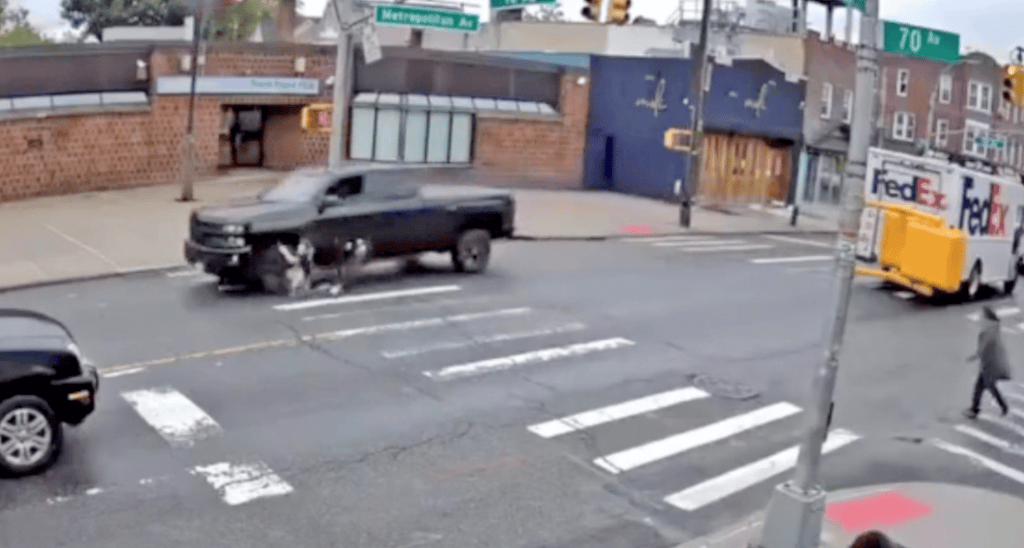
Did I mention the driver was maneuvering a FedEx big rig? I guess being a commercial driver of an enormous truck does not obligate one to be able to see the road … or feel a collision.
If you can run someone over in downtown Fresno, and not even notice, something is wrong. The driver failed in adapting to an urban environment. FedEx failed in assigning this person to a large truck, and the state licensing system failed in giving them a commercial license without restrictions.
Elsewhere on the Network today: Greater Greater Washington reports the Maryland State Highway Association isn’t too interested in the concerns of the state’s pedestrians. Austin Contrarian says the city’s overly complex zoning code is a reflection of the lack of consensus about what type of development is best. And the Dallas Morning News’ Transportation Blog explains why DART has decided to stop charging for parking at its park-and-ride stations.

Read More:
Streetsblog has migrated to a new comment system. New commenters can register directly in the comments section of any article. Returning commenters: your previous comments and display name have been preserved, but you'll need to reclaim your account by clicking "Forgot your password?" on the sign-in form, entering your email, and following the verification link to set a new password — this is required because passwords could not be carried over during the migration. For questions, contact tips@streetsblog.org.