The Seattle NIMBY Nightmare: A Five-Minute Walk From House to Car

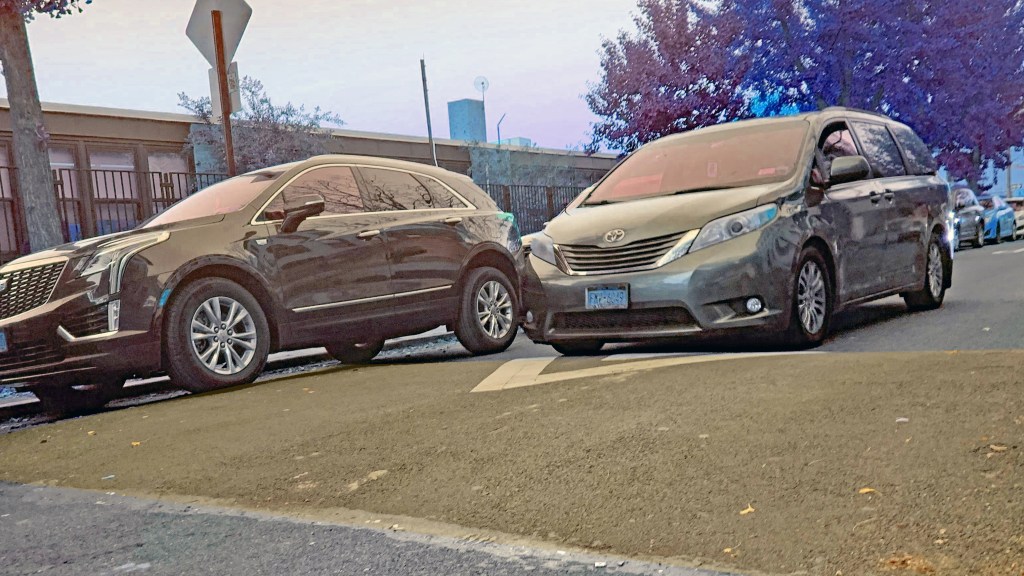
A 400-unit apartment building is in the works for an area of West Seattle zoned as a “transit village,” with frequent, convenient transit connections. Attached to the apartments will be 122 parking spaces. Can you tell where this story is headed?
The relatively low ratio of parking to housing recently yielded a hyperbolic news report that’s very sympathetic to neighboring homeowners who fear an impending “parking jungle.”

Erica C. Barnett at Publicola says the report is revealing in a number of ways. First, homeowners make some wacky assumptions about who street parking belongs to. Second, project opponents are bent out of shape about some very mundane future scenarios:
The nightmare outcome KING 5 envisions—”Imagine having to walk a quarter mile from your car to your home after work”—works out to about a five-minute walk from car to porch. Is that tiny inconvenience—a shorter walk than many transit riders somehow manage to undertake daily—really a sufficient reason to demand that developers add hundreds of new parking spaces, thereby driving up rents and forcing lower-income renters further out into the suburbs (where they’ll definitely need to own a car)?
Talk about social engineering.
And, more to the point: Even assuming the story’s absurd premise—everyone who moves into a new apartment building in a dense urban village will own a car—the fact is that no one, including [angry West Seattle resident Gary] Reifel, other homeowners, or even those theoretical multi-car-owning renters, actually owns the streets. You have no more right to park in the space in front of your house than you have to your favorite park bench, or the prettiest view, or the nicest spot on the beach. Public amenities like parking are just that: Public—not private facilities to be enjoyed only by those who happened to get there first.
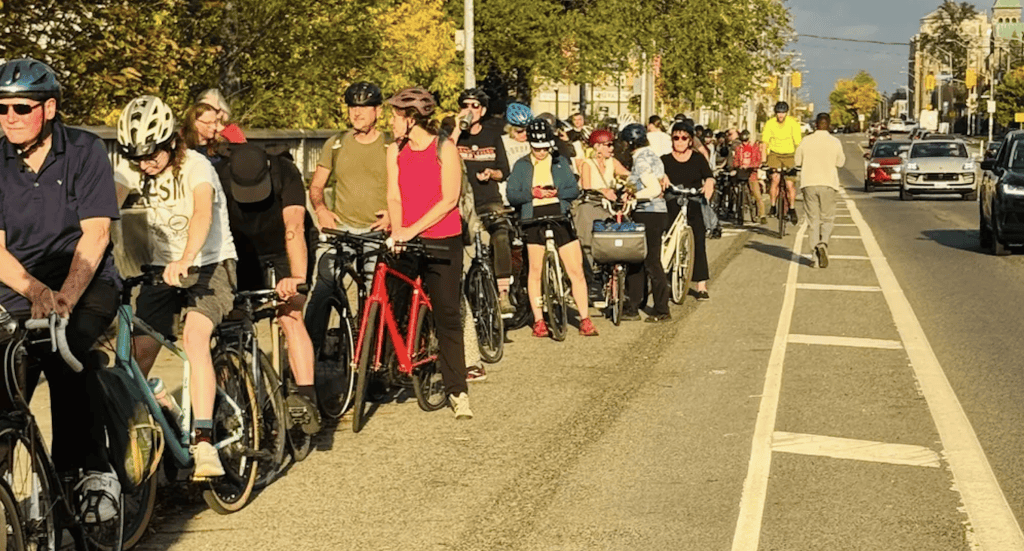
Elsewhere on the Network today: Cyclelicious reports that a peaceful neighborhood bike party in Santa Clara was broken up by police, who called the event “unlawful assembly.” The Alliance for Biking and Walking explains how different states are adjusting to the new “Transportation Alternatives” funding program, introduced in the last transportation bill. And at Shareable Cities, Jay Walljasper remembers what it was like being part of Minneapolis’s first successful highway revolt.

Read More:
Streetsblog has migrated to a new comment system. New commenters can register directly in the comments section of any article. Returning commenters: your previous comments and display name have been preserved, but you'll need to reclaim your account by clicking "Forgot your password?" on the sign-in form, entering your email, and following the verification link to set a new password — this is required because passwords could not be carried over during the migration. For questions, contact tips@streetsblog.org.