The Faulty Logic Behind Pro-Car Populism

If you’ve ever made the case that roads and parking shouldn’t be subsidized, you’ve probably heard the counter argument that raising parking rates, gas taxes, or tolls is regressive policy that will hurt the poor. And it’s true that raising the prices of those things would mean everyone, including those with low incomes, would pay more for them.
But as Bill Lindeke masterfully lays out at Network blog Streets.mn today, ending car subsidies still leads to more equitable development than perpetuating them:

It’s a perverse paradox where the automobile’d sprawling American landscape is justified because it helps the poor. For example, you’ll see the pro-sprawl lobby use housing costs to justify limitless development, or gentrification activists argue that transit or bicycling investments are bad because they increase property values, hurting the poor.
What this argument is missing is how the current system is regressive. The present structure of subsidizing driving, parking, and boundless urban development harms the ‘inner city’ through freeway and road expansions. It benefits the wealthy far more than the working or middle classes.
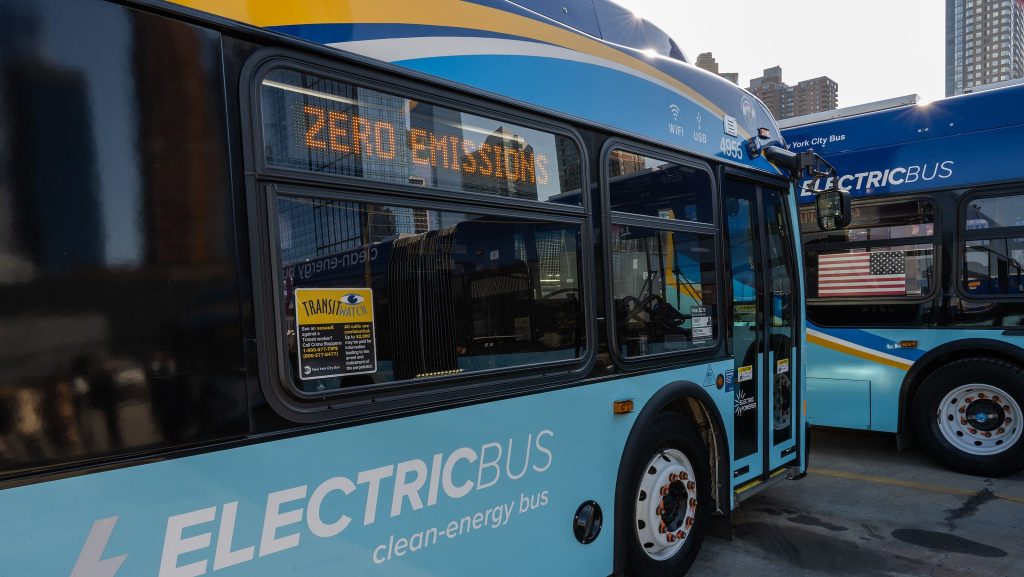
Next time you’re on the city bus, look around and think about who is riding with you. The vast majority of transit users are poor people. Meanwhile everyone pays for freeways and parking and the mortgage interest tax deduction, whether they use them or not. The current system of subsidies is not a progressive force of social justice. Free and easy motoring increases social and spatial inequality at the expense of more egalitarian urban fabric.
In fact, I’d argue that the opposite has occurred. We’ve demolished affordable housing to make room for freeways and parking garages. We’ve eroded government services through municipal fragmentation, civic tax shelters, and fostered spatial segregation. We’ve abandoned our transit systems, relegating them to the margins. We’ve refused to accommodate transportation alternatives in ways that foster deep inequalities.

Read More:
Streetsblog has migrated to a new comment system. New commenters can register directly in the comments section of any article. Returning commenters: your previous comments and display name have been preserved, but you'll need to reclaim your account by clicking "Forgot your password?" on the sign-in form, entering your email, and following the verification link to set a new password — this is required because passwords could not be carried over during the migration. For questions, contact tips@streetsblog.org.