Make Smart Growth Affordable by Building More of It
Today on the Streetsblog Network, we're looking at a post from Kaid Benfield on NRDC Switchboard about smart growth and how to make it more affordable. The answer, in a nutshell, is to build more of it -- and the market tells us the demand is there.
Today on the Streetsblog Network, we’re looking at a post from Kaid Benfield on NRDC Switchboard about smart growth and how to make it more affordable. The answer, in a nutshell, is to build more of it — and the market tells us the demand is there.
One of the more frustrating challenges for people in our field to
overcome is a certain past-is-destiny argument from sprawl defenders
who contend that past trends in favor of large-lot, dispersed,
automobile-dependent development constitute proof that Americans want
more of it in the future.
In fact, signals in the market have never been clearer that consumer
preferences are changing and that demand for smart growth will outpace
both demand for sprawl and current smart growth supply trends in the
coming decades.…
Litman walks the reader through the evidence, from market surveys to
trend data to quite a bit of academic research, all suggesting that,
while demand for large-lot suburban homes will remain (an important
point), it is not where the growth in demand will occur.
Litman’s work is a must-read for anyone interested in the relationship between smart growth and market forces.
More from around the network: Bike Commuting in Columbus looks at why cyclists in that city break the law. The WashCycle examines a BBC report on risks for women bikers. And St. Louis Urban Workshop blogs about the importance of complete streets in transit planning.
Streetsblog has migrated to a new comment system. New commenters can register directly in the comments section of any article. Returning commenters: your previous comments and display name have been preserved, but you'll need to reclaim your account by clicking "Forgot your password?" on the sign-in form, entering your email, and following the verification link to set a new password — this is required because passwords could not be carried over during the migration. For questions, contact tips@streetsblog.org.
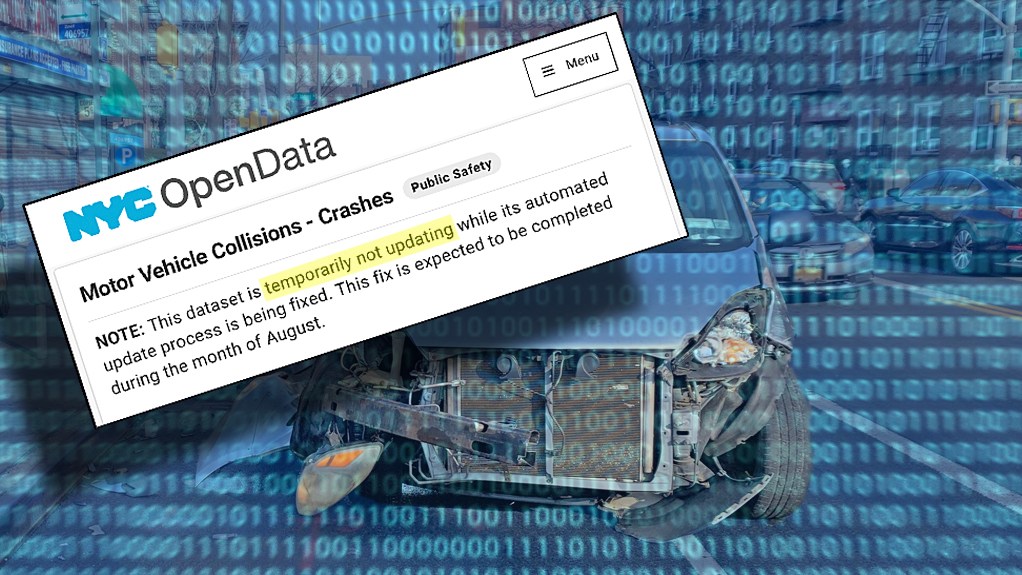
The keepers of the city's Open Data have not updated the crash stats in more than four months, causing public officials to understate the extent of the road safety crisis.