Carrots Are Good for You, and So Are Sticks

A very interesting post today on the Streetsblog Network from getDowntown, in Ann Arbor, Michigan. The getDowntown program, which aims to get more people using alternative modes of transportation through a variety of incentives and support systems, is a partnership between the Ann Arbor Area Chamber of Commerce, the Ann Arbor Transportation
Authority, the City of Ann Arbor and the Downtown Development Authority. It’s been around since 1999.
In this post, getDowntown’s Nancy Shore steps back and asks a philosophical question about the mixture of incentives and disincentives — carrots and sticks — that are necessary to get people to kick the car-commuting habit:
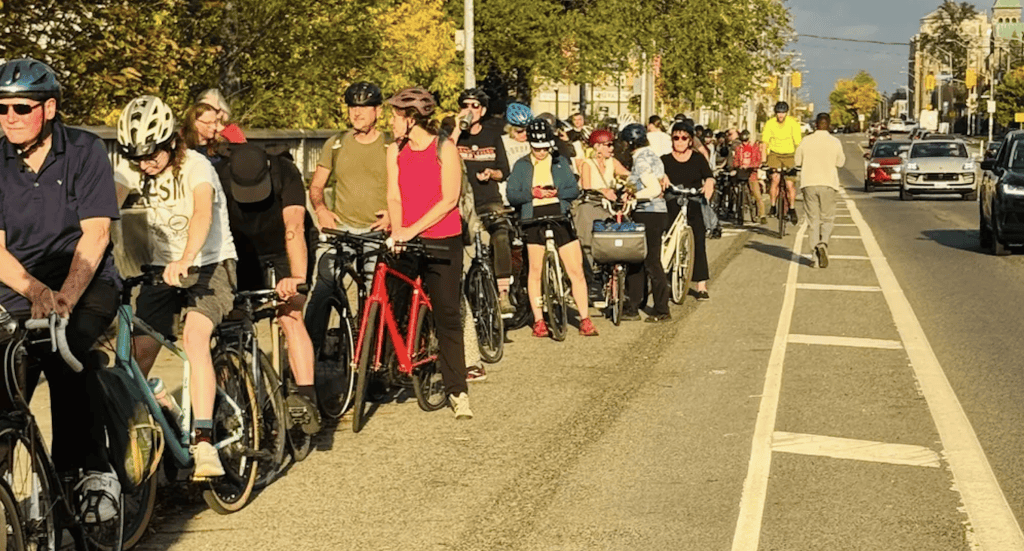
Photo: Emily Barney/Flickr
I’ve been conducting a commuting audit for a local organization. Currently, this organization offers free parking passes for all of their employees. As a result, all of these employees park downtown.
Given the economic times, this organization is looking at ways to cut costs, and providing $130/month for each employee for a parking space is starting to look like a lot of money.
So that’s where I come in. I’ve been chatting with each staff member and asking them what other options might work for them. Pretty much every staff member knows what his/her options are, from using the Park & Ride Lots to biking to work to carpooling to telecommuting. And it’s clear to me that if this organization stopped paying for parking, many of the staff would use one of those other options rather than pay for parking themselves.
Here is a case where a stick would work to change behavior. We saw the same thing with gas prices. No one likes to lose something, especially when it feels like a pay cut. And for some staff it is just easier to park at a park and ride everyday and take the bus to work than others. If that’s the case, should everyone get the same stick, or only some people?
At the same time, the getDowntown Program offers lots of carrots to try to get people to change their commuting behavior. We have a huge carrot known as the go!pass, that gives employees unlimited rides on the buses, including to park and ride lots in addition to other incentives. But those carrots only work if there isn’t also a chocolate cupcake (such as employer paid parking) on the plate. In addition, our carrots are only as effective as the bus service, or the bike lanes. If the buses don’t run frequently enough or the bike lanes are poorly maintained, our carrot becomes less and less appealing.
The reason I am troubled by all of this is that people see sticks as bad. Our society sees restrictions as bad. We are all about freedom of choice. I think that’s why carrots are so appealing. But my carrot will only work if there isn’t a better incentive out there.
We’d like to hear about how other communities are handling the mixture of incentives and disincentives. Any other creative solutions out there?
More from around the network: The Dirt looks at the economic value of parks. The Infrastructurist examines Portland’s McMansion-style bridge proposal. And The Political Environment rips into Milwaukee’s massive Zoo Interchange highway expansion project.

Read More:
Streetsblog has migrated to a new comment system. New commenters can register directly in the comments section of any article. Returning commenters: your previous comments and display name have been preserved, but you'll need to reclaim your account by clicking "Forgot your password?" on the sign-in form, entering your email, and following the verification link to set a new password — this is required because passwords could not be carried over during the migration. For questions, contact tips@streetsblog.org.