Speaker Omoyele Sowore: The Impacts of Oil Exploration on Human Rights

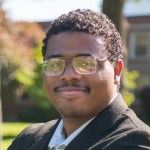
Sowore Omoyele has been detained many times in Nigeria’s long struggle for democracy. His career of resistance began in 1989, when he took part in student demonstrations protesting the conditions of an International Monetary Fund loan of $120 million for Nigeria. In 1992 at University of Lagos, he led 2,000 students in protest against Nigeria’s notorious kleptocracy. Police opened fire, killing seven. Sowore — arrested, interrogated and beaten — refused to back down in his struggle for decent education in his country. He’s been imprisoned eight times and tortured, but he remains committed.
“We’ve had supposed democracy for six and a half years and people still can’t eat,” he says. “Who has benefited? There’s no basic health care. We don’t have running water. We don’t have electricity, no basic education. … Shell and Chevron are among the biggest corporations in the world and they have benefited only a few people, the clique that runs the country. The Niger Delta area is polluted, occupied and heavily militarized. People get killed on behalf of the major oil companies everyday, that cannot be right.”

Read More:
Streetsblog has migrated to a new comment system. New commenters can register directly in the comments section of any article. Returning commenters: your previous comments and display name have been preserved, but you'll need to reclaim your account by clicking "Forgot your password?" on the sign-in form, entering your email, and following the verification link to set a new password — this is required because passwords could not be carried over during the migration. For questions, contact tips@streetsblog.org.