Jersey City Counted Its Cars. Other Cash-Strapped Cities Should, Too
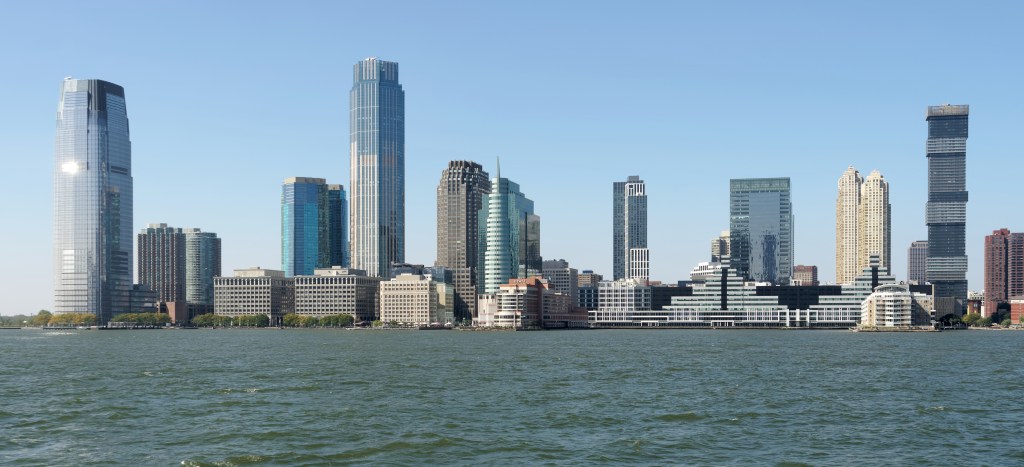
Jersey City audited its 1,276-vehicle municipal fleet for the first time, cutting 70 cars and more than 40 percent of its take-home vehicles, a strategy that experts say would help cash-strapped cities like Albany and New York.
The count turned up 88 employees driving city cars home and roughly $400,000 spent on 10 scooters that sat unused in a city lot, according to the city. Mayor James Solomon is responding by auctioning off 40 vehicles and stripping 30 nonfunctional ones for parts. Take-home cars fell from 88 to 52, with 49 of the remaining vehicles assigned to public safety.
Solomon said municipal fleet management tends to be on autopilot.
“A lot of what happens in city government is you just do things because that’s the way they’ve been done,” he said.
The overhaul is aimed at safety as much as savings, with the city’s deficit cresting $50 million. A new policy limits take-home vehicles to emergency responders, requires re-authorization every 12 months, and orders monthly reviews of fuel use, mileage and crashes. Every driver must complete Vision Zero defensive driving training. A citywide geofence now alerts the driver and the department director when a vehicle without take-home approval leaves Jersey City, and the driver has one business day to explain why (20 vehicles had been found in the audit to lack proper geofencing, and those have been repaired).
A new committee, made up of officials from the offices of finance, law, human resources and risk management, will approve vehicle assignments and purchases and review every crash involving a city vehicle to decide whether it was preventable. Drivers can be referred for retraining, and repeat preventable crashes bring escalating consequences.
The city had no way to spot patterns before now, Solomon said. Some police officers and firefighters had been in multiple crashes without anyone flagging them, and he doesn’t believe defensive driving training is standard among cities. The audit, conducted by the Department of Public Works, did not uncover a major scandal, he said, but the administration had heard allegations that city cars were being taken home or used improperly.
Solomon estimated that auction proceeds, avoided purchases and lower fuel costs will add up to a couple hundred thousand dollars, all of it going toward the city’s budget deficit. The city has not published a figure and plans to measure fuel use over the next 90 days.
The measures arrive as Solomon, who took office in January, pushes a broader street safety agenda. He recommitted the city to Vision Zero and revived a police traffic enforcement unit days after taking office, and this month the city announced new safety measures at 17 high-crash intersections.
A template for Albany
Albany has its own hole to fill. Mayor Dorcey Applyrs has proposed a 15-percent property tax levy increase projected to raise about $9.6 million, along with a new half-percent city sales tax, to help close a 2027 deficit of roughly $35 million. Property taxes are the main revenue lever cities control, Sam Fein, Albany’s chief city auditor, said, and the sales tax would need approval from the state Legislature.
Fleet management is a likely source of savings, Fein said, and he would like to look into it. Municipal fleets can be money drains, especially if a city has an unnecessarily large fleet, cars are used for personal errands or vehicles kept longer than is cost-effective. Selling surplus cars brings in cash quickly, while a leaner fleet saves money every year after.
Fein said he doesn’t know whether take-home cars are a problem in Albany. “That’s why you do an audit,” he said. But the scale of savings is more obvious.
A sum like $400,000 would be less significant in New York City, but it adds up if Albany finds that much in several places. By Streetsblog’s math, $400,000 equals about 4 percent of what the proposed levy increase would raise.
Safety, fairness and liability
Good-government advocates see benefits beyond the bottom line. Rachael Fauss, senior policy adviser at Reinvent Albany, said smaller fleets support climate goals and save money. Additionally, cities should justify every take-home car.
“There should be a stated rationale for the vehicle, not just have it be a perk of the job,” Fauss said. A safety threat or equipment that can’t travel any other way would qualify, in her view. More vehicles on the road also means more exposure to lawsuits after crashes because the municipality can be liable.
Andrew Rein, president of the Citizens Budget Commission, agreed that every local government should examine its fleet. Departments often buy vehicles piecemeal without checking whether another department’s cars could cover the need, he said, which makes sharing across agencies an obvious place to look. Some fleets are plainly necessary, he added, citing the vans that carried pest-control workers when he worked at New York City’s health department.
Anyone walking around the city sees cars parked all the time, he said, and should ask, “Do we need this many if we could allocate them better?”
Live from New York
New York City’s own record shows how easy it is to let fleets and perks grow. Streetsblog reported in 2019 that the city’s fleet grew 19 percent under former Mayor Bill de Blasio. At the time, 3,411 city employees could take vehicles home. Under Mayor Mamdani, 52 officials have a full-time car and driver, according to City & State, and only a handful of city officials, including the mayor, speaker, comptroller and police commissioner, have police details that supply a safety rationale.
Last week, Streetsblog reported that the Mamdani administration plans to add more speed-control devices to city-owned cars.
Back in Jersey City, Solomon said he doesn’t expect pushback from the city’s unions because the new rules are common sense.
“You should only have a take-home vehicle if you know it’s really required,” he said.