City Comptroller Urges Mamdani to Cut ‘School Streets’ Red Tape
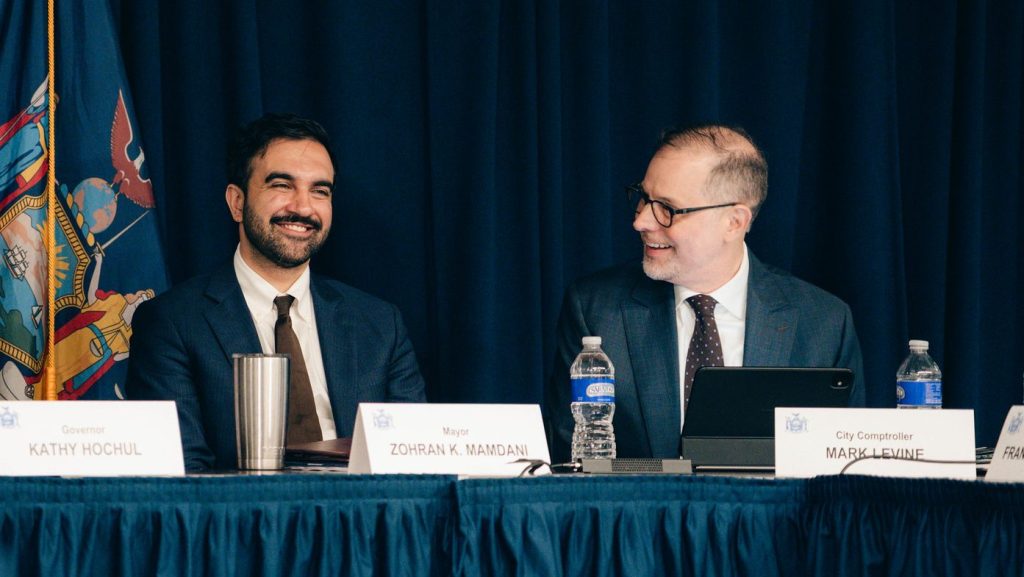
The city needs to make it easier for schools to close their adjacent streets to provide room for outdoor play and physical education, Comptroller Mark Levine said Thursday.
Just 48 of the city’s 1,619 public schools participated in the School Streets program during the 2025-2026 school year — while nearly a quarter of New York public school students attend a school without any outdoor educational space, Levine said in a new report.
“School Streets are a simple, low-cost solution to expand outdoor space, and we should make it as easy as possible for principals, parents and school staff to take advantage of it if they want,” the comptroller said in a statement.
Created in the first year of the pandemic, the program allows schools to close their adjacent streets to car traffic to provide students space for outdoor recreation. Ninety-three percent of city schools abut a street that would qualify for the program, the comptroller’s office said.
But launching a School Street is easier said than done, Levine’s report said. The lengthy and complicated application process puts the burden of coordination on school principals, and required plans for siting, staffing and community outreach as well as letter of support. The Department of Transportation can take up to 90 days to review an application, further delaying implementation.
For a school principals already juggling instruction, daily operations and staff, the process is a major roadblock, Levine’s team said. And school administrators and staff consulted for the report reporting first hearing about the program through word-of-mouth — a sign that DOT and New York City Public Schools aren’t doing enough outreach, the report said.
To rectify that, Levine’s team called on DOT and NYC Public Schools to relieve school principals of the program’s current administrative burdens and Schools to designate “School Street liaisons” to assist in communications between schools and city government.
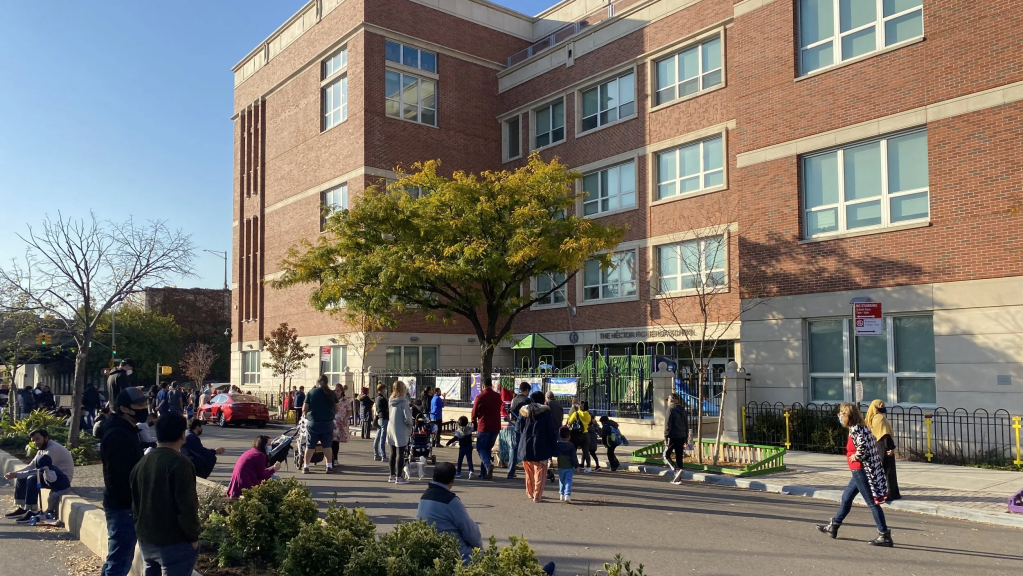
The city must also update its School Streets implementation manual, which is currently just three pages long and full of outdated information, the report said.
Mona Bruno, a spokeswoman for DOT, said the agency is reviewing Levine’s findings and recommendations.
“New York City has a proud history of opening its streets so children can safely learn and to play,” Bruno said in a statement.
School Streets could play a big role in helping students fulfill their daily required physical activity. Fourteen percent of city public school students do not have required time for physical activity during the school day, according to Board of Education data.
Levine’s team identified priority locations for School Streets across all five boroughs based on eligibility and need:
Advocates praised the comptroller for taking interest in the program.
“We’re grateful that Comptroller Levine recognizes the importance of School Streets and the need to expand them rapidly and equitably across all five boroughs,” said Sabina Sethi Unni of Open Plans, the public space non-profit that shares a parent organization with Streetsblog.
“This program is a critical part of making New York’s roads safer for everyone while improving our children’s quality of life,” Sethi Unni said. “Students shouldn’t have to worry about their physical safety when heading to and from school, or while they’re trying to play outside.”

Read More:
Streetsblog has migrated to a new comment system. New commenters can register directly in the comments section of any article. Returning commenters: your previous comments and display name have been preserved, but you'll need to reclaim your account by clicking "Forgot your password?" on the sign-in form, entering your email, and following the verification link to set a new password — this is required because passwords could not be carried over during the migration. For questions, contact tips@streetsblog.org.