Janno Lieber Op-Ed: Hochul’s Insurance Plan Is a Pro-Transit Plan
Editor’s note: Streetsblog has been laser-focused on covering Gov. Hochul’s plan to reduce car insurance rates, which our reporting has shown may leave some crash victims unable to be fully compensated for their injuries. But the MTA, which is frequently the target of lawsuits from crashes, strongly supports the plan. Here’s why:
Gov. Hochul has put together one of the strongest pro-transit records in New York history.
Regular Streetsblog readers know all the hits by heart: bringing the MTA back from the fiscal cliff; standing tall on congestion pricing in the face of federal threats; fully funding our five-year Capital Plan, the biggest investment in State of Good Repair ever made.
This year, she’s taking on another pro-transit fight. She’s demanding a package of reforms to lower New York’s auto insurance rates, which are some of the highest in the country.
It’s easy enough to see why urbanists and public transit enthusiasts — I’m both — would wonder what this idea means for them. Streetsblog’s reporting has gone even farther, denouncing the reforms and pitting the governor’s affordability and public transit agendas against each other.
We need to think bigger than that. Auto insurance reform is not as splashy as passing a capital plan or winning a staredown with the White House. But if you care about public transit, then this fight is for you. These reforms can’t come soon enough.
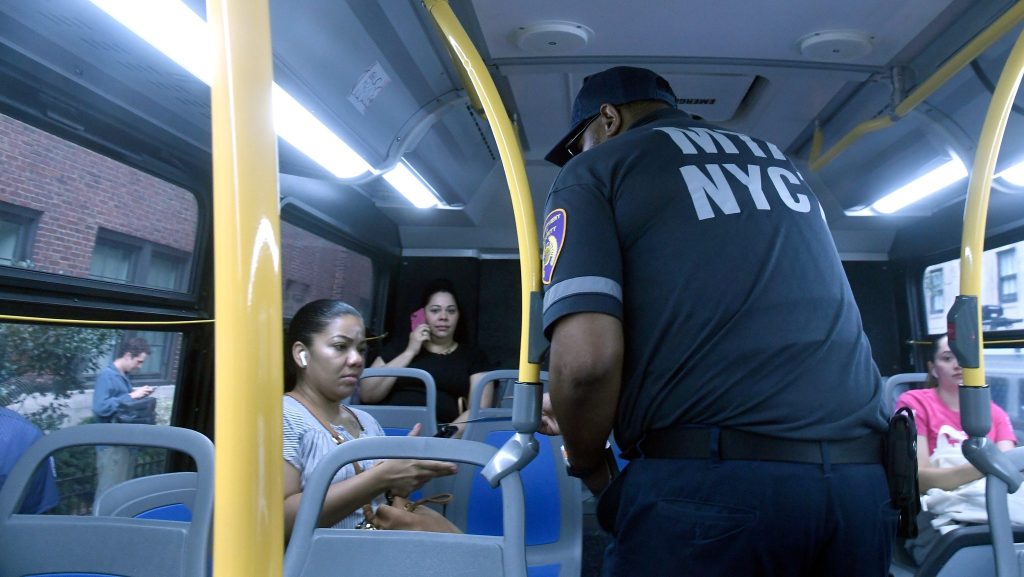
The MTA operates the largest fleet of buses and service vehicles in the nation. Our buses, cars and trucks are everywhere you look on New York City streets. And they’re sitting ducks in a system designed to prey on them.
When car crashes produce lawsuits involving multiple defendants, state law allows plaintiffs to recover nearly 100 percent of the damages from any of them — even one who is 1 percent at fault for the crash itself.
This is different from the principles that apply in any other type of negligence case, and injury attorneys have this rule memorized. It means they don’t have to go looking for whichever defendant was most at fault for a crash. They look for the one with the deepest pockets. Often, that’s the MTA.
Here’s what that looks like in practice. Imagine a car speeding through a stop sign at 50 mph. It causes a crash with our bus and strikes two pedestrians. The jury found the driver’s car more than 90 percent responsible for the injuries to the pedestrians. The MTA bus’s legal responsibility was in the single digits. [Editor’s note: Streetsblog confirmed that the case above is real and not just an illustrative example.]
Current law allows the plaintiff’s attorneys to win incredible sums in damages, far more than even a well-resourced individual can pay. Once they chip in whatever they can, the plaintiffs can come to the MTA to demand the rest — not because we’re the ones at fault, but because we’re the ones whose checks will clear.
Cases like that come in droves. The costs to our system are meaningful. Between frequent monetary payouts and the constant threat of more to come, we’re forced to keep vast sums of money in reserve.
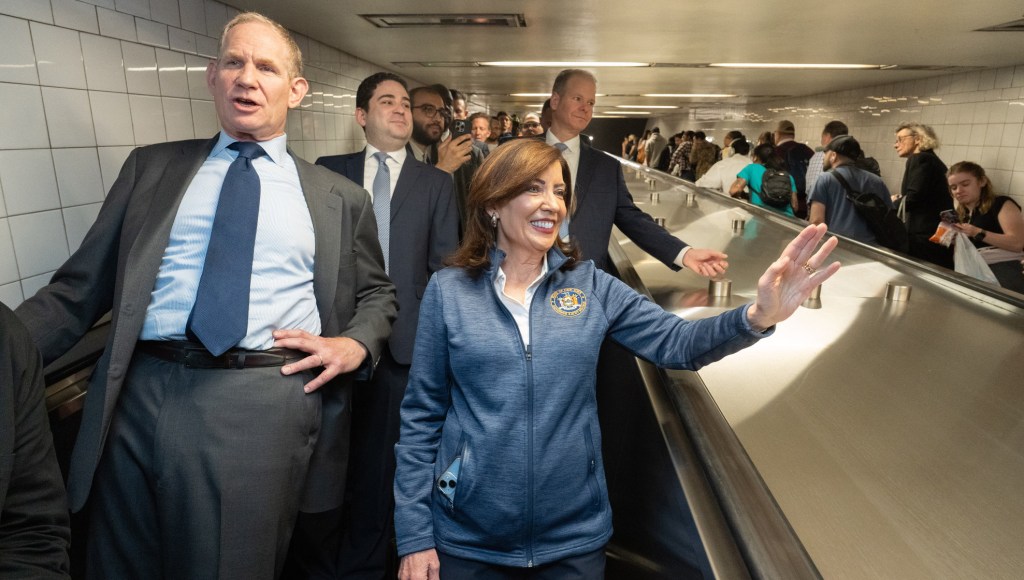
Last month, I stood with the governor at a bus depot in Harlem and said her reforms would save us $48 million a year. We’d pay out fewer cases that weren’t our fault and keep smaller, more reasonable reserves. Transit systems across the state — in Syracuse, Rochester, Buffalo, and anywhere with a bus network — would find their own savings. They’re as excited about these reforms as I am. So is anyone who sets budgets for sanitation trucks or first responders like police and EMS, all of whom are big targets for this same racket.
I hate the sight of that money sitting in the bank, waiting for a lawyer to claim it by blaming a hardworking bus driver for a crash that wasn’t her fault.
That money should be going into service. It should be funding our buses, subways, railroads, bridges and tunnels—not propping up a system that thrives on bogus lawsuits.
The governor’s got the MTA’s back in this fight. And if you care about fast, frequent, and reliable public transit service, I hope you’ll have hers.

Read More:
Streetsblog has migrated to a new comment system. New commenters can register directly in the comments section of any article. Returning commenters: your previous comments and display name have been preserved, but you'll need to reclaim your account by clicking "Forgot your password?" on the sign-in form, entering your email, and following the verification link to set a new password — this is required because passwords could not be carried over during the migration. For questions, contact tips@streetsblog.org.