POINT: New Yorkers Need the Delivery Protection Act — Now
The New York City Council is once again considering the passage of the Delivery Protection Act, which would regulate last-mile delivery companies that contract with online retailers like Amazon. Streetsblog covered the last legislative push in December.
For the past three years, I’ve delivered packages across New York City in an Amazon van. I’ve seen almost every corner of this city. I’ve also seen something disturbing: Amazon’s distribution network, a system that pushes drivers to their breaking point while costing New Yorkers.
That’s why New York City needs to pass the Delivery Protection Act into law. The legislation is authored by Council Member Tiffany Cabán (D-Astoria) and co-sponsored by a majority of her colleagues — including Council Speaker Julie Menin (D-Upper East Side). The bill is popular because it’s the best way for our city to finally hold Amazon accountable.
Most New Yorkers will be shocked to learn that, according to Amazon, there is no such thing as an Amazon driver. While Amazon dictates everything we do — from the routes we drive to the uniforms we wear — the company hides behind its subcontractors called “Delivery Service Partners,” or DSPs.
DSPs are not true small businesses. They exercise almost no control over their own operations, because their true purpose is to serve as shell companies Amazon uses to dodge responsibility and legal liability. If we ask for raises, our DSP will tell us that Amazon won’t allow it. But when my co-workers and I organized with the Teamsters Union to secure raises, Amazon refused to bargain a contract with us because they claimed we work for the DSP.
It’s no wonder we’re so severely underpaid: after working for Amazon for three years, I still make less than $25 an hour.
The Delivery Protection Act would force a change, reining in the abusive “DSP” model by requiring this trillion-dollar corporation to directly employ the workers who generate its massive profits. Amazon will no longer be able to pretend it’s not an employer whenever circumstances deem that convenient.
Many of my co-workers have to work second jobs just to survive but then go without health insurance because the monthly premium costs almost as much as an entire week’s paycheck. This is horrifying considering the safety hazards we face. We race to meet unreasonable quotas and do all of this regardless of weather. Drivers regularly skip breaks and are pushed to the point of exhaustion.
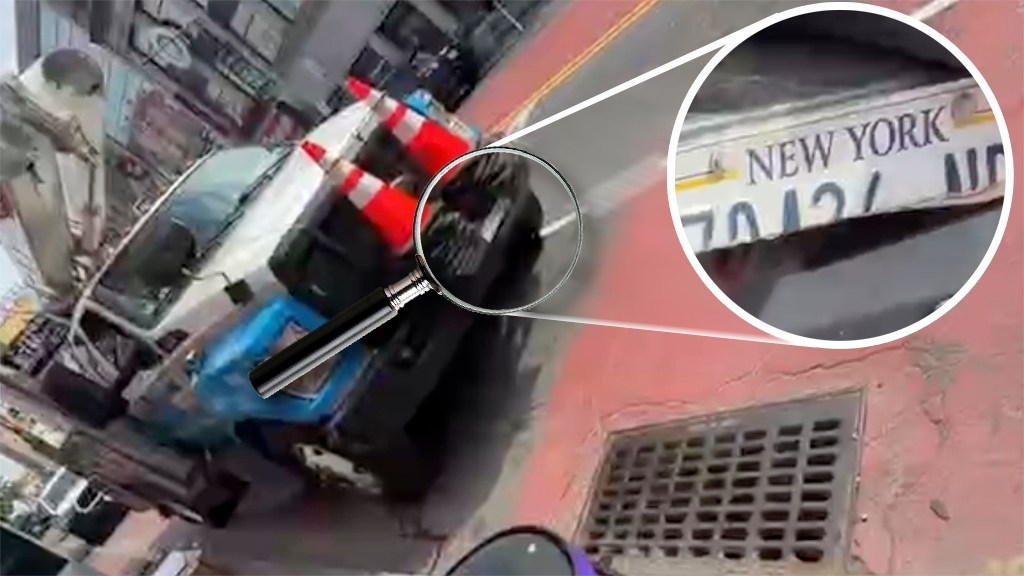
In no small part this is because whenever a driver falls short of Amazon’s unreasonable expectations, the company reprimands us by cutting our hours. We go through all of this in vehicles with bald tires, broken safety mirrors, malfunctioning cameras and other maintenance issues. The end result is the endangerment of both drivers and the communities where last-mile facilities are located.
It’s no surprise that safety incidents are skyrocketing in neighborhoods around delivery stations and workers are bearing the brunt. In New York City alone, workers in our industry have been injured over 2,000 times in the last three years.
Fortunately, the Delivery Protection Act could reduce workplace injuries by requiring increased transparency around delivery quotas and limiting them, so they don’t interfere with safety regulations or legally required breaks. Workers would also be entitled to independent training on safety and their rights.
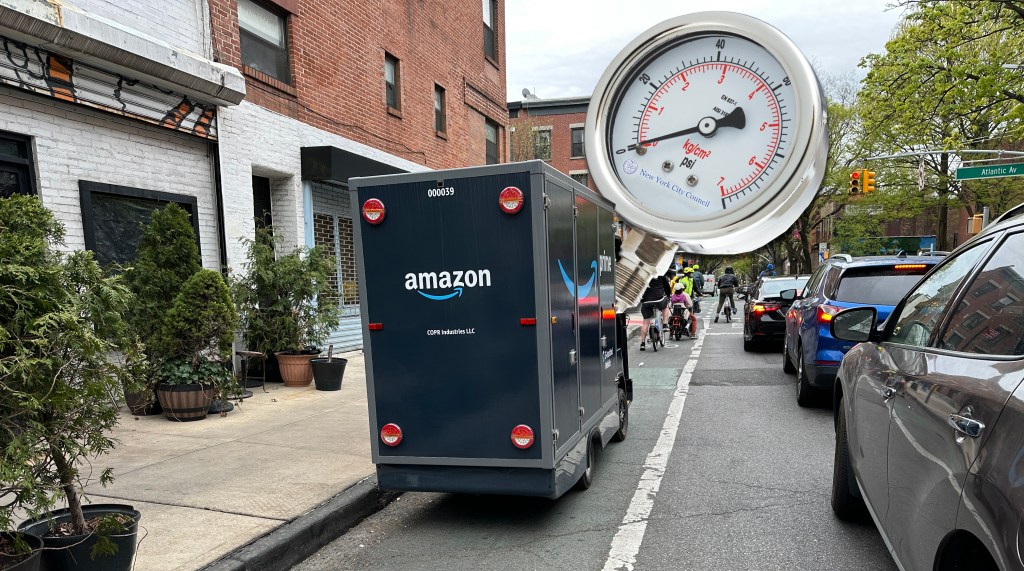
The impact goes far beyond us. The endless churn of underpaid drivers creates congestion, pollution, and wear on city streets. Amazon builds most of its warehouses in Black and Latino neighborhoods, bringing more traffic and exhaust to these already overburdened communities. For this reason, the Delivery Protection Act would require last-mile warehouses to be licensed and disclose violations.
When Amazon pays poverty wages to juice their bottom line, it pushes workers to rely on public assistance. In a city built by organized labor, Amazon undermines good union jobs at UPS, USPS and DHL. Careers like these are what lifted neighborhoods in all five boroughs into the middle class.
Every New Yorker deserves fair pay, real health care, and the right to go home safely. Our city must reject Amazon’s race to the bottom and protect good union jobs. Most of the candidates who won big in last year’s elections did so because they ran on a vision of our city that is more affordable and fairer to workers like us. The Delivery Protection Act goes a long way towards fulfilling those campaign promises and making that platform a reality.

Read More:
Streetsblog has migrated to a new comment system. New commenters can register directly in the comments section of any article. Returning commenters: your previous comments and display name have been preserved, but you'll need to reclaim your account by clicking "Forgot your password?" on the sign-in form, entering your email, and following the verification link to set a new password — this is required because passwords could not be carried over during the migration. For questions, contact tips@streetsblog.org.