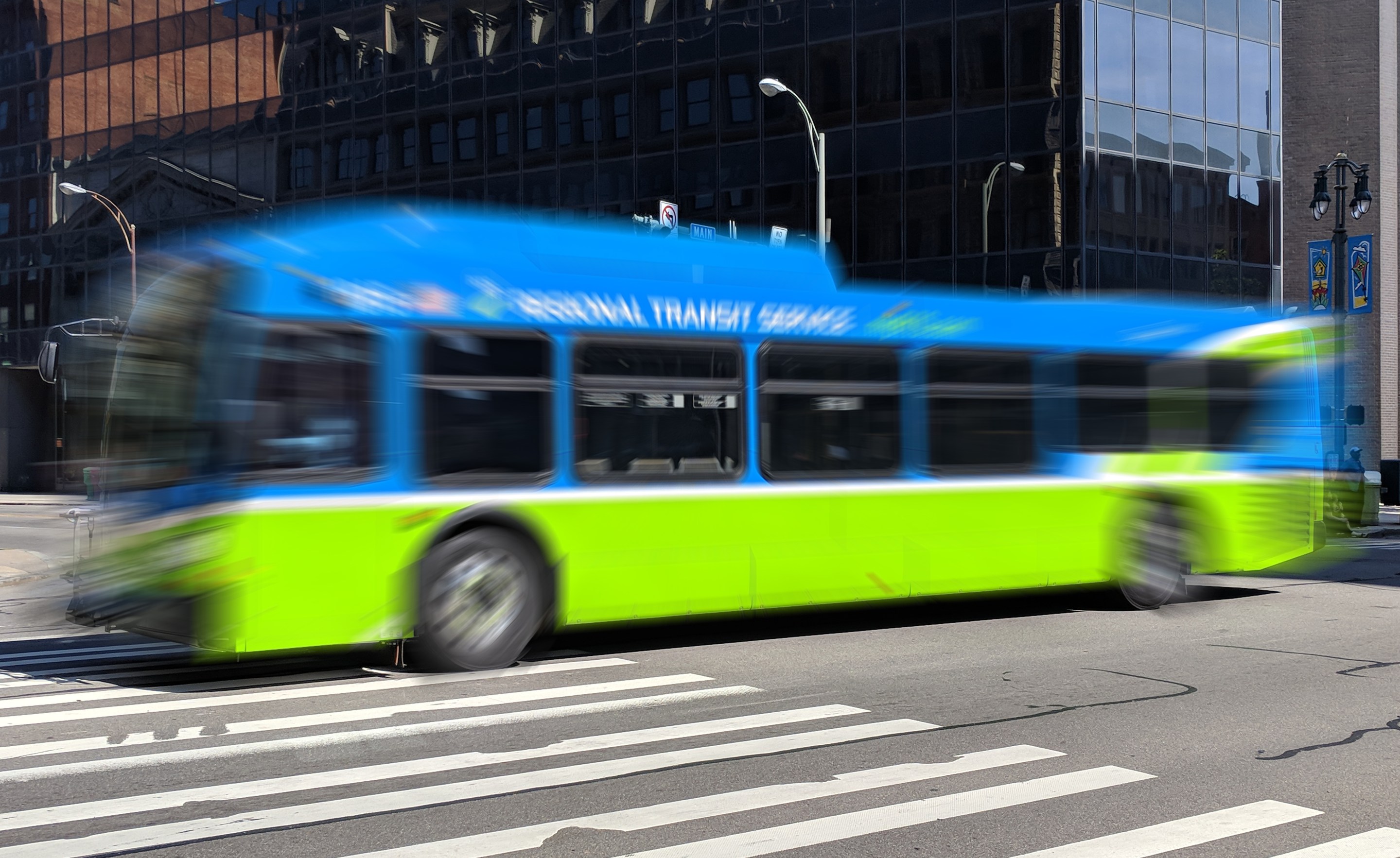
The state must invest more in upstate transit systems because the current funding shortfall is hurting cities where transit use is growing while inhibiting growth in areas that are struggling to get their systems fully back from the pandemic, advocates and some electeds agree.
The state government allocates transit funding to municipalities under the State Operating Assistance program, which receives dedicated funding through such things as the petroleum business tax or state car registration fees. Alas, that funding has lagged; in the last budget cycle, advocates sought a 15-percent hike, but got just a 3.4-percent increase, bringing total State Operating Assistance funding to $344 million for upstate transit.
Assembly Transportation Chairman Bill Magnarelli (D-Syracuse) said the state needed to do more, especially if it is going to keep pace with economic growth and climate goals in the coming years. ("More," of course, is a relative term; Magnarelli had sought a 7-percent increase in the so-called StOA funding in the last budget cycle.)
“We have to switch over to non-fossil fuels in the relatively near future [and] that puts more pressure on the Upstate [transit] systems as well,” Magnarelli told Streetsblog. “The idea of mass transit becoming even more important with new businesses and entities moving into the upstate area, including our area Central New York, with Micron [a chip maker], only exacerbates this whole problem that the need for mass transit is definitely there.”
The Rochester-Genesee Regional Transportation Authority, is among the transit systems calling for more state assistance. It faces a ballooning operating deficit and the possibility of reducing some services without more help.
“Our system is facing fiscal challenges, structural fiscal challenges, and by not keeping pace with the expense of the basic expenses of operating the system, it's almost like you're cutting the system,” saidCody Donahue, co-executive director at Reconnecting Rochester.
Donahue said Rochester’s transit ridership never recovered post-pandemic — ridership is at about 80 percent of pre-Covid numbers — and its responsibilities to transport children to school put it in a tough position operationally.
Meanwhile, the Capital District Transportation Authority in the Albany region has the opposite problem: its popularity means that it needs more funding to keep pace. The capital region's transportation system was a “victim of its own success,” Capital District Transportation Authority CEO Frank Annicaro said, citing ridership that is 21 percent above of pre-pandemic levels.
With its mix of urban centers and highly rural areas, Annicaro said the agency may need to weigh service priorities if State Operating Assistance funding doesn’t keep pace.
To increase funding, Magnarelli said that lawmakers have considered expanding a state Department of Motor Vehicles registration surcharge, which usually only applied to cars in the MTA region, to all of upstate to increase the pool of money available.
Gov. Hochul may not approve; she has spent the fall telling everyone that there are no plans to increase taxes, on the wealthy or otherwise, even if it would fund affordability priorities like transit.
“I don't have the answer now, and I will not have until we get to our announcements in the state of the state and our agenda for the next session. But I'm excited,” Hochul said on Monday. "I've had some really good conversations with the incoming [Mamdani] administration, met with mayors across the state and other elected leaders about their priorities as well.”
Still, Magnarelli said he’s hoping that the surcharge proposal makes it into her executive budget proposal, even though it leaves the governor open to attacks and claims that she’s gone back on her word regarding taxes (A certain member of Congress representing the North Country would probably find it pretty convenient.)
“The bottom line is, when you increase a surcharge or you increase a licensing fee, somebody is going to call it just another name for a tax,” Magnarelli said. “But most people would understand that it's necessary to get a dedicated fund available for these transit companies so they know how much they're going to have to spend to expand their routes, etc, and to do the things that have to be done to make travel, especially in upstate New York, viable again.”