Want to Really Help Low-Income New Yorkers? Support Congestion Pricing
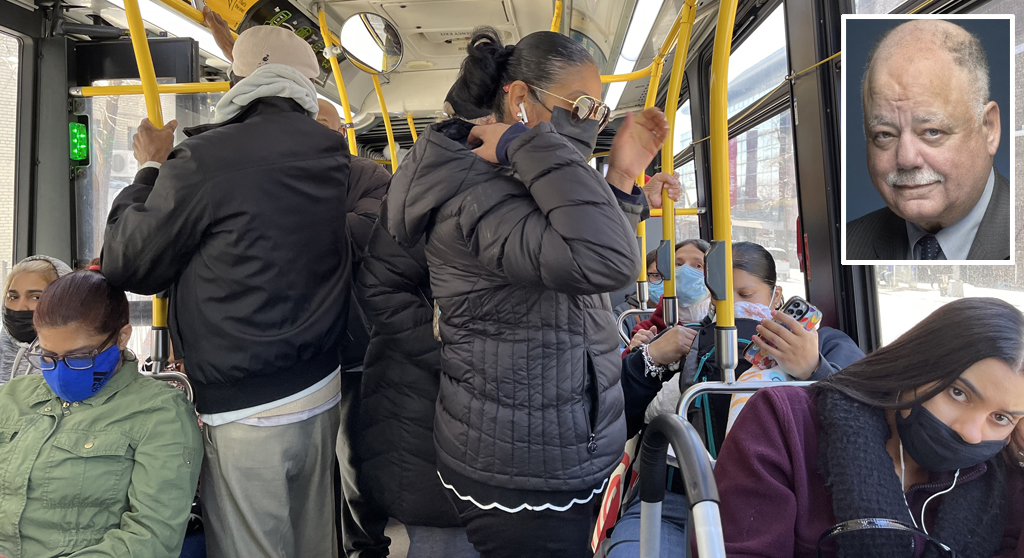
As the MTA holds public hearings prior to a final vote on congestion pricing, opponents will try to spread a false myth that the program hurts low-income people. As the President and CEO of the Community Service Society, an organization dedicated to promoting economic opportunity and equity across New York City and State, I know firsthand that almost all low-income New Yorkers rely on transit, not cars to travel into Manhattan.
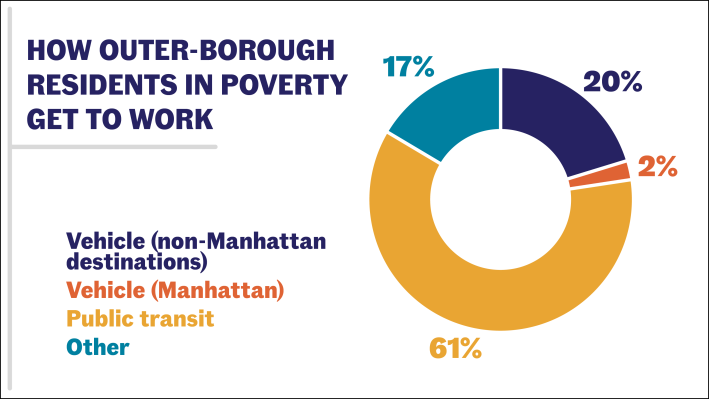
A CSS study found that only 2 percent of outer-borough working residents in poverty drive cars into the Central Business District, and most of them will qualify for a substantial toll discount under the proposed program. Low-income New Yorkers are not hurt by congestion pricing. In fact, they overwhelmingly stand to gain from congestion pricing’s benefits.
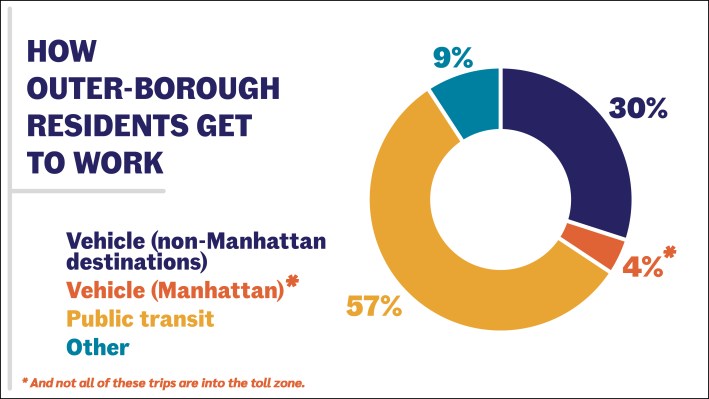
Five years ago, New Yorkers – especially low-income New Yorkers – received welcome news. The public transit system that the vast, vast majority of low-income New Yorkers rely on to get to work, take their children to school, and access everything from health care to recreation was going to receive significant upgrades. These upgrades, ranging from modern signals for better subway reliability and frequency to more elevators in subway stations, were to be funded by $15 billion raised through congestion pricing.
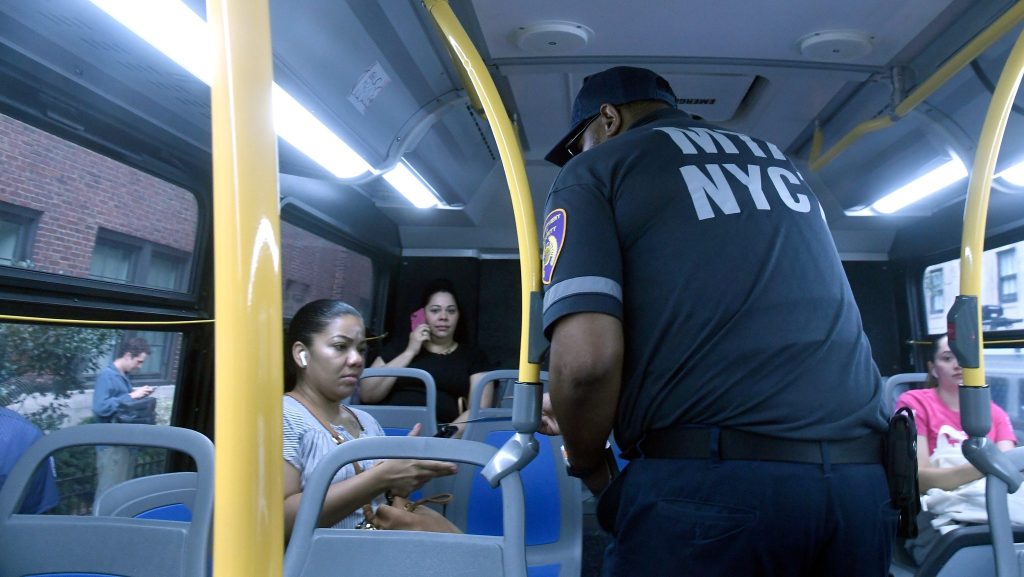
In short, those who choose to drive into Manhattan’s Central Business District would pay a toll – not only to reduce gridlock and air pollution in the nation’s most crowded city – but also to ensure that the region continues to invest in public transportation. Low-income New Yorkers disproportionally rely on trains and buses, and congestion pricing will go a long way to make their lives a little easier.
Now misguided elected officials, particularly from more affluent suburbs in New Jersey and New York, have filed frivolous lawsuits to stop congestion pricing and deny New Yorkers a vitally improved ride. Some of the suits allege that the federal government’s 4,000-plus-page, months-long study somehow did not adequately evaluate the program. A ridiculous assertion. While the lawsuits have no merit, they threaten to have a devastating effect – especially on low-income New Yorkers who rely on the system every day.
What’s at stake?
- ADA accessibility projects that make it easier for people in neighborhoods like Mott Haven, Crown Heights, Harlem, and Jamaica to take the subway, whether they have disabilities, are elderly, or are parents with strollers. Delayed.
- New signals to speed up subway travel for more than 1.5 million daily riders along the A, C, B, D, F, and M lines. These are riders who live in Bedford-Stuyvesant, Crown Heights, and other transit-dependent neighborhoods in Brooklyn. Delayed.
- New electric buses and bus depot electrification that will reduce harmful emissions in environmental justice communities where low-income, minority New Yorkers reside. Delayed.
- New trains that are not only more comfortable and have more capacity but are more reliable, meaning riders will experience fewer delays. Delayed.
It’s time that the MTA, New Jerseyans, and all New Yorkers hear the voices of millions of low-income residents. They need the increased accessibility, improved reliability, system-wide modernization, and environmental benefits that come from the vital program. New Yorkers in poverty can’t afford the status quo. These lawsuits delaying progress must be dismissed and the MTA must move swiftly to implement congestion pricing and give us the modern system we deserve.

Read More:
Streetsblog has migrated to a new comment system. New commenters can register directly in the comments section of any article. Returning commenters: your previous comments and display name have been preserved, but you'll need to reclaim your account by clicking "Forgot your password?" on the sign-in form, entering your email, and following the verification link to set a new password — this is required because passwords could not be carried over during the migration. For questions, contact tips@streetsblog.org.