CARS, CARS, CARS? Inside Biden’s Infrastructure Package
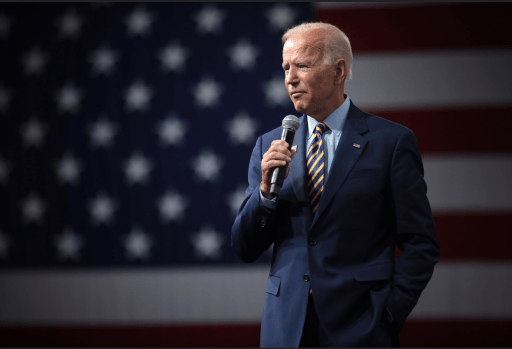
Sustainable transportation advocates are already questioning how much President Biden’s infrastructure package will transform our national addiction to cars — especially since hefty electric car incentives will hand drivers 75 percent more money than transit riders.
In a fact sheet released this morning, the White House outlined the major initiatives in Biden’s $2.25 trillion American Jobs Plan, a sweeping stimulus that is being likened to FDR’s New Deal. The package is not to be confused with the potentially more ambitious reauthorization bill coming when the 2015 Fixing America’s Surface Transportation Act expires in September, but the $621 billion it would invest into transit, roads, electric vehicles, and other transportation projects would undoubtedly affect on how Americans get around in the coming decade.
The plan commits a staggering $174 billion to electric-vehicle development, adoption and charging, $115 billion to repair roads and bridges (although, notably, no new construction), $85 billion to transit maintenance and expansion, and a historic $80 billion to inter-city rail that would quadruple funding for Amtrak, true to the president’s “Amtrak Joe” nickname.
A $20 billion program for vulnerable-road-user safety also made the cut, as did for another $20 billion program that would reconnect BIPOC neighborhoods sundered by highways. An unspecified amount of money will also be devoted to “an innovative new approach to eliminate state and local exclusionary zoning laws” that limit housing and commercial construction, which has important implications for walkability.
As expected, the package will be paid for by tax hikes on corporations and the wealthiest earners, with costs spread across eight years.
That all sounds good — but advocates have a few questions.
Question #1: Do we really need this much money for electric cars?
Biden promised an electric-vehicle revolution on the campaign trail, and he delivered on it in the American Jobs Plan: By far the largest part of the bill seeks to wean drivers off fossil fuels, with about $9 billion more dollars devoted to EVs than transit and intercity rail combined. Biden’s $174 billion bet would fortify just about every link in the supply chain from raw-material extraction to manufacturing worker training, while building 500,000 EV charging stations by 2030, retrofitting the electric grid, giving individual consumers sale rebates and tax incentives, and more.
No one doubts that vehicle electrification is a critical harm-reduction strategy in our fight to curb climate change. But some advocates are wondering why cars feature quite so heavily in the package, considering that shifting drivers onto shared and active modes is even more critical to saving the planet and ending traffic violence, even if the vehicles run on renewables.

Streetsblog has migrated to a new comment system. New commenters can register directly in the comments section of any article. Returning commenters: your previous comments and display name have been preserved, but you'll need to reclaim your account by clicking "Forgot your password?" on the sign-in form, entering your email, and following the verification link to set a new password — this is required because passwords could not be carried over during the migration. For questions, contact tips@streetsblog.org.