Trump, Being Trump, Blames Everyone But Himself For the 2020 Crash Spike
The Trump administration’s top roadway safety agency offered a final kiss-off to America by blaming drivers for killing each other so much last year — with zero acknowledgement of the administration’s own failures to implement life-saving policies that would have actually slowed them down or gotten them onto safer modes.
The National Highway Safety Administration’s (likely final) press release on Thursday alluded to a stunning 4.6-percent spike in car crash fatalities between the the first three quarters of 2019 and the same period in 2020 — then placed the blame squarely upon the bad judgment of individual drivers, rather than the systemic failures of agencies like NHTSA itself.
“Most fatal crashes are linked to risky behavior,” the agency wrote, citing a debunked myth that driver error is the only cause of most crashes. “If you fail to obey the speed limit, to wear your seat belt, and to drive sober, your risk for a crash, and a fatal one at that, goes up. … Please do not further burden [emergency medical responders] with your poor driving choices.”
The Administration is right, of course, that someone’s “poor driving choices” were at least one factor in virtually every car crash that claimed a human life in 2020. It just neglected to mention that those choices didn’t happen in a vacuum — they were made on roads that federal agencies have for decades engineered to privilege speedy driving at the expense of other, safer alternatives.
For instance, the agency did correctly cite speed as a key factor in the surge, noting that one report had found a horrifying “median 22-percent increase in speeds in select metropolitan areas” last year. But NHTSA made no mention of the role that our country’s most-common road designs — including straight, highway-style streets with ultra-wide lanes and few visual cues that might compel drivers to slow down or pay attention to their surroundings — are proven to encourage break-neck speeds, especially when roadways are not congested with traffic, as they were throughout most of last year.
“Speed kills, and we design our roadways primarily for speed,” said Beth Osborne, the director of Transportation for America, in a recent viral tweet. “When people follow the design, we blame them for the inevitable mistakes and crashes that result, calling for education and enforcement. … [It’s] better to build a road that makes it hard to speed than build one that tells people to speed and then educate and enforce them out of following the design cues.”
One area for which NHTSA may deserve even more censure than it received from advocates is in the realm of impaired driving prevention. In its letter, the agency chastised the public for an apparent surge in crashes involving drunk motorists, noting that “65 percent of drivers in trauma centers after a serious crash tested positive for drugs or alcohol” in 2020 — but neglected to mention that the Administration’s own New Car Assessment Program has failed to explore the requirement of basic impairment detection systems on all new vehicles, as European regulators are quickly moving to do.
NHTSA did issue a request for information on end-stage drunk driving prevention technology in November, but advocates say it’s still too little, too late.
“The agency should be taking major leaps … to require impairment detection systems in all new vehicles,” said Cathy Chase, president of the Advocates for Highway and Auto Safety. “With every passing day, lives are needlessly hanging in the balance.”
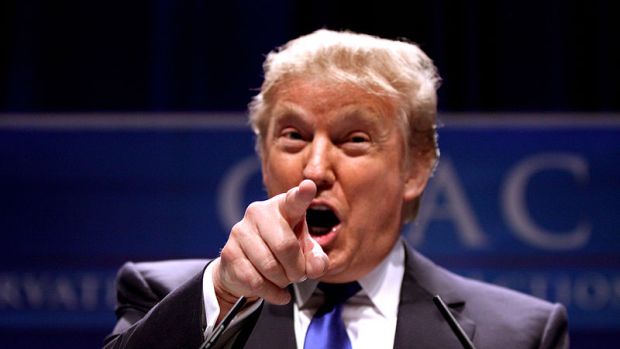
Of course, the National Highway Traffic Safety Administration is far from the first branch of the Trump administration to fail to perform its most basic duties to the safety of the American public, and then blame everyone but themselves for the deadly consequences that followed (heck, the president does that all the time). The only question is whether the next leaders of NHTSA will take their responsibilities to keep road users safe more seriously — and how they will accept accountability and work to do better when they fail.
NHTSA has not yet responded to a request for comment.

Read More:
Streetsblog has migrated to a new comment system. New commenters can register directly in the comments section of any article. Returning commenters: your previous comments and display name have been preserved, but you'll need to reclaim your account by clicking "Forgot your password?" on the sign-in form, entering your email, and following the verification link to set a new password — this is required because passwords could not be carried over during the migration. For questions, contact tips@streetsblog.org.