Op-Ed: When Self-Quarantine Is a Privilege
For the last two months, New York City has been facing the most challenging health crisis since the days of the Spanish flu at the beginning of the 20th century. Our government has had to rapidly adapt, making decisions that have life-and-death consequences for New Yorkers of all walks of life. And while we remain determined to fight an invisible enemy, the pandemic has further exposed the all too evident historical racial and economic inequalities that have exacerbated the rate at which low-income communities of color have contracted COVID-19.
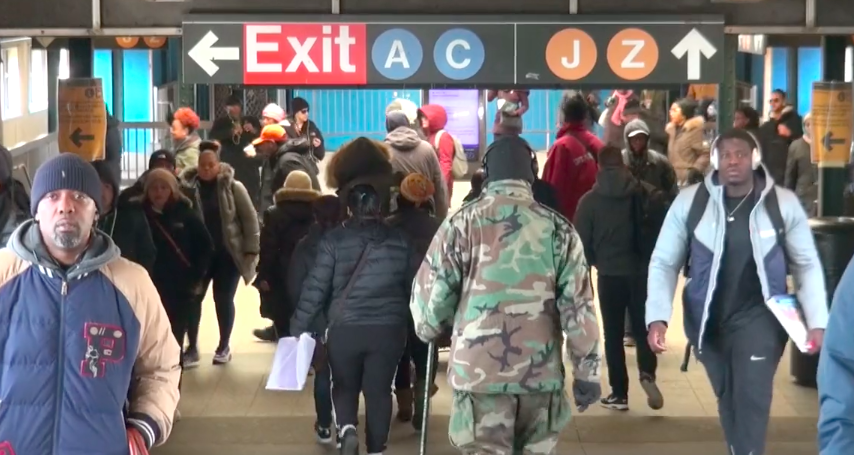
As the data has shown, underserved, immigrant communities, such as those of Northern Manhattan, the South Bronx, Jackson Heights, Elmhurst, and Corona, among others, which have experienced the highest rates of coronavirus infection, remain the most vulnerable owing to the disadvantages created by poor and hard living conditions. These neighborhoods are home to a large quantity of our essential workers and employees who cannot afford the luxury of “working from home” or taking consecutive days off to self-quarantine. These hard-working New Yorkers often commute to work using our public transportation system and deserve to receive the same care and attention as those that live in wealthier neighborhoods.
We must take a proactive approach to this unprecedented crisis and ensure that all the seriously affected communities receive the care and attention they need. This means establishing mass testing across the city for the novel coronavirus, increasing isolation capabilities for New Yorkers, supplying our essential workers with PPE equipment, and implementing effective physical distancing protocols within our public transportation system. The only defense we continue to have against this virus is prevention, diagnosis and self-isolation. If we continue to fail on these fronts, the pipeline to our hospitals ICU rooms will go on unabated.
Some of these recommendations have been partially put in place, but the initial delay and continued failure to fully implement them is made apparent with every daily report showing high rates of coronavirus in our low-income neighborhoods. I am not surprised. Those who live and experience the conditions of our low-income and immigrant communities know how this history always repeats itself. Communities severely affected by growing economic crisis, evictions, mounting debt, job loss, and community disinvestment are expected to suffer most under a health crisis such as this.
As an entire nation pays attention to our response to this pandemic and looks for guidance in our actions, we’ll be remembered for how effectively we addressed it, but also, for how fairly we treated our most vulnerable New Yorkers.
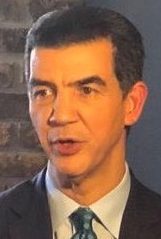
Ydanis Rodriguez represents Washington Heights, Inwood and Marble Hill. Follow him on Twitter at @ydanis.

Read More:
Streetsblog has migrated to a new comment system. New commenters can register directly in the comments section of any article. Returning commenters: your previous comments and display name have been preserved, but you'll need to reclaim your account by clicking "Forgot your password?" on the sign-in form, entering your email, and following the verification link to set a new password — this is required because passwords could not be carried over during the migration. For questions, contact tips@streetsblog.org.