Cyclists Down Under Say Oz Should Rethink Strict Helmet Law

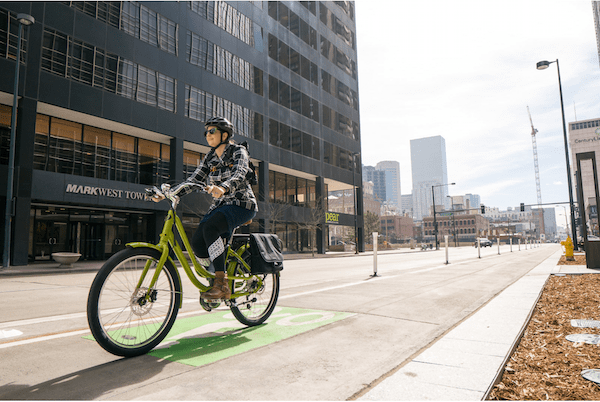
The world’s toughest helmet law isn’t working, says Australia’s largest bike advocacy organization.
Bicycle Network, a group representing 50,000 cyclists Down Under, is calling for the government to relax its strict helmet law for a five-year trial period. The group had been an early and enthusiastic supporter of the laws since they were introduced in every state in the early 1990s.
The announcement comes after the group did an academic review [PDF] that included a survey of thousands of Aussie cyclists and interviews with medical experts. A majority, just under 60 percent, of those surveyed believe Australia’s helmet laws — requiring a helmet for all adult riders in all situations — should be changed.
Medical experts, meanwhile, were split. Most agreed that helmets doprevent injuries if there is a crash, but added that the mandatory helmet law may be reducing the rates of cycling, which is itself a negative ramification of the law.
And, bottom line, the law isn’t saving lives.
“There has been no meaningful reduction in fatalities over the last 20 years,” the organization wrote in its study.
The organization, however, stopped short of saying the law should be eliminated altogether. Because Australia hasn’t enough progress in improving safety for cyclists on its streets, the group is recommending making helmets optional only for adults riding on trails or in bike lanes.
Meanwhile, Bicycle Network says Australia should apply the best practices from the field of risk management to help reduce cycling injuries and deaths. In that field, the first priority in a hazardous situation should be to eliminate the hazard (in this case that would be cars and trucks). Short of that, the wisdom from the field recommends, separating people from the hazard. Protective equipment for people — like helmets — should be the last line of defense, not the first. `

Bicycle Network notes that Australia’s laws are “out of step” with the rest of the world. New Zealand is the only other country that imposes a total ban on bike riding without a helmet in all situations for adults and enforces it strictly.

Read More:
Streetsblog has migrated to a new comment system. New commenters can register directly in the comments section of any article. Returning commenters: your previous comments and display name have been preserved, but you'll need to reclaim your account by clicking "Forgot your password?" on the sign-in form, entering your email, and following the verification link to set a new password — this is required because passwords could not be carried over during the migration. For questions, contact tips@streetsblog.org.