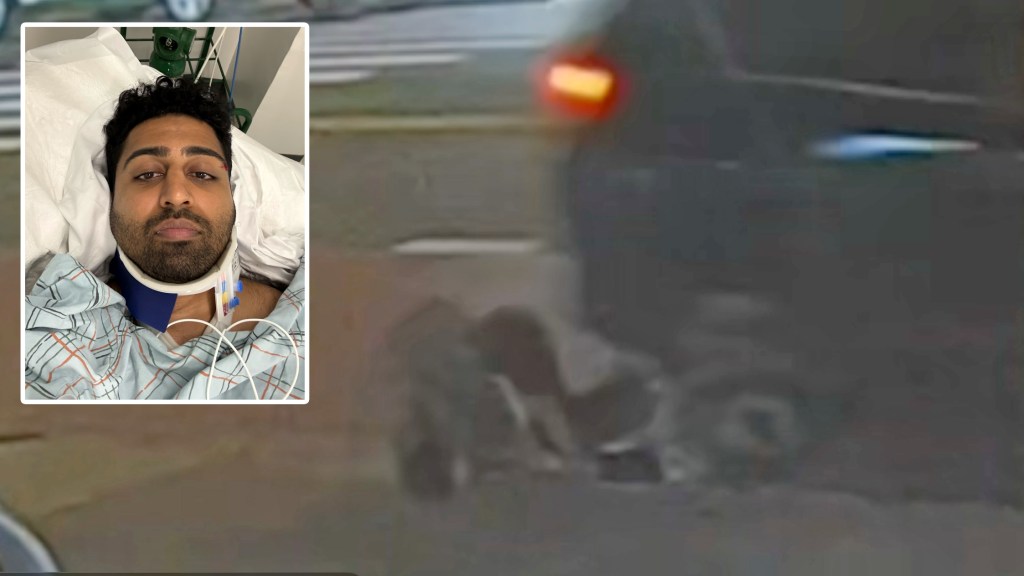
Eyes on the Street: DOT ‘Speed Cushions’ Let Drivers Race On
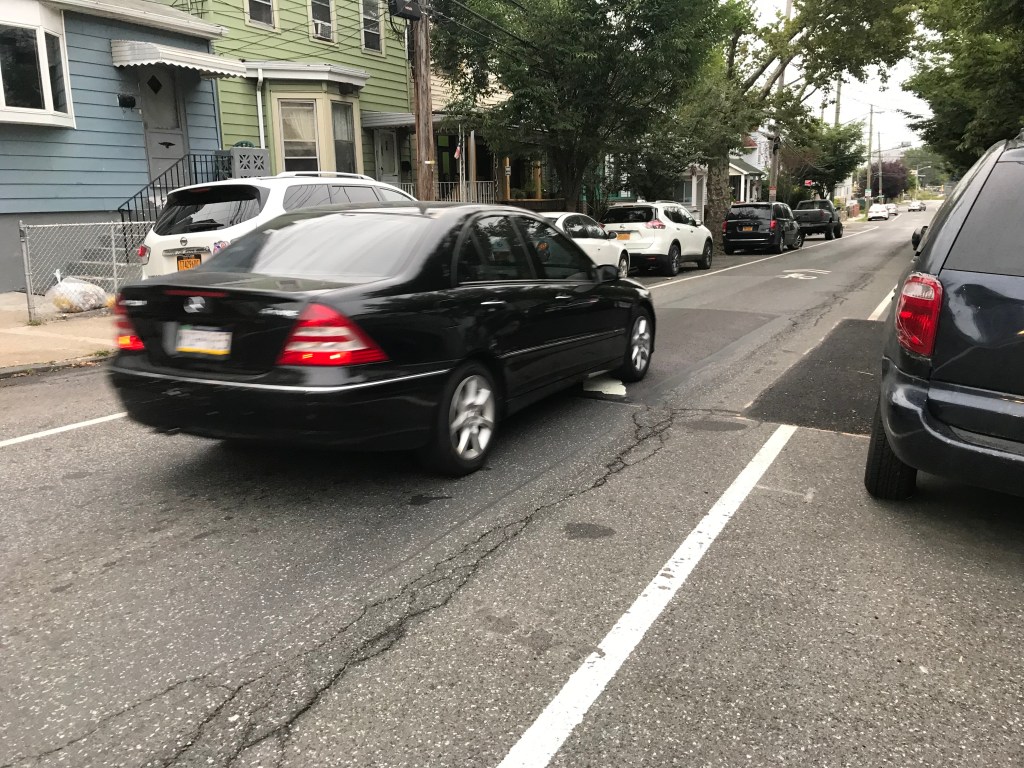
Did you hear the one about the speed bumps that don’t slow down drivers?
That’s not the setup to a joke. It’s the reality of a new road treatment called “speed cushions” that the DOT has been trying out on Staten Island for more than a month.
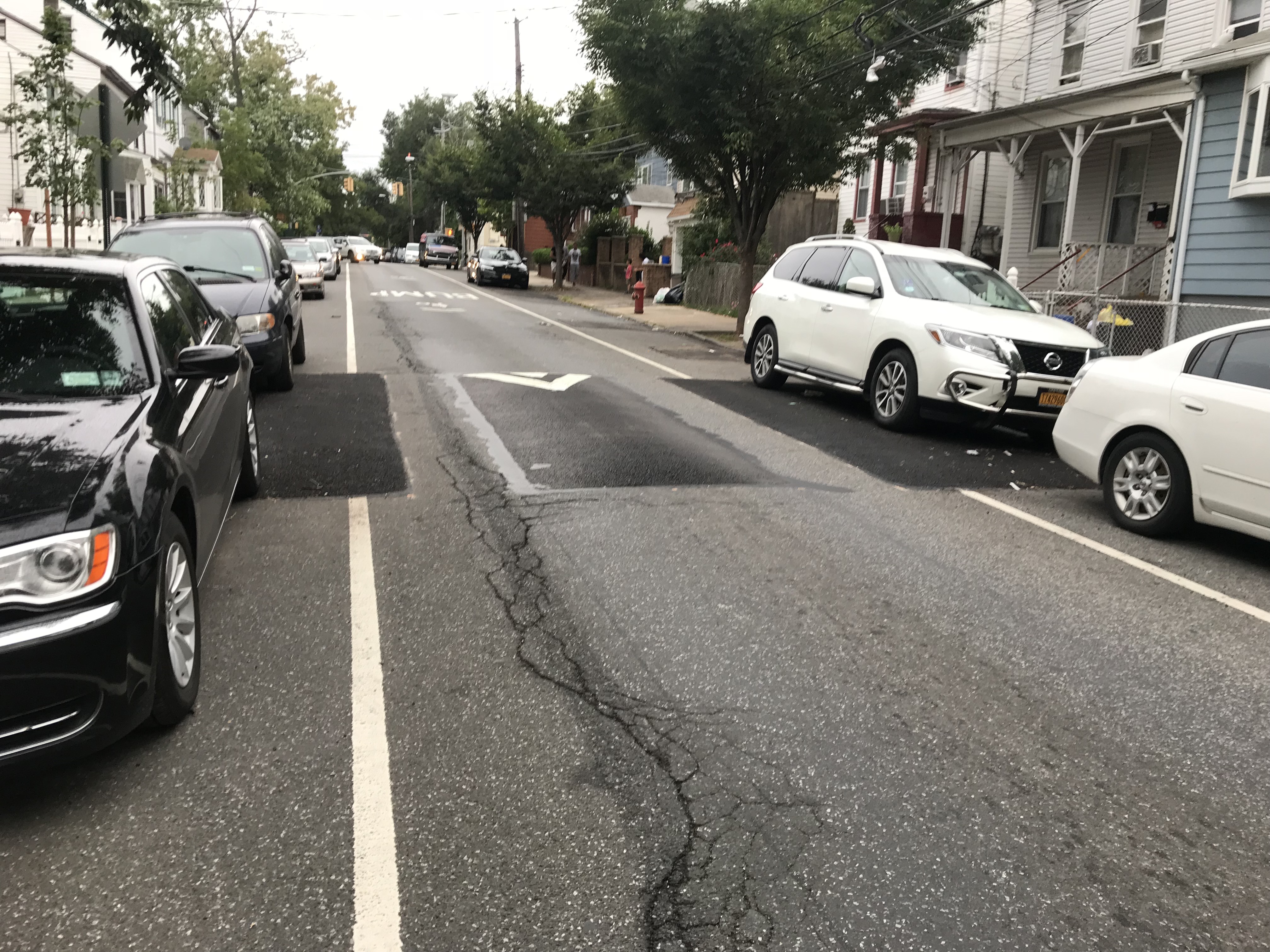
They’re speed bumps without the bump part. A typical speed cushion design features three raised portions with gaps between them. The gaps are supposed to be set wide enough that emergency vehicles can pass through without slowing down, according to the National Association of City Transportation Officials.
Judging by the speed cushion I saw on Van Duzer Street on the Rock over the weekend, every car is an emergency vehicle. For obvious reason, this particular speed cushion is not working as promised because the gaps on either side of the center bump are basically the width of a normal passenger car.
“There is no decrease in speed once people realize they can drive over them without slowing down,” said Staten Island resident Vince DiMiceli, who showed me the Van Duzer cushion because, as he told me, he simply couldn’t believe it.
Well, believe it. The DOT is convinced that these “speed cushions” — Jesus, even the name suggests a gentle, comforting experience for drivers — are working. In fact, more are on the way.
“This important speed calming measure will bring much needed relief to the corridor,” said agency spokeswoman Alana Morales. “Our initial analysis found speed had decreased by over 20% following installation. We will continue to monitor … the effectiveness of these speed cushions as they continue to become part of DOT’s safety toolbox.”
I’m not the only one casting a critical eye towards speed cushions. About a month after the installation, the Staten Island Advance returned to one on Henderson Avenue — where three people have died since 2004 because of rampant speeding — and reported that not only are drivers not slowing down dramatically, the roadway is so wide that drivers are being reckless to get around the cushions. (CBS2’s Marcia Kramer found the same thing in her video.)
“Nearly half the cars passing by could be seen swerving toward the inner or outer potions [sic] of the road in an attempt to avoid the speed cushions,” the newspaper reported. “This places both motorists and pedestrians in a great deal of danger, with cars swerving toward the middle increasing their chances of head-on collisions and those swerving toward the edge more likely to hop the curb. … So sure, it’s nice that the buses and ambulances can continue along their merry way, but if motorists are just going to swerve and avoid the speed cushions instead of slowing down, are they even doing the job they were installed to do?”
The question answers itself.
Update: After publication of this story, I received a link to a video that shows exactly how speed cushions could work…if a city has the will do to it. Enjoy:

Read More:
Streetsblog has migrated to a new comment system. New commenters can register directly in the comments section of any article. Returning commenters: your previous comments and display name have been preserved, but you'll need to reclaim your account by clicking "Forgot your password?" on the sign-in form, entering your email, and following the verification link to set a new password — this is required because passwords could not be carried over during the migration. For questions, contact tips@streetsblog.org.