Durham-Orange Light Rail Survives GOP Assassination Attempt in State Budget


An 11th-hour attempt to kill light rail in North Carolina’s Research Triangle has been defeated.
A rider in the state budget, crafted behind closed doors by Republican leadership, would have cut off funding for the project. Advocates mobilized a response that convinced legislators to remove the rider.
The rider required “a light rail project” to secure all its federal funding before state funding would be allocated to it. That would have effectively killed the 17-mile, $2.5 billion Durham-Orange light rail project because federal funding is contingent on state funding.
Kym Hunter, an attorney with the Southern Environmental Law Center, says a quick but coordinated response by her organization as well as Wake Up Wake County, Sustain Charlotte, and the North Carolina Conservation Network helped head off disaster.
“We were running Facebook ads, and there was phone banking and there were action alerts to call legislators,” Hunter said.
“One reason we were able to turn this around was the transit agency and the advocates were really quick out with the true story: No, this is not just a little thing. This is going to kill this project and all future projects.”
The lawmakers who inserted the offending rider were never identified. But a bipartisan group, including Democrats Floyd McKissick, Mike Woodard, and Grier Martin as well as Republicans Nelson Dollar of Wake County and William Brawley of Mecklenburg County, amended the language in the budget passed by the Senate.
The revised language does not deny state funding but does impose new conditions that could torpedo the light rail line later on. GoTriangle now has until the end of next April to secure about $100 million in private funding for the project, then another deadline looms in November 2019 to secure about $1.2 billion in federal funding.
“The immediate danger is over,” says Hunter. “This project is now singled out in the law to get very-special-in-a-bad-way treatment, which is really at odds with this data-driven project selection process that the legislature put in place in 2013.“
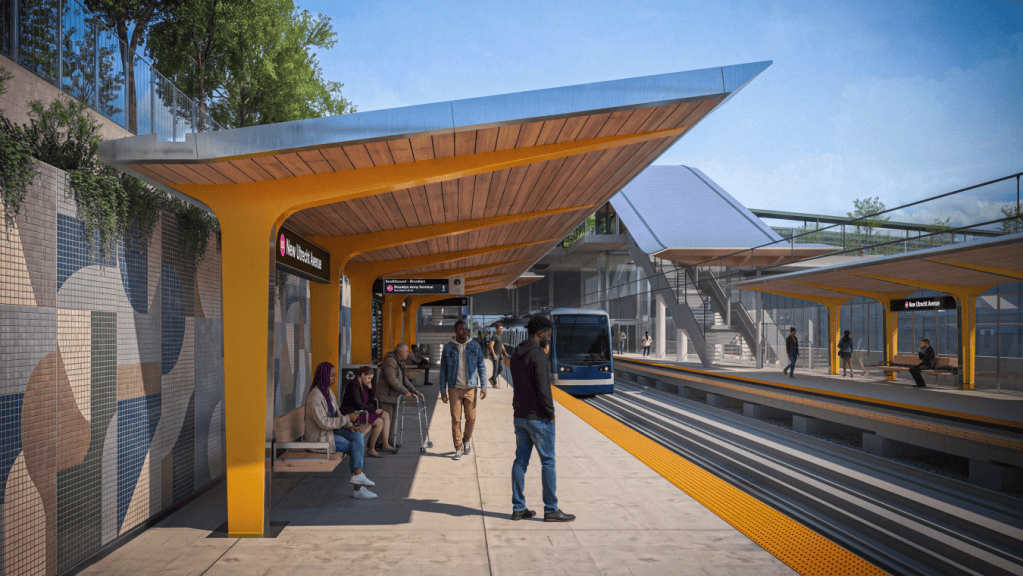
Voters in Durham and Orange counties voted for a local tax hike to support the project in 2011 and 2012. The project is nearly ready to begin construction and is projected to be complete in 2023. By 2040, daily ridership is expected to approach 30,000 trips. The long-term plan is for the light rail line to link up with commuter rail and bus rapid transit connecting all three “Research Triangle” cities: Durham, Raleigh, and Chapel Hill.

Streetsblog has migrated to a new comment system. New commenters can register directly in the comments section of any article. Returning commenters: your previous comments and display name have been preserved, but you'll need to reclaim your account by clicking "Forgot your password?" on the sign-in form, entering your email, and following the verification link to set a new password — this is required because passwords could not be carried over during the migration. For questions, contact tips@streetsblog.org.