Making Traffic Signals Fair for Pedestrians

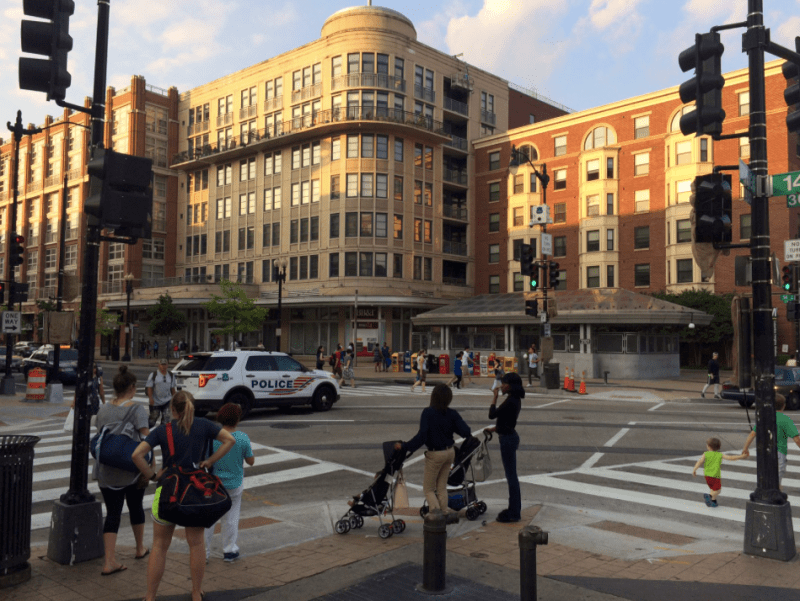
If you walk in American cities, you know the streets weren’t engineered for you. The obvious signs are the broken, obstructed, or just plain non-existent sidewalks. But there’s also a less visible bias against walking programmed into our traffic signals.
At the Transportist, civil engineering professor David Levinson outlines how signal timing conventions favor driving over walking. Beg buttons assume that cars always matter but pedestrians don’t. “Green waves” speed motor vehicles without considering the movement of people on foot. The lack of time for pedestrians to cross streets may be harder to spot than the lack of good sidewalks, but it’s just as pervasive.
Cities that want to be walkable and safe for pedestrians should adopt a totally different approach, Levinson writes. Here’s what he recommends:
- Pedestrian time must be considered (and prioritised) in the traffic signal timing algorithms so that their weight is equal to or higher than the weight of a passenger car.
- Pedestrians should get the maximum feasible amount of green time on a phase, rather than the minimum, so that pedestrians arriving on the phase have a chance to take advantage of it, and slower moving pedestrians are not intimidated by cars.
- Pedestrians should get a ‘leading interval’ so they can step into the street on a ‘walk’ signal before cars start to move on a green light, increasing their visibility to drivers.
- Pedestrian phases should be automatic, even if no actuator is pushed. Instead, the actuator should make the pedestrian phase come sooner.
- Many more intersections should have an all-pedestrian phase (what is referred to as a ‘Barnes Dance’) in addition to existing phases so pedestrians can make diagonal intersection crossings without having to wait twice.
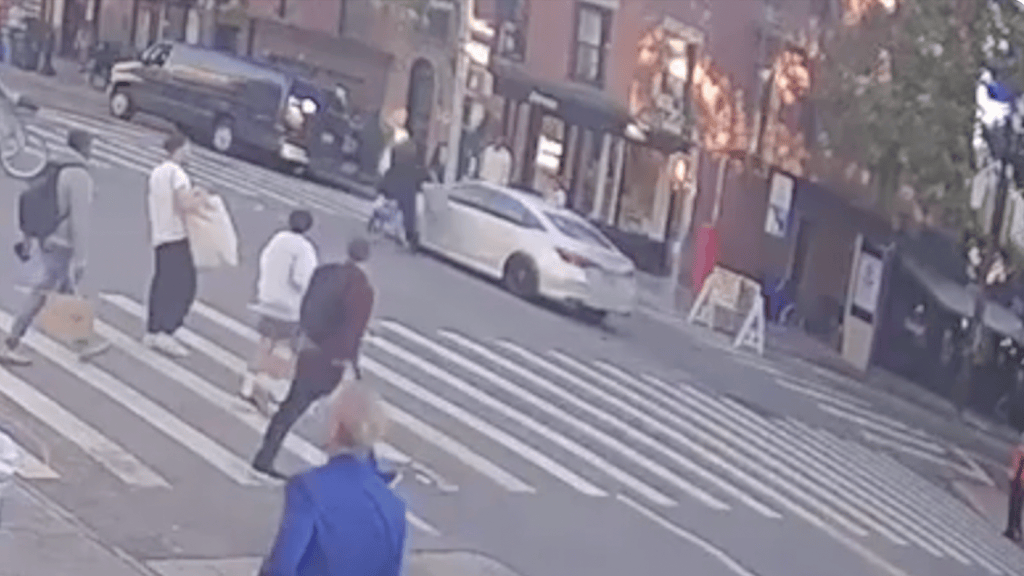
Some American cities are putting these strategies into practice. New York, for example, has accelerated implementation of leading pedestrian intervals, which is credited with reducing pedestrian fatalities there. Nationwide, however, the U.S. is moving in the wrong direction, with pedestrian deaths soaring. Traffic signals that prioritize pedestrians should be standard in every city, but they remain the exception, not the rule.

Read More:
Streetsblog has migrated to a new comment system. New commenters can register directly in the comments section of any article. Returning commenters: your previous comments and display name have been preserved, but you'll need to reclaim your account by clicking "Forgot your password?" on the sign-in form, entering your email, and following the verification link to set a new password — this is required because passwords could not be carried over during the migration. For questions, contact tips@streetsblog.org.