Protected Bike Lanes 7 Times More Effective Than Painted Ones, Survey Says


Michael Andersen blogs for The Green Lane Project, a PeopleForBikes program that helps U.S. cities build better bike lanes to create low-stress streets.
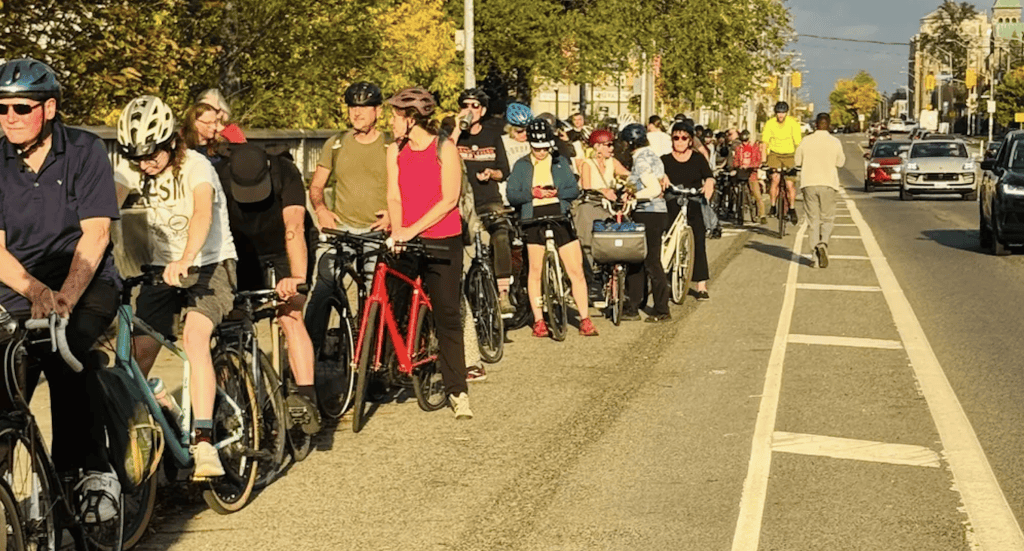
We all know that if your goal is to get meaningful numbers of people to ride bicycles, protected bike lanes are better than conventional ones painted into a door zone. But how much better?
Well, adding a bike lane to a four-lane commercial urban street increases the number of American adults who say they’d be “very comfortable” biking on it from 9 percent to 12 percent.
Making that bike lane protected increases the number to 29 percent.

The finding comes from a survey of adults in the 50 largest U.S. metro areas by the National Association of Realtors, conducted by Portland State University and published this summer. It’s some of the clearest, simplest evidence yet that for people of every demographic, a door-zone painted bike lane on a busy street makes far less difference to people’s biking comfort than one with a physical barrier between bike and car traffic.
In fact, the experience of riding in a protected bike lane beats riding in a painted door-zone one by about as much as riding on an off-street path beats riding on a city street at all. That’s true across the board: women and men, every generation, every income, every education level.

(You can read the exact wording of the question here. Participants could choose “very comfortable,” “somewhat comfortable,” “somewhat uncomfortable,” “very uncomfortable” or “don’t know.”)
Obviously there are many streets where cities can’t install protected bike lanes, at least not yet. But if your city’s goal is to increase the number of trips people take on bikes, it shouldn’t be creating door-zone bike lanes unless there’s a clear reason not to do better.
White paint just isn’t good enough to make a major difference.
Looking for statistics that make the case for protected bike lanes? We’ve got a database of them.
You can follow The Green Lane Project on LinkedIn, Twitter and Facebook or sign up for its weekly news digest about protected bike lanes.

Read More:
Streetsblog has migrated to a new comment system. New commenters can register directly in the comments section of any article. Returning commenters: your previous comments and display name have been preserved, but you'll need to reclaim your account by clicking "Forgot your password?" on the sign-in form, entering your email, and following the verification link to set a new password — this is required because passwords could not be carried over during the migration. For questions, contact tips@streetsblog.org.