How Green Is Grocery Delivery in Cities?


In a recent study out of Seattle, researchers Erica Wygonik and Anne Goodchild found that having groceries delivered by truck can cut mileage by up to 85 or 95 percent compared to driving a car. “It’s like a bus for groceries,” Goodchild told NPR. “Overwhelmingly, it’s more efficient to be sharing a vehicle, even if it’s a little larger.”
The most efficiency can be squeezed out of grocery delivery when dispatchers can design short routes that serve many people. When customers can choose their delivery times, however, the routes become significantly less efficient.
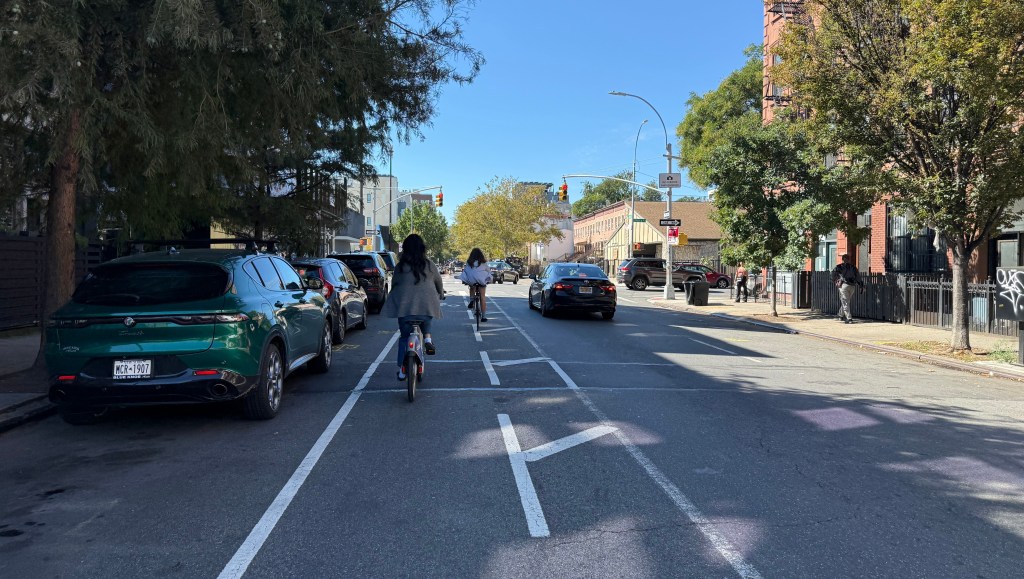
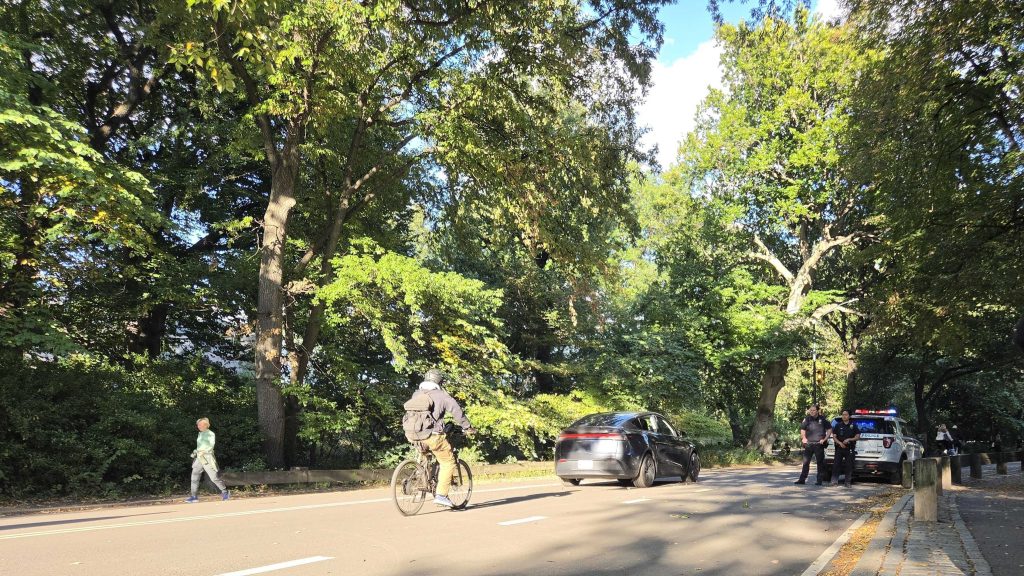
But in urban areas, where houses are close enough together that delivery might be relatively efficient, not everyone drives to the store. And people without access to a car might be the most likely to use a delivery service. In these locations, perhaps delivery services are replacing walking, biking, and transit trips more than driving trips.
It looks like more research is needed to evaluate the full impact of grocery delivery services on travel choices and carbon emissions. “We don’t have great data about how people get to the store,” Goodchild said in an email exchange. “We also don’t know to what extent these shoppers (bike/ped) might choose to shop online, versus those who drive to the store.”
She said she and her co-author have talked about conducting simulations where they consider biking “but would need to estimate calorie burn.” Yes, calorie burn — but hopefully not “increased respiration.”

Streetsblog has migrated to a new comment system. New commenters can register directly in the comments section of any article. Returning commenters: your previous comments and display name have been preserved, but you'll need to reclaim your account by clicking "Forgot your password?" on the sign-in form, entering your email, and following the verification link to set a new password — this is required because passwords could not be carried over during the migration. For questions, contact tips@streetsblog.org.