Cities and Countries
Top Categories
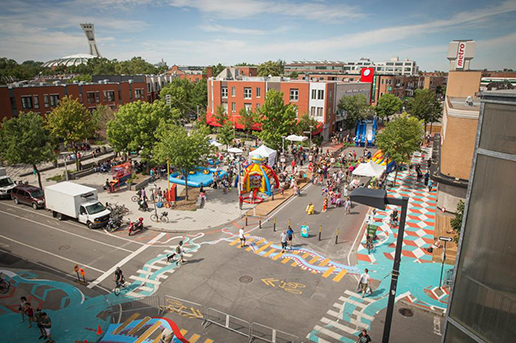
Q&A With Dongho Chang, a Traffic Engineer Who Stresses Safety Over Speed
Dongho Chang belongs to a new generation of transportation engineers who see their job as more than moving cars. His work with Seattle DOT has established the city as a national leader on designing multi-modal streets. We recently spoke to Chang about his work in Seattle and how the profession is changing.

February 14, 2017
To Get More People on Bikes, Louisville Needs to Raise Its Game
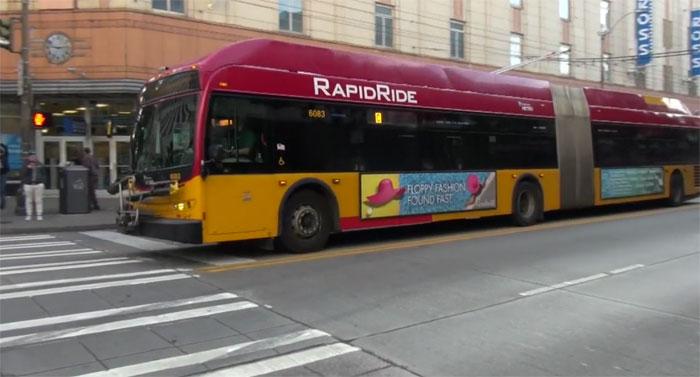
Louisville is making an effort to build out its bike network, adding a number of buffered bike lanes and beginning a network of low-stress "Neighborways" along residential streets. It's a start, but peer cities like Indianapolis and Pittsburgh are doing more to make cycling an appealing way to get around. Here's what Louisville needs to do to catch up.
February 14, 2017
What American Commuter Rail Can Learn From Paris
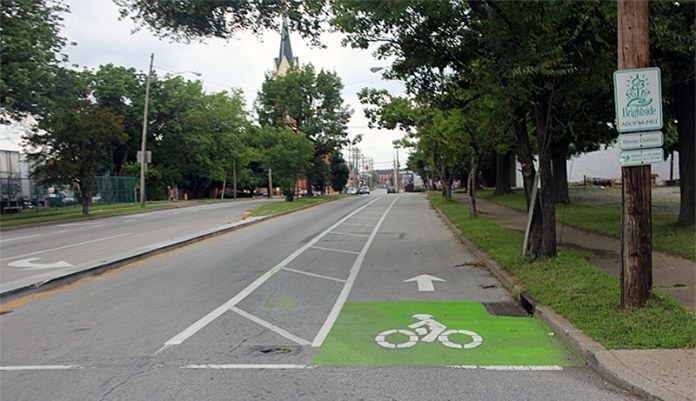
In the U.S., regional rail is mostly good for one type of trip: the commute. But in Paris, regional rail is oriented toward all types of trips, and people ride throughout the day, not just at rush hour. One key to success is running frequent, predictable service all day long.
February 13, 2017
Get a Glimpse of Barcelona’s “Superblocks” in Action
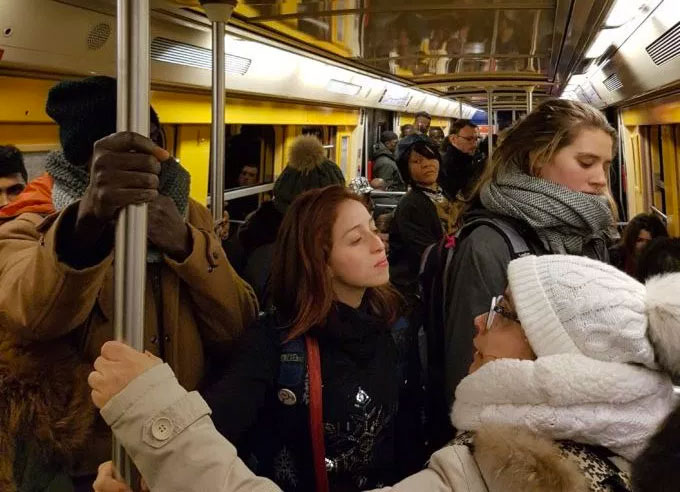
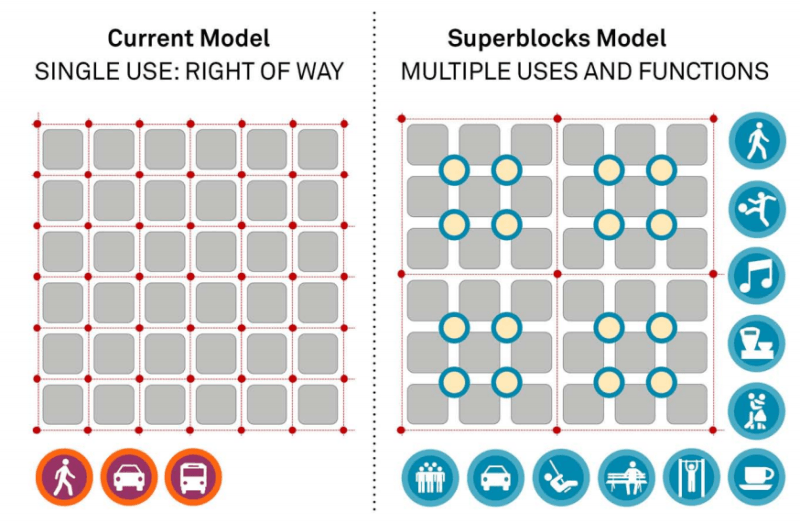
Barcelona is making headway on its "superblocks," clusters of nine city blocks where car traffic is restricted and public space is expanded. This BBC video shows how a superblock functions: Most of the street space is reserved for walking and biking, while motor vehicles are limited to narrow, indirect rights-of-way.
February 13, 2017
Downtown Seattle Added 45,000 Jobs and Hardly Any Car Commuters
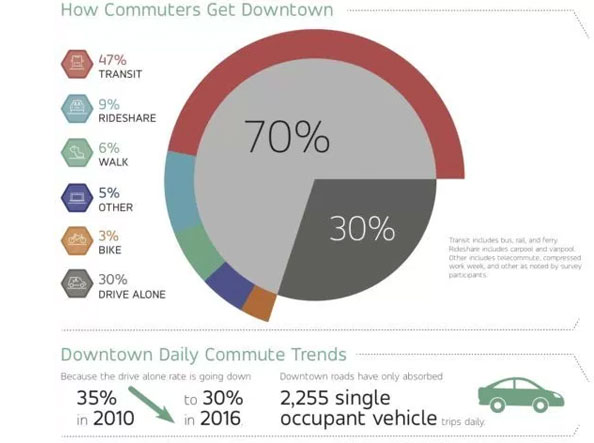
Transforming from a car city to a transit city is no easy task. Just ask Denver and Los Angeles, which have spent billions to build rail systems but struggled to reduce solo car commuting rates. But Seattle shows it can be done: The share of downtown commuters who drive alone dropped from 35 percent in 2010 to 30 percent last year.
February 10, 2017
To Make Streets Safer, Seattle May Get Rid of Traffic Signals
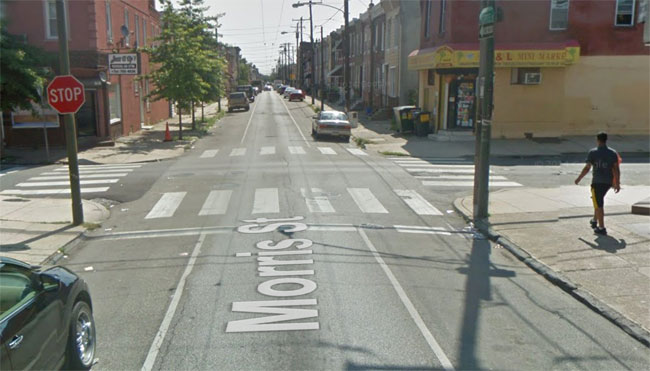
Signalized intersections carry special risks. Drivers often accelerate during the yellow phase to "beat the light," leading to high-speed crashes. Federal officials warn that improperly placed signals can "significantly increase collisions." So Seattle is reviewing 10 intersections to see if traffic signals should be replaced with stop signs.
February 9, 2017
Boston Identified Its Most Dangerous, Degrading Bus Stops. Now What?
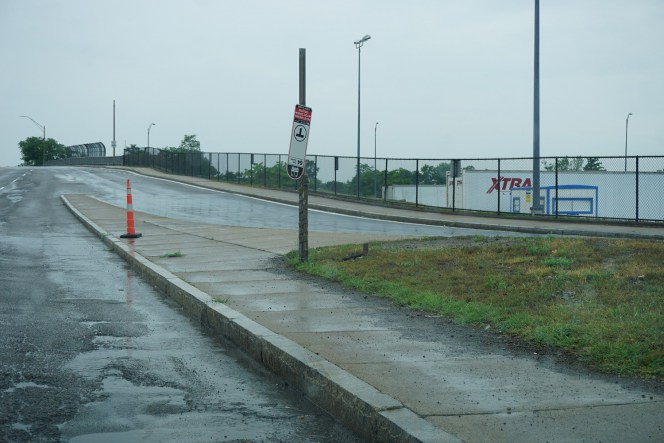
The MBTA is evaluating all 7,600 of its bus stops for safety and accessibility, and it will either improve or eliminate 200 of the worst ones.
February 8, 2017
How Racial Discrimination Shaped Atlanta’s Transportation Mess
Racist fears hobbled transit in Atlanta two generations ago. Is the region finally learning from its mistakes?
February 8, 2017

Don’t Push Bus Riders to the Margins
Mayors frequently face pressure from business interests to remove bus riders from downtown areas. But that's a big mistake, says transit consultant Jarrett Walker.
February 6, 2017
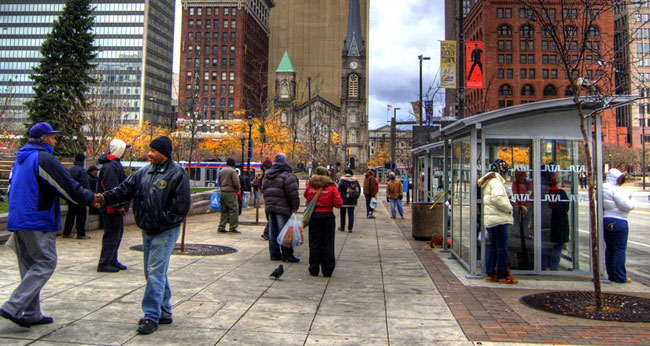
Montreal’s Car-Free Street Network Gets Bigger All the Time
Every year, Montreal transforms more of its streets into public spaces where people can rub shoulders with their neighbors without worrying about car traffic. Block by block, experiment by experiment, the city's pedestrian streets are growing.
January 23, 2017