Cities and Countries
Top Categories
Riders First: How Buses Are Moving San Francisco Forward
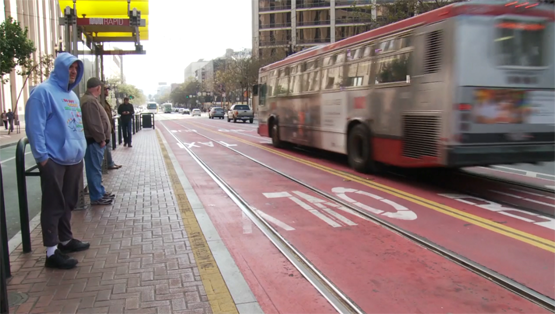
The unsung hero of San Francisco is the humble city bus, which moves more than 400,000 people through the city every day. This didn’t happen by accident -- the San Francisco Municipal Transportation Agency (SFMTA) have taken a systematic, rider-centric approach to improving bus service across the city.

March 7, 2017
Truck Crash on Freeway Paralyzes Traffic. Seattle Times: Ditch the Bike Lanes!
Last month, a truck crashed on a major Seattle freeway, paralyzing traffic for miles. The whole episode demonstrated the fragility of the freeway system, and the need for more resilient transportation networks. But the Seattle Times had a hotter hot take. The real culprit, according to the paper's editorial board? Bike lanes.
March 7, 2017
Coming Soon to Boston’s Massive Parking Crater: More Subsidized Parking
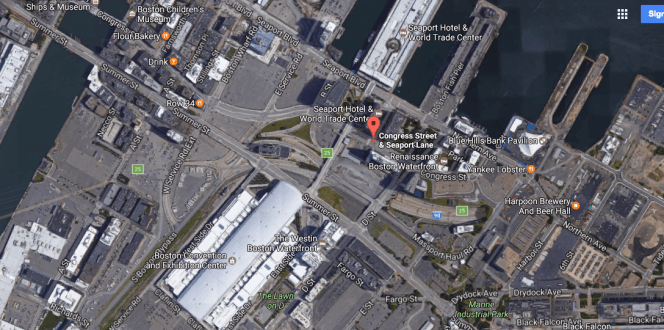
Quick -- what should a city do to improve access to a rapidly developing area near a bus rapid transit station? In Boston, officials have settled on an expensive plan to subsidize driving and traffic.
March 6, 2017
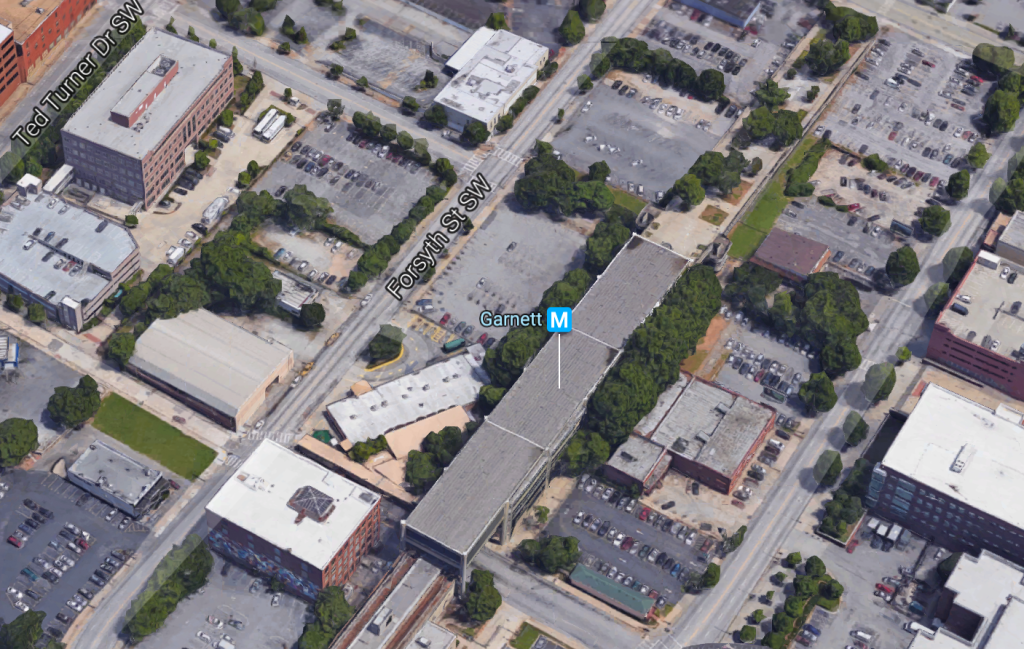
A Fixation on Parking Threatens Transit Progress in Atlanta
Darin Givens is frustrated with how Atlanta is planning for the future. “We don’t feel like the city is building transit that fits needs, or places that fit transit,” says the founder of local advocacy site Thread ATL. “You see nodes of density nowhere near a MARTA station or a regular MARTA bus. We’re not matching development and transit.”

March 2, 2017
Austin May Cut Parking Requirements By Nearly 50 Percent
Austin is in the process of overhauling its zoning code -- an initiative called CodeNext -- and one of the most promising aspects is a major reduction in parking requirements. If the current draft holds up, the effects on walkability, housing affordability, and water quality could be impressive.
March 1, 2017

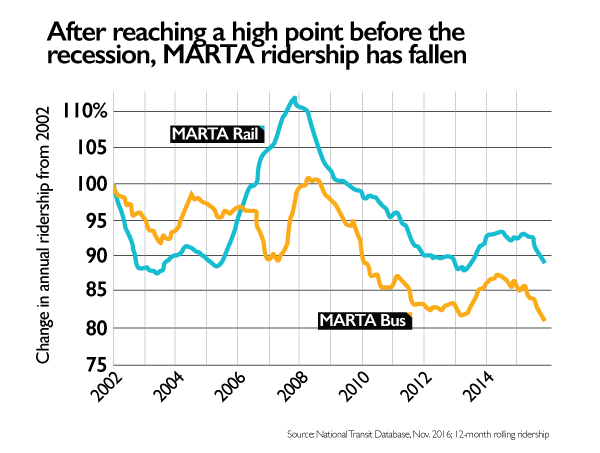
In Atlanta, Transit Service Lags Behind a Booming Population
Since 2000, the Atlanta region has grown by more than 1.5 million people, or over 25 percent, but transit service is not keeping up. Both rail and bus ridership on MARTA, the major regional transit provider, have fallen dramatically in recent years.
February 23, 2017
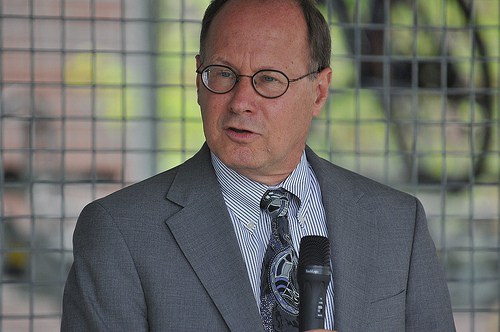
Why Is Portland’s Transit Chief Advocating for More Highways?
After suffering an embarrassing defeat a year ago, the Oregon highway lobby is rattling the can for more money again. They have a list of highways they want to widen, and they say Portland's economy depends on it. In addition to the usual suspects, the highway cheerleaders include Neil McFarlane, general manager of TriMet, the regional transit agency.
February 23, 2017
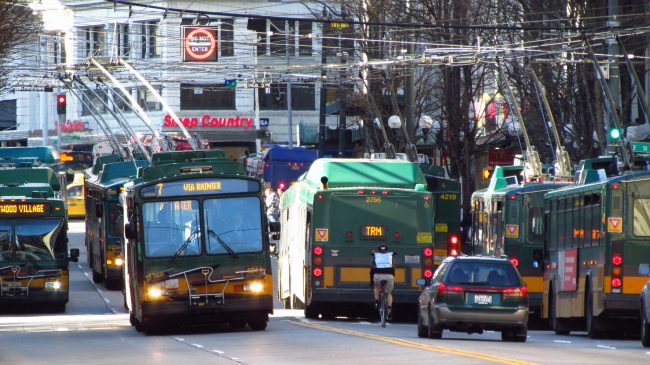
Why Seattle Should Boot Cars Off Its Busiest Street for Buses
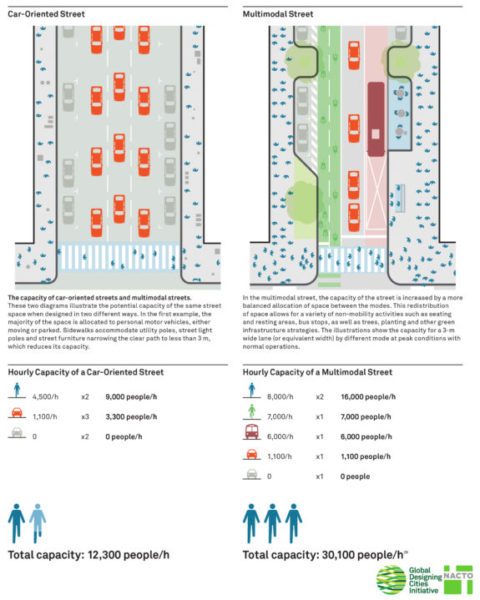
Seattle is booming, and in downtown, transit has been absorbing most of the city's growth in travel. With the streets full during rush hour, the only way to increase capacity is to reallocate street space from cars to more compact modes like buses and bikes.
February 22, 2017
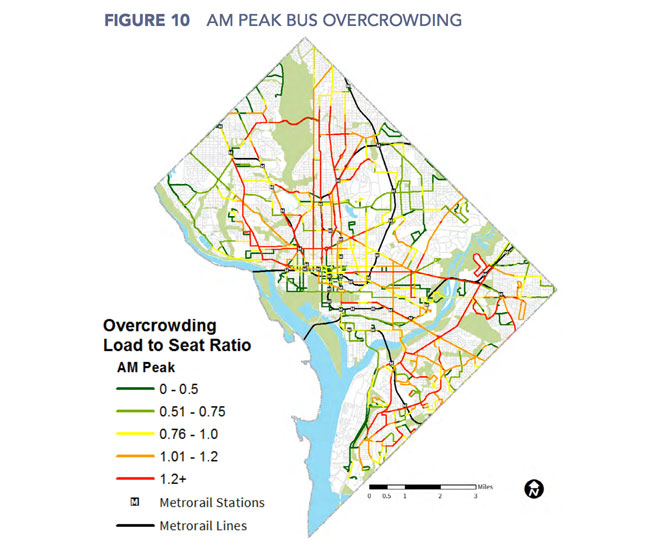
Want to See Where Transit and Biking Need a Boost? D.C. Has a Map for That
Most places in the U.S. still use 20th century metrics to measure the performance of transportation systems. The emphasis is still on moving cars, not improving transit service or reducing traffic injuries. One of the exceptions is DC, where the DOT is letting people assess streets according to a different set of priorities.
February 16, 2017
What American Commuter Rail Can Learn From Paris, Part 2
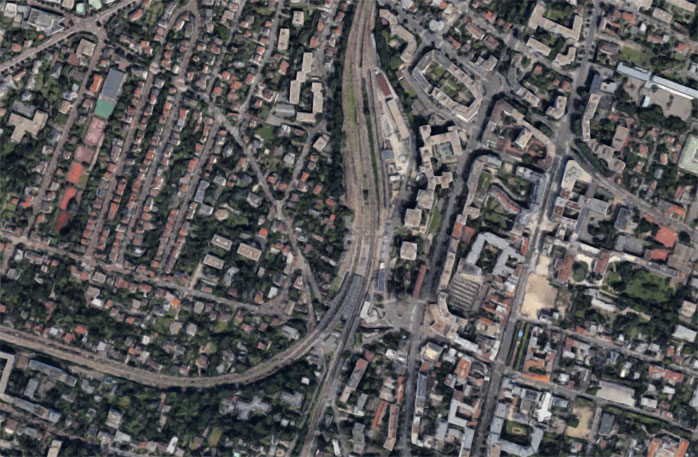
In Europe it's common for regional rail systems to get ridership comparable to that of the subway in the central city. But in America, this is unheard of. One reason for the discrepancy is land use: American commuter rail stations are typically surrounded by parking, while in the Paris region you see a different pattern with ample development next to suburban train stations.
February 15, 2017