Winter Is Coming: Will Mamdani Do A Better Job For Bus Riders And Citi Bikers This Year?
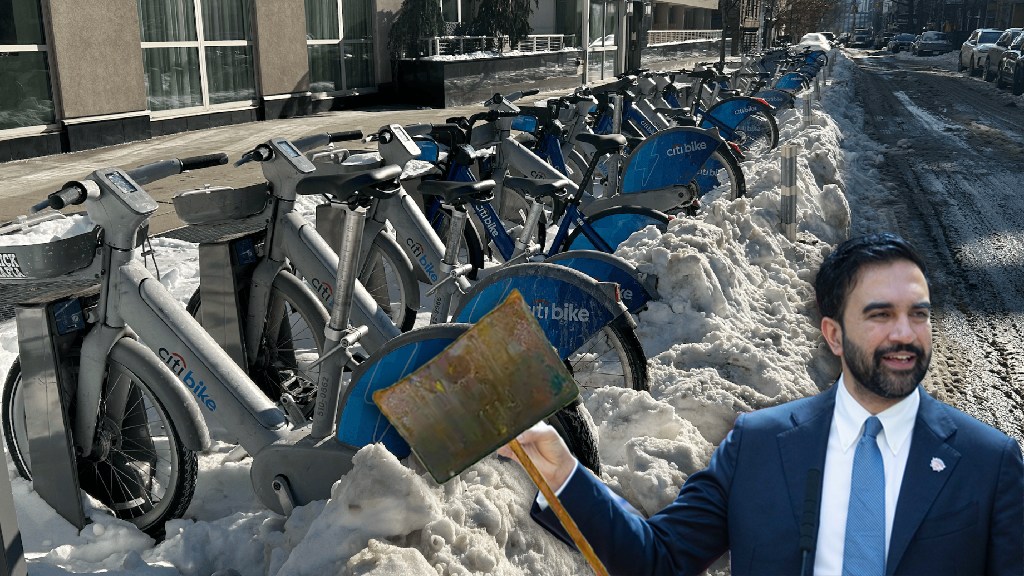
It’s a winter wonder-land.
Mayor Mamdani is overhauling the city’s emergency response to better address the needs of homeless New Yorkers after last year’s extreme weather killed 18 people — but the portion of the plan related to transportation is light on details and would rely on cooperation from the private companies that operate and maintain the Citi Bike docks and bus shelters on which thousands of New Yorkers rely.
On Monday, Hizzoner announced a number of improvements to, and investments in, the city’s winter weather protocols, a reaction to the harrowing winter that tested his fledgling team’s emergency response just weeks into his mayoralty. This includes a $25-million investment into the city’s “code blue” response to get vulnerable New Yorkers inside on the worst nights. The city will deploy 300 more outreach workers, use mobile warming vans, open city hospitals as warming centers and open more beds to homeless New Yorkers who need a place to stay.
But pedestrians, cyclists and bus riders who bore the brunt of the mobility dysfunction last winter will still have a blizzard of questions about this winter’s plan.
For instance, the mayor’s announcement said that the city had “established new protocols with JCDecaux and Citi Bike to clear bus stops, bike-share infrastructure and other priority transit areas faster” — but when Streetsblog inquired further about what exactly these new protocols entailed, a City Hall spokesperson said that conversations are ongoing, but include clearer expectations for the companies.
Lyft, which operates Citi Bike, has already committed to do better this winter, its spokesperson said.
“Lyft and the city share a commitment to keeping Citi Bike running throughout the winter,” said spokesperson CJ Macklin. “We’re working with the mayor’s office and DOT on updated protocols to prepare for winter weather and keep bikes and stations available for the New Yorkers who rely on them year-round.”
Last year, Citi Bike docks remained snowed in for weeks, bus riders traversed snowbanks and waited in the middle of the street for their ride, and pedestrians shuffled single file through narrow paths in the accumulated ice and slush. But the clarity of the expectations isn’t really the problem.
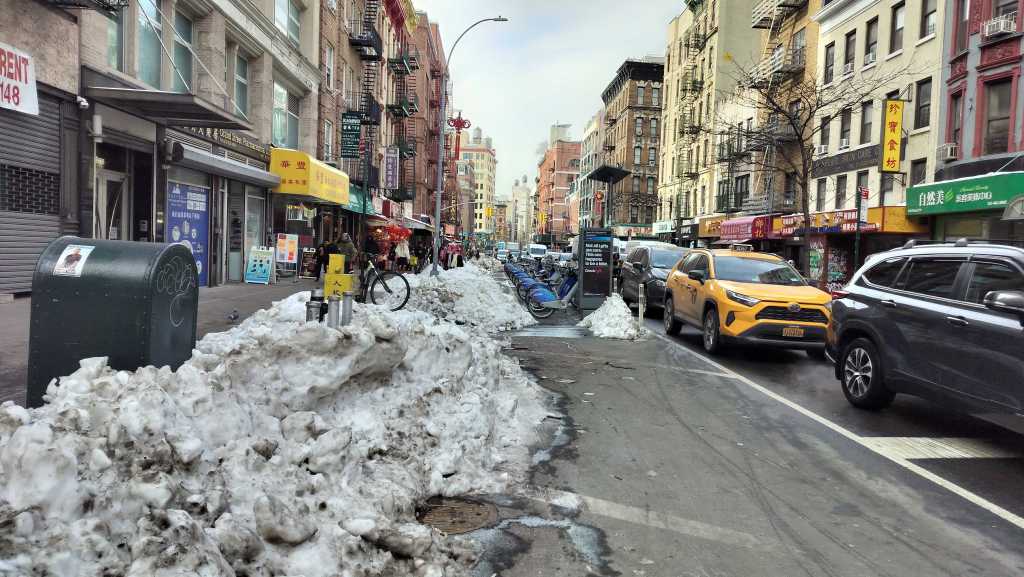
The city subcontracts with the advertising firm JCDecaux to operate bus shelters at 3,400 stops, meaning that the company, not the city, is responsible for clearing those bus stops after a storm. But private property owners are still responsible for the more than 10,000 bus stops not maintained by JCDecaux.
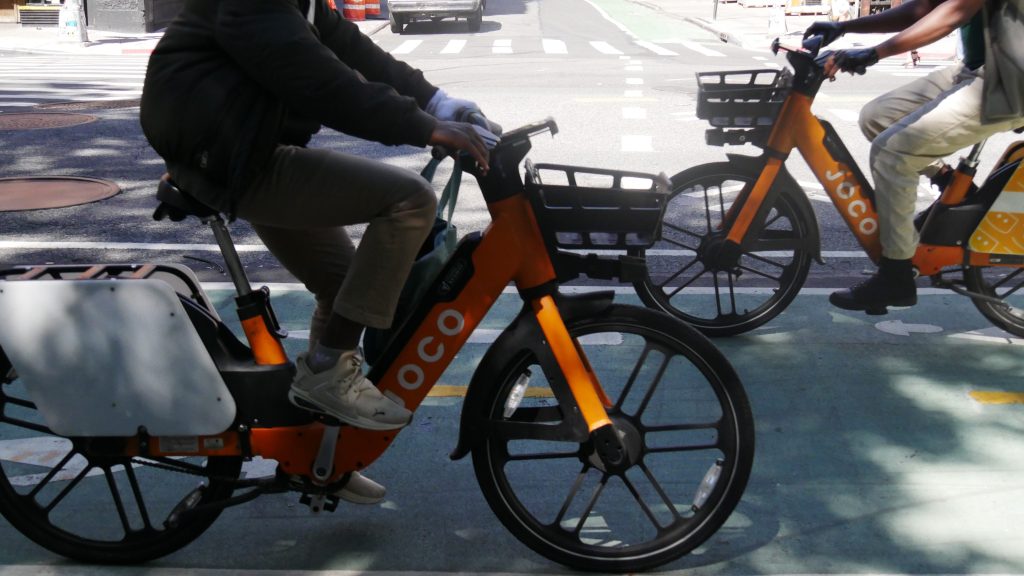
For Citi Bike the situation is similar. Lyft, the company that operates Citi Bike and owns the bikes and the docks, is clearly responsible for clearing them out in the event of snow. The company’s contract with the city has strict Service Level Agreements that are meant to keep the system operable for paid members. Lyft must remove snow within 12 hours of the end of the storm and must maintain parallel paths for pedestrians perpendicular to and parallel to the stations. The penalty is $50 per station, per 12-hour period.
But, these agreements are largely suspended during winter weather whenever alternate-side parking regulations are also suspended, making it impossible for the city to even fine Lyft for failing to clear out the docks, according to Lyft’s contract with the city that Streetsblog obtained through a records request.
It is unclear if any of these systems are actually changing, and City Hall would not say.
On the plus side, the city has purchased 120 snow blowers to help public workers clear areas that can’t be reached by typical plows. The Mamdani administration has added an unspecified number of small snow plows for the city’s protected bike infrastructure, a brigade that now numbers 47.
Last year, major protected bike lanes remained unplowed days after major snowfall forcing commuting cyclists and delivery workers into traffic.
And last year’s twin storms — which also came during prolonged stretches of cold weather that prevented melting — revealed existing flaws in the city’s approach to clearing crosswalks and sidewalks. The Mamdani administration says it is addressing those flaws by formally incorporating bus stops and crosswalks into official snow removal routes. In practice, property owners will remain responsible for clearing the sidewalks, but the Sanitation Department will now use an internal dashboard to identify areas for the city to step in.
“The Department of Sanitation will now be monitoring unsheltered bus stops and crosswalks in high-volume corridors and other pedestrian infrastructure via an internal dashboard and will dispatch Emergency Snow Shovelers as needed to ensure the safety of all New Yorkers,” said agency spokesperson Vincent Gragnani.
This winter is expected to be very different than last year. Meteorologists don’t expect long cold stretches that keep snowfall and ice on the street. Instead a strong El Niño will cause warmer weather. This will bring heavier, wetter snow, which, followed by short cold snaps, can create slippery ice, emergency management officials said at Monday’s press conference.
Last year, the city implemented its so-called “winter plan” for 50 consecutive days. DSNY workers laid one billion pounds of salt, cleared 135,000 crosswalks and plowed 6,300 miles of streets. On typical years the plan is only in place for around 10 days per winter, officials said. Officials promised that all New Yorkers’ transportation needs would be taken care of this winter.