City Exempted Truck in Fatal Crash from Life-Saving Safety Component
Safety last.
The excavation truck whose driver killed a teenager on a Citi Bike last week was exempted from a city rule requiring a crucial safety feature meant to prevent victims from being pinned under the heavy vehicles — and it turns out that about half of all trade-waste vehicles are exempt from the life-saving tech, the Business Integrity Commission told Streetsblog.
So-called “side guards” or underguards that protect against the type of fatality that occurred on Friday night on E. 14th Street have been mandated for heavy commercial waste vehicles since 2015, three years after cyclist Mathieu Lefevre was killed in Brooklyn by the driver of a truck which lacked the safety feature.
Companies had until 2023 to comply with the law. But the Badger hydro-excavation truck the driver was operating who ran over Serkov and her friend had a city-issued exemption, the New York Times initially reported.
On Monday, the Business Integrity Commission confirmed that report — and told Streetsblog that about half of trade waste trucks have been exempted because “the design or operation of the vehicle (i.e. incorporated toolbox, ladder, fuel tank)” makes it too challenging to install the after-market safety feature.
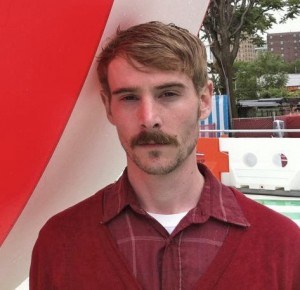
“This waiver application demonstrated that the vehicle had incorporated features such as toolboxes and fuel tanks on the vehicle sidewalls, rendering guards impractical,” said Business Integrity Commissioner Director of Policy Leah Nomkin.
There were 312 such waivers issued this year, down from 572 in the last year of the Adams administration. The exemption on the Badger excavator was granted in 2023 in “accordance with the governing rules,” according to an agency spokesperson.
Teen cyclist Mario Valenzuela was also killed by the driver of a trade waste truck without underguards in 2019.
Advocates were stunned at the missing safety equipment in the latest crash.
“I was shocked that there were exemptions,” said Jessie Singer, the author of “There Are No Accidents” who was active in the transportation advocacy scene when the safety guard law was drafted. “The idea that there would be a permanent exemption to a safety law rather than a requirement for businesses to get their fleet in line over time seems incredibly problematic.”
The news that hundreds of dangerous trucks are roaming around town without mandated safety features will also shock anyone who listened to Mayor Mamdani’s press conference last week announcing the reboot of the city’s Vision Zero initiative.
At the confab, Department of Transportation Commissioner Mike Flynn pointed out that in order for the city to achieve zero traffic deaths, the focus must be on a “safe systems approach that acknowledges that we all make mistakes … that our road systems should be designed so that those mistakes don’t cost us our lives as we simply try to get around New York City.”
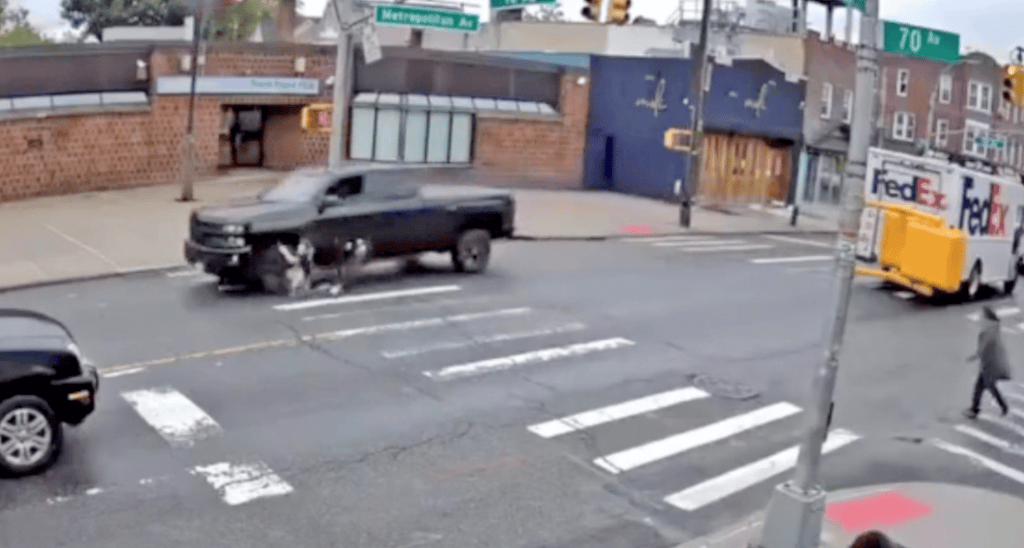
That is, of course, what happened on Friday, Sept. 18, when two teenage girls shared an electric Citi Bike only to be side-swiped by the Badger truck driver. According to video obtained by Streetsblog, plus witness and police accounts, the teens and the Badger truck driver were both heading west on 14th Street when the truck driver turned right onto northbound First Avenue striking the teens, killing 15-year-old Daria Serkov. It is unclear if the teens were turning right or going straight to either continue on 14th Street or to make the right onto First to connect with the protected bike lane on the west side of the block.
In either case, the teens had the right of way, but the driver of the truck apparently did not see them. He has not been charged.
An underguard, which reduces fatalities by 40 percent, prevents smaller vehicles, pedestrians, and cyclists from getting pinned under the big-rigs in the event of a side-impact collision.
So far the 57-year-old driver has not been charged with any crime and his name has not been released. He remained at the scene for questioning, according to police. The NYPD has dramatically reduced enforcement against drivers for failing to yield to pedestrians or other vehicles. In 2019 the police gave 81,710 such tickets, last year it gave out just 42,686, a 48 percent drop, according to city stats.
When ‘Safe Systems’ fail
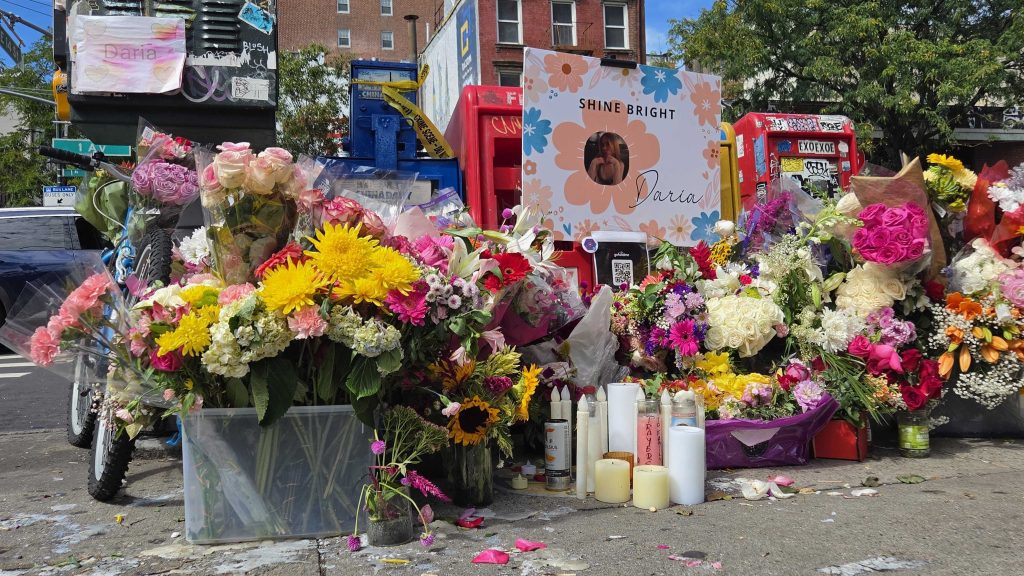
Friday’s fatal crash shows just how much work needs to be done to build out the “Safe Systems” that Flynn is championing. For starters, 14th Street, a popular east-west route for cyclists, has no protected bike lane. Cyclists are riding in traffic with buses and commercial vehicles using the busway between Third and Ninth avenues. The city is currently planning a full buildout of the 14th Street busway, but there has been no talk of making the corridor safe for cyclists.
“In the aftermath of this killing, we need to push hard for bike infrastructure to be part of this capital project,” said Sofia Barandiaran, the New Jersey & New York Greenway Manager with the East Coast Greenway Alliance.
Barandiaran said she was disappointed a March survey by the DOT barely mentioned cycling and wants to make sure two-wheelers are not left out of the conversation.
“I envision 14th Street as a first-of-its-kind greenway and transit street reminiscent of the grassy tramways of Europe, sort of like the new-and-improved Park Ave design, except this time it would not only incorporate pedestrian, bike, and green infrastructure, but also swap out the car lanes for bus rapid transit,” she said.
Protected bike lanes force drivers, like the one operating the truck when he hit the two girls, to make slower, wider turns, part of a “Safe Systems” approach. It’s about designing streets in such a way that when human error occurs, the consequences are manageable.
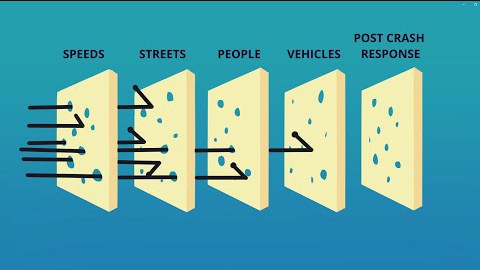
“There’s a lot of people online blaming these children for being on a Citi Bike or double-riding or whatever else, but none of those things would have you know prevented their death,” said Singer. “The ‘Safe Systems’ approach seeks to disable that victim-blaming, and even disable the blaming of the truck driver, because we can’t really learn anything when we’re focused on blaming the actions of either individual.”
Another way to work towards a systems approach is to change the trucks themselves. The city has long known the risks involved with the type of truck that killed Serkov. A 2021 study showed warned of the exact situation that occurred 14th Street last Friday, where a truck driver operating in a low-visibility conventional cab was stopped and then started driving and killed someone.
“Conventional truck cabs have limited visibility that increases the risk of collisions involving injuries or fatalities. Large trucks with conventionally designed cabs can have a frontal obstructed view of 20 feet or more. Since 2010, all fatal collisions in New York City involving a commercial garbage truck that was stopped and then put into drive, involved a cab with a conventional design,” a 2021 press release stated.
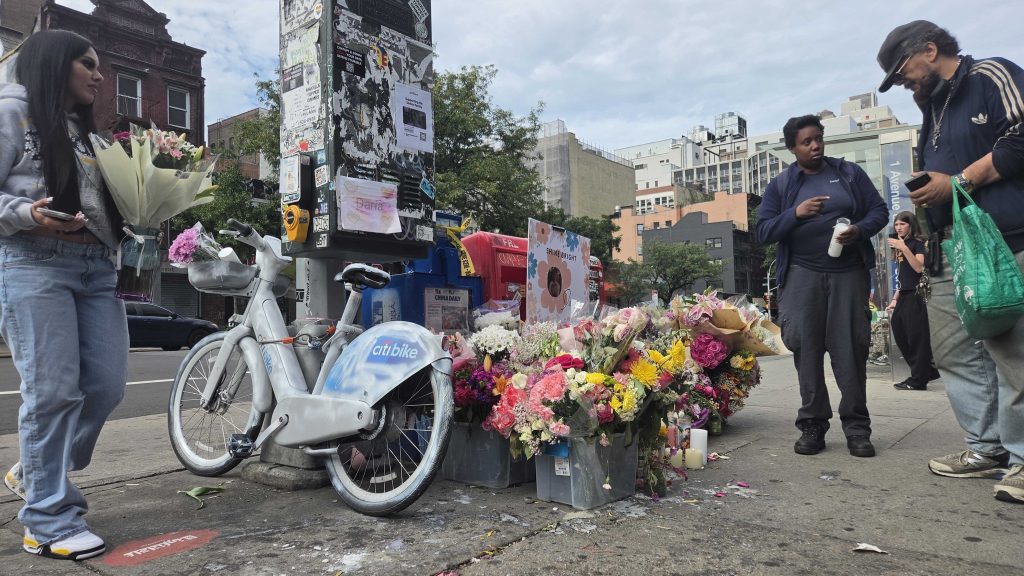
Some mourners gathered at the site of the crash expressed fear about biking the same streets where the girls were hit. One neighbor, whose apartment is adjacent to the crash site, said he is sick of looking for blame after crashes. Instead, he wants systemic change.
“Personally, I am kind of over the whole … blame for one road user or another, even drivers,” said David Dartley whose child attended middle school with both of the victims and whose sister was killed by a driver. “Modern city streets are a meat grinder and the whole system should be wiped off the drawing board and we should start from scratch.”
The Business Integrity Commission and the NYPD are both still investigating the “heartbreaking” crash, said mayoral spokesperson Jeremy Edwards.
Badger offered a statement of condolences and told Streetsblog it is fully cooperating with the NYPD’s investigation into the crash. The company declined to explain why it sought an exemption from the side-guard rule or what other safety features it puts in its trucks.
— with Sam Brule

Read More:
Streetsblog has migrated to a new comment system. New commenters can register directly in the comments section of any article. Returning commenters: your previous comments and display name have been preserved, but you'll need to reclaim your account by clicking "Forgot your password?" on the sign-in form, entering your email, and following the verification link to set a new password — this is required because passwords could not be carried over during the migration. For questions, contact tips@streetsblog.org.