Opinion: ‘Transit-Oriented Development’ Also Means Housing That Actually Invests in Transit
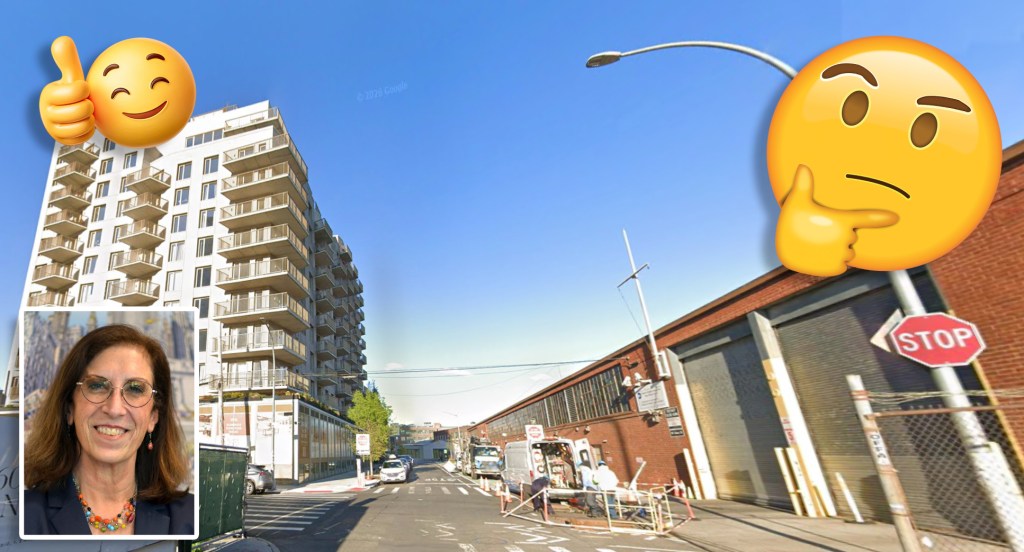
For New Yorkers, access to transit means access to opportunity. So does access to housing. But housing – especially affordable housing – has become increasingly scarce, even as the MTA continues to invest in burgeoning ridership. But on Quay Street in Greenpoint, the agency has an opportunity to address local housing needs and the transit system’s critical capital needs at the same time.
For decades, the MTA has operated a Mobile Wash Unit facility on Quay Street, adjacent to Bushwick Inlet. When the agency acquired the site in the early 1990s, it fit in naturally among the warehouses, factories, and industrial businesses that lined North Brooklyn’s waterfront.
That is no longer the case. The neighborhood around it has become primarily residential — filled with homes, shops, and families — which makes the facility feel out of place. A partnership with the Gotham Organization will bring positive change and public benefit to the neighborhood by repurposing valuable land the MTA owns into housing, while generating revenue to improve service and reliability across the entire transit system.
The proposed Monitor Point mixed-use development is, therefore, a win-win: it would bring new affordable housing to Brooklyn while helping fund key transit projects. With the next step in the land use process now in its court, the City Council has the chance to help write history.
Monitor Point is a public-private partnership between the Gotham Organization, the MTA, and the Greenpoint Monitor Museum. Under the agreement, Gotham will fund the construction of a modern, consolidated replacement facility for the MTA’s Mobile Wash Division and Emergency Response Unit in East Williamsburg, at no cost to the public. The deal also generates long-term rent payments to the MTA over 100 years, contributing directly to crucial projects like upgrading signals, stations, and switches, making stations accessible, buying new subway cars and buses, and enhancing substations to keep up with greater demand. In exchange, the existing waterfront depot gets replaced with housing, open space, and a community facility.
This is a great example of what transit-oriented development can be. The term can encompass any project that brings more housing close to transit. But what distinguishes Monitor Point is that the transit investment is instrumental to the deal.
Internationally, some of the best-funded transit systems rely heavily on using development on transit agency-owned land to raise funds and reinvest in infrastructure. That helps those agencies provide excellent service and keep fares low with less government support. Building housing that will reinvest in the trains and buses we depend on should be a model for other MTA-owned sites to keep transit affordable and well-funded for generations to come.
The housing element reinforces the need for transit. Monitor Point will deliver approximately 1,150 homes, with 40 percent permanently affordable. The majority of those affordable homes will be at income levels between 40 and 60 percent of the area median income. In a city where the vacancy rate is the lowest since Richard Nixon was president, adding working-family homes near transit is also how you sustain ridership and create paying customers for the transit system. Communities where people can afford to live near the system are communities that use it.
There is a legitimate debate to be had about how MTA-owned land should be used, and what obligations should be attached to publicly owned property. Monitor Point delivers on all three main tests: underutilized land owned by the MTA should generate revenue for the system, it should add housing for the region, and there should be public benefits for surrounding communities. MTA Chairman Janno Lieber has said it himself: transit-oriented development drives job and housing growth, and the agency should be getting the best use out of its property.
New York cannot afford to leave responsible transit investment on the table. The MTA’s capital needs are real, the funding environment is precarious, and the opportunities to secure long-term private contributions to the system’s financial health are limited. Projects like Monitor Point — which has the support of the local community board and the City Planning Commission — represent the kind of opportunity the city and state should pursue more often: more housing, more transit, and more investment that works for New Yorkers.

Read More:
Streetsblog has migrated to a new comment system. New commenters can register directly in the comments section of any article. Returning commenters: your previous comments and display name have been preserved, but you'll need to reclaim your account by clicking "Forgot your password?" on the sign-in form, entering your email, and following the verification link to set a new password — this is required because passwords could not be carried over during the migration. For questions, contact tips@streetsblog.org.