Driverless Vehicles — Who Needs Them?
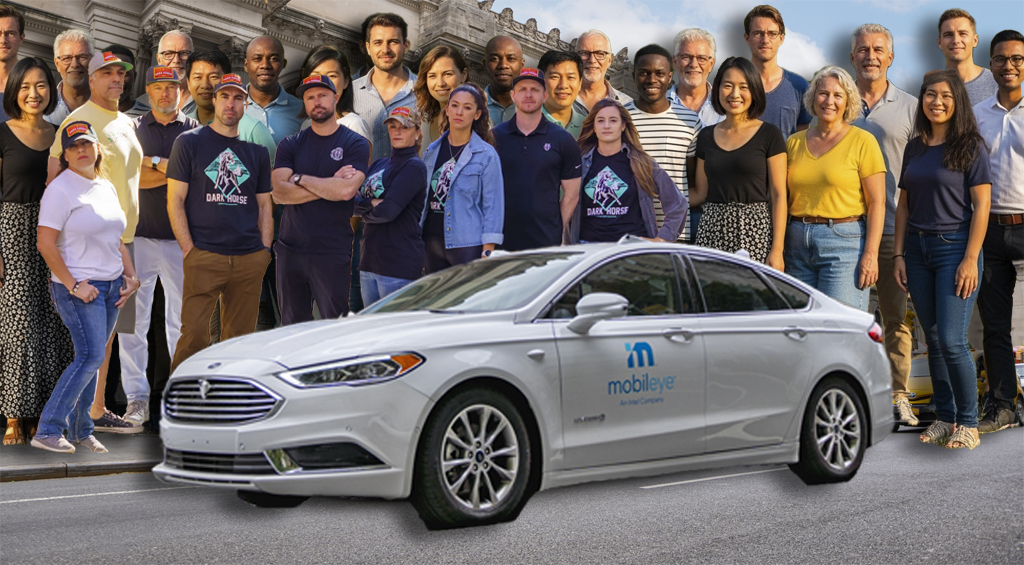
That headline is not sarcastic — I mean it literally: Which users will benefit the most from autonomous vehicles? This question will be essential in creating a legal framework that optimizes the benefits of this technology and distinguishing between positive and questionable uses.
One size does not fit all.
Even if Waymo’s claim that its driverless cabs are involved in 80-percent fewer crashes per mile traveled is true, we still must take all necessary steps to encourage the use of AVs. Given the hundreds of deaths and tens of thousands of injuries annually in New York City, driverless cars have the potential to provide a huge safety dividend with far-reaching effects on hospitals, health, and individual finances — perhaps as much as $10 billion annually.
It’s likely that the safety improvements from AVs will surpass all of the reductions made over the 11 years of Vision Zero, even if the crash-reduction figures are somewhat lower than Big Tech promises.
So autonomous vehicles are a moral imperative, right? That means we shouldn’t stand in the way of progress, right? Well…
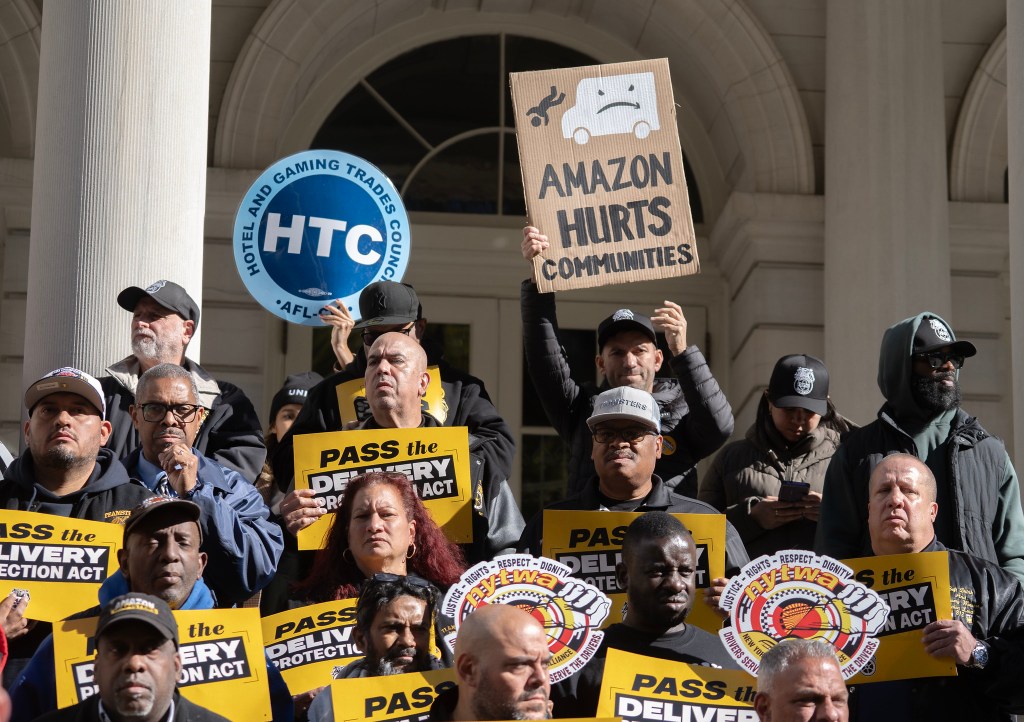
The tech companies want to launch their AVs as taxis. Thousands of jobs and families are at risk of unemployment, insolvency, and even homelessness. This would be an actual humanitarian catastrophe that requires management and mitigation through the creation of alternative jobs. To what extent should the tech corporations bear that burden? That should be part of any discussion of AVs — and this needs to be done as part of a robust public process, not simply buried in Gov. Hochul’s budget.
On the plus side, the taxi sector is the most suitable use case for this technology because mass adoption is possible without the need for expensive sales channels to capture individual AV potential customers.
But city residents won’t likely fare well.
First, the number of miles traveled won’t decrease. The taxis will be on the road all the time, like other taxis are. The operator (Uber, Lyft, etc.) may decide to deploy more vehicles to the streets, most likely during periods of high traffic — something Uber currently cannot do because it needs humans to actually drive those cars. It won’t be good for congestion.
Taxi drivers in New York City do have a lower collision rate per mile than regular drivers — as much as 40 percent lower — so our city won’t enjoy the level of crash reduction that businesses like Waymo are dangling in front of the politicians.
And without taxi drivers, the service itself will be worse. Who will assist disabled people to load their wheelchairs? Who will help a blind customer find the door of the car? And who will help a harried airport traveler, toting two kids, retrieve their bags from the trunk in the loading zone? (As a reminder, Google initially designed these autonomous vehicles to continuously cruise across the city and record street views; no interaction with humans — no luggage, no pickup, no drop-off.)
What are the procedures for pickup and drop-off? Will the software allow a quick double-parking maneuver to pick up or drop off passengers, or will cars drive endlessly around the block, with their passenger inside, trying to find a loading zone that isn’t blocked by a human driver?
And will the cars respond adequately to driving instructions from the passenger, a tradition in New York where riders direct taxi drivers on how fast to drive, how to make a light, what itinerary is the best, what lane to use, where to turn, where to stop, etc. If yes, will we end up with taxis “driven” by commands from harried or incompetent passengers?
But speaking of incompetence, AVs could be the solution to getting reckless drivers off the road. Rather than focusing on replacing higher-skilled taxi drivers, AVs could be required for recidivist reckless drivers or those caught causing the most collisions.
Indeed, whenever street safety advocates call for seizing cars of reckless drivers, we are told that we can’t do so because depriving a person of a car will limit that person’s ability to access jobs or engage with the economy of our car-centric society.
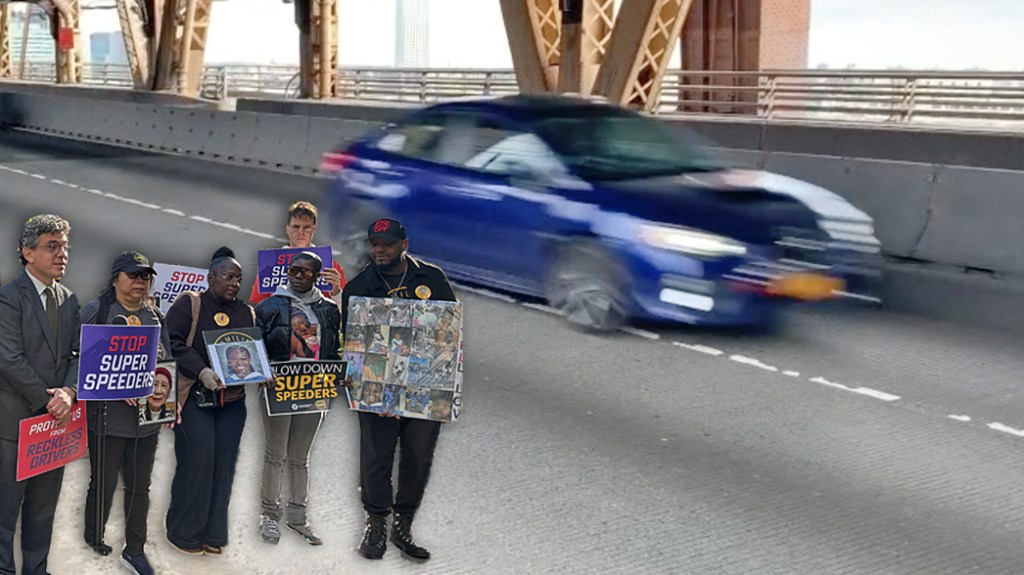
But the legislature — again, not the governor in an omnibus budget — could simply require any driver who kills or injures someone with his car to use an autonomous vehicle for a set period of time. Super speeders and other repeat offenders can be subject to a similar punishment plan. This would be a good use of the technology: a kind of straitjacket on wheels.
But let’s not forget that we know what works to improve safety on the roadways — we just lack the political will to accomplish it, so AVs are the shiny, new toy.
For example, the programming and radar cameras that give AVs their uncanny ability to detect pedestrians and brake before hitting them could be incorporated into regular cars. Speed-limiting devices have long existed — they’re as old as cruise control — but regulators don’t require car makers to install them. Then again, given how badly crashes are reported, evaluated, and learned from, the very first discussion in this whole AV debate should be focused on rethinking and modernizing that antiquated system.
Our lawmakers’ track record with new technologies is quite poor: they botched both the Uber and the e-bike introductions. Let’s hope they learned their lessons and will listen to their communities more than to the lobbyists in order to manage this transition for the benefit of the people.

Read More:
Streetsblog has migrated to a new comment system. New commenters can register directly in the comments section of any article. Returning commenters: your previous comments and display name have been preserved, but you'll need to reclaim your account by clicking "Forgot your password?" on the sign-in form, entering your email, and following the verification link to set a new password — this is required because passwords could not be carried over during the migration. For questions, contact tips@streetsblog.org.