OPINION: Yonkers Experience with Scooters Shows the Way for NYC

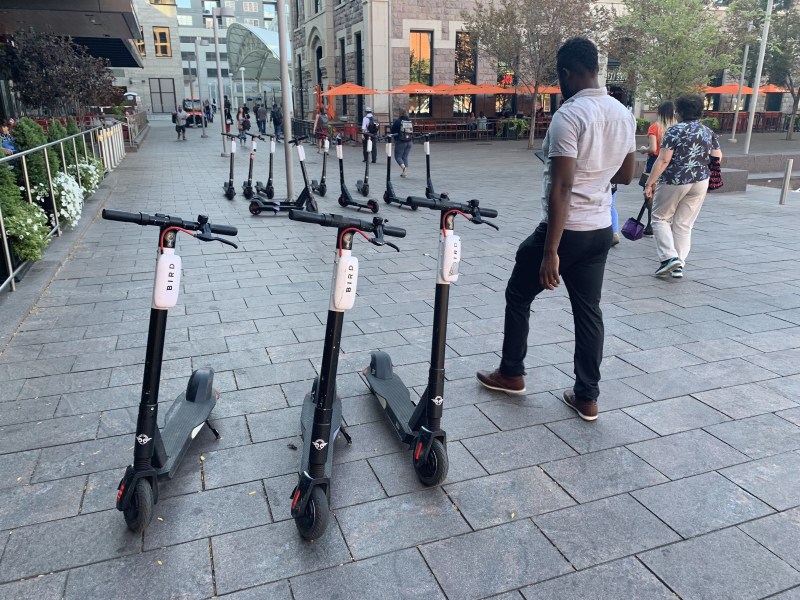
Yonkers Mayor Mike Spano wrote the following op-ed, which was sent to us by Bird, the scooter company that has the exclusive franchise in New York City’s border city. We present it not to champion Bird, but to give a legit perspective on how one decent-sized city benefitted from e-scooter-share programs. New York City’s Department of Transportation is currently deciding which scooter company — including Bird, Link, Voi, Lime, Spin — will create pilot programs outside of Manhattan. As such, Spano’s perspective is invaluable.
Micromobility has found a home in Yonkers.
Years ago, we were proud to be the first city in New York to welcome dock-free public bikes. Then last August, in response to a global health crisis that has dramatically disrupted urban mobility for millions around the world, we moved to initiate the state’s first shared e-scooter program.
I’m pleased to say that the results thus far have been extremely promising not only for our city, but for the future of sustainable transportation in New York State.
In just five months, and in spite of COVID-related restrictions that have limited our social interactions, Yonkers residents have turned to Bird e-scooters to complete nearly 25,000 rides, many of these essential trips. The average distance traveled is just over 1.4 miles, meaning that our residents are relying on micromobility to complete important first-and-last mile trips.
For all of its benefits, however, our e-scooter program has also clearly exposed areas of improvement that must be addressed if we’re to make serious strides towards our ambitious sustainability and traffic reduction goals.
Inter-municipal cooperation
Yonkers shares borders with several villages and municipalities including, most notably, the Bronx in New York City. This is a densely populated area home to numerous business districts, colleges, hospitals, train stations and other attractions that promote movement between municipalities, particularly among the thousands of residents who live along the borders.
There is regional demand for clean, safe transportation alternatives. For the moment, however, shared e-scooters are only permitted within Yonkers’ city limits. This is a frustrating limitation for those whose daily transportation needs don’t end at municipal boundaries. Residents who might otherwise use a Bird scooter to get to a train station or an appointment in a neighboring community are deprived of a perfectly good transportation option and are likely to resort to using a car instead.
We must remember that traffic and parking problems, as well as concerns about air quality, emissions and public health, apply to all cities and villages in our area. Shared troubles are best resolved by collaborative solutions, which is why a more regional approach to micromobility is needed — one that considers the concerns of each municipal entity and uses this information to create a tailored micromobility program that meets the needs of all riders and residents.
Improved infrastructure
Just as important as inter-municipal cooperation is the need for adequate infrastructure to support sustainable modes of transportation.
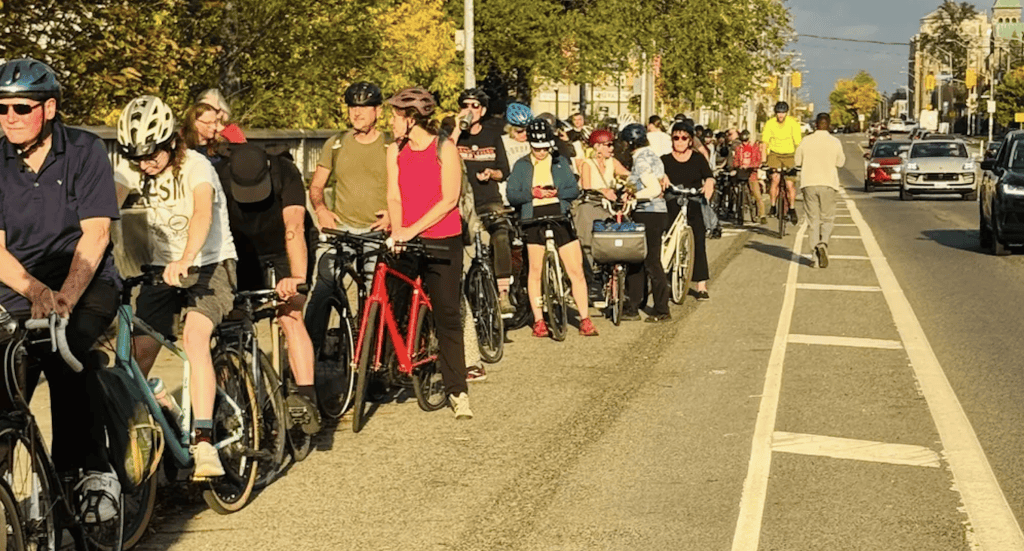
Yonkers hosts several scenic bike and pedestrian pathways that stretch through the city and into its neighborhoods. There is much excitement about the progress being made in developing the Yonkers Greenway in Southwest Yonkers, which will establish a pedestrian connection between Downtown Yonkers and Van Cortlandt Park in New York City. The City of Yonkers also continues to explore additional opportunities to expand protected lanes for on-street riding along our main corridors.
The success of shared e-scooters and bike programs depends largely on projects like these that support a robust, citywide micromobility system. We can be proud of the progress we’re achieving, but cities like Yonkers have an uphill ride ahead in overcoming the many challenges that remain in retrofitting infrastructure for sustainable transportation alternatives.
As we welcome new leadership in Washington, it’s my hope for renewed focus and support for smart, innovative infrastructure investments within our cities. The data tells us that such investments have substantial and long lasting benefits, both for our economy and for our environment.
Addressing these challenges will lay the groundwork for a healthy micromobility ecosystem and a more equitable, accessible and interconnected transportation system overall.
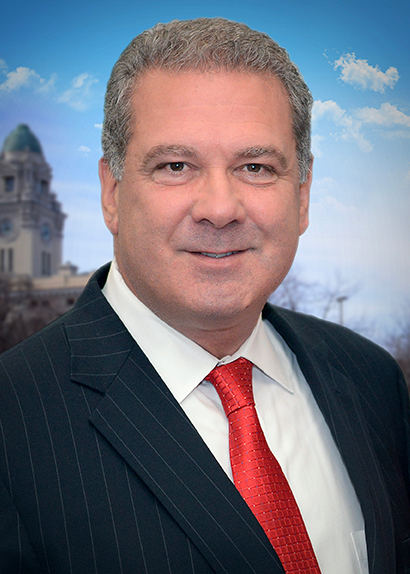
Mike Spano is mayor of Yonkers.

Streetsblog has migrated to a new comment system. New commenters can register directly in the comments section of any article. Returning commenters: your previous comments and display name have been preserved, but you'll need to reclaim your account by clicking "Forgot your password?" on the sign-in form, entering your email, and following the verification link to set a new password — this is required because passwords could not be carried over during the migration. For questions, contact tips@streetsblog.org.