COVID Pandemic Provides Temporary Cure for NYPD Addiction to SUVs
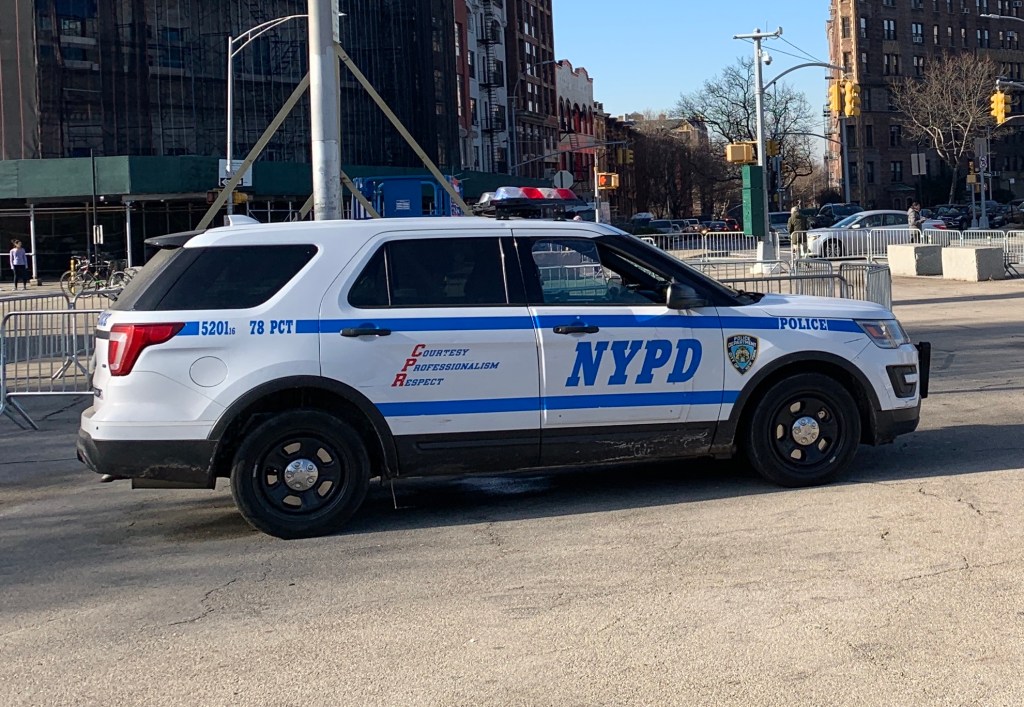
The coronavirus pandemic seems to have had one positive side-effect: it has temporarily broken the NYPD’s deadly SUV-buying fever.
In fiscal year 2020, which just ended on June 30, the NYPD bought fewer new vehicles than it has in decades — and the fewest SUVs by percentage since the agency started shifting to the bigger, bulkier, more intimidating and more dangerous assault cars during the 2010s.
A spokesman for the Department of Citywide Administrative Services said the decrease in overall vehicle purchases in 2020 — roughly half of the 1,100-1,700 vehicles the police department usually purchases in a year — occurred because the “pandemic disrupted the fleet industry” for the last quarter of the fiscal year.
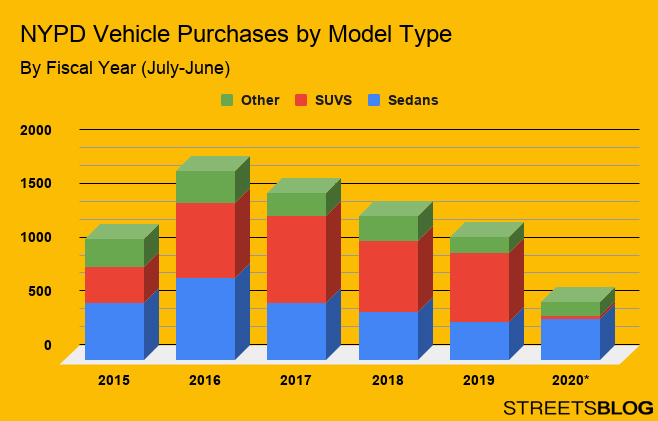
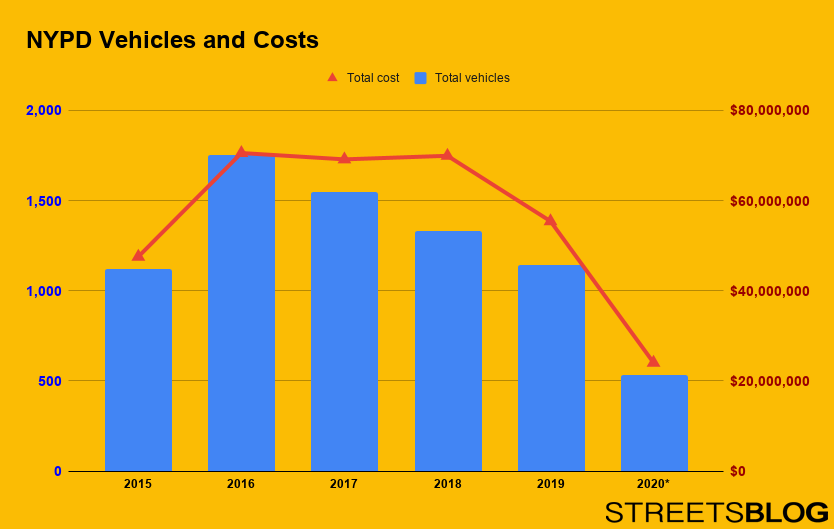
Still, the NYPD has a massive appetite for shiny new wheels, spending more than $335 million on vehicles over the last six years:
In FY2020, the department still managed to buy 534 new vehicles — the majority of them, 380, Ford Police Responder Hybrid sedans, which cost $40,812 a pop. Only 29 new vehicles were SUVs: five Ford Police Hybrid Utility Interceptors (which cost $57,980 each) and 24 Ford Escape Hybrids (which cost $39,711 each).
Those numbers run counter to the NYPD’s buying trend since 2015, when 29 percent of the 1,120 new vehicles purchased that year were SUVs and 47 percent were sedans:
- In FY2016, the agency went on a buying spree, purchasing 56 percent more vehicles and spending 50 percent more money. Of those, 39.5 percent were SUVs and 43 percent were sedans.
- In FY2017, the agency bought 1,549 new vehicles, 52 percent of which were SUVs and 33 percent of which were sedans.
- In FY2018, the ratio was 50 percent SUVs to 33 percent sedans.
- In FY2019, the ratio was 56 percent SUVs to 30 percent sedans. Of the 641 SUVs that the agency purchased, 430 or 67 percent, were those super expensive Ford Police Utility Interceptors, which cost $51,051 each. The 380 sedans that were purchased that year we’re all Ford Police Responder Hybrids, which cost $40,812 each.
As a result of the agency’s shift to larger, more expensive SUVs, the average cost of a new police vehicle has drifted up from $42,465 in 2015 to $48,531 in FY2019.
Streetsblog has asked the NYPD repeatedly why it is buying SUVs, which the Department of Transportation has concluded are far more deadly. But the agency declines to answer. About the best answer we ever got was from late Transportation Bureau Chief William Morris, who said last year that cops “need” their SUVs.
“The department purchases cars based on the particular need,” Morris said in December, saying very little. “We purchase vehicles that satisfy the need of the police department.”
The National Highway Safety Administration has also concluded that SUVs are responsible for a portion of the continued rise in pedestrian deaths, mainly because automakers care more about the occupant of the vehicle than people outside.

Read More:
Streetsblog has migrated to a new comment system. New commenters can register directly in the comments section of any article. Returning commenters: your previous comments and display name have been preserved, but you'll need to reclaim your account by clicking "Forgot your password?" on the sign-in form, entering your email, and following the verification link to set a new password — this is required because passwords could not be carried over during the migration. For questions, contact tips@streetsblog.org.