Will Philadelphia Reverse Its Progress on Parking Requirements?

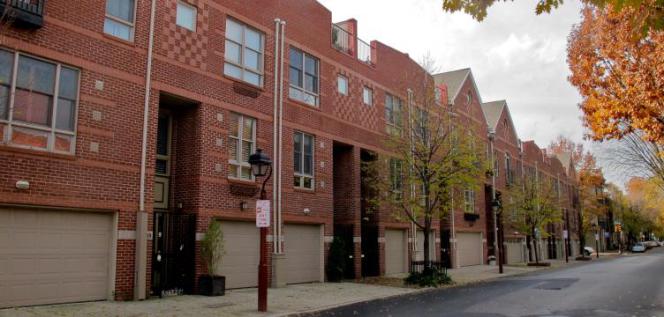
In 2012, Philadelphia slashed minimum parking requirements for new buildings, part of a package of zoning and tax reforms to help the city add housing and development without generating more car traffic.
The policy worked: In Center City Philadelphia, parking lots have been developed into apartment buildings, while parking occupancy rates have dropped.
But policies to encourage housing for people instead of car storage don’t sit well with everyone. For the second time in the last few years, Philadelphia Council Member Jannie Blackwell is pushing to reverse progress on parking requirements and roughly double minimum parking rules throughout the city.
Jake Blumgart at PlanPhilly reports:
Blackwell’s bill would require housing developments built in most multi-family zoning districts to provide six parking spaces for every 10 units of housing. The current law requires three spaces for 10 residences. The increased mandate would affect even the densest zoning districts, which are mostly found downtown and in University City, the commercial heart of Blackwell’s district.
Under the proposed bill, developers would have to provide seven parking spaces for every 10 housing units in industrial-residential mixed use areas like Kensington and Callowhill.
In single-family districts and the most common multi-family district (RM-1), three parking spaces would be required for every 10 housing units, whereas none are required now. Those two categories are how a majority of the city is currently zoned.
Blumgart reports that the city’s Planning Commission voted unanimously against the measure. But Blackwell’s bill might have legs in the City Council, where President Darrell Clarke has proposed something similar in the past.
More recommended reading today: Baltimore Innerspace says that if Baltimore is ever going to build the Red Line light rail project, which Governor Larry Hogan strangled, local politicians need to get serious about advocating for it. And Wash Cycle evaluates the claim that “cyclists are the worst” using actual crash data.

Read More:
Streetsblog has migrated to a new comment system. New commenters can register directly in the comments section of any article. Returning commenters: your previous comments and display name have been preserved, but you'll need to reclaim your account by clicking "Forgot your password?" on the sign-in form, entering your email, and following the verification link to set a new password — this is required because passwords could not be carried over during the migration. For questions, contact tips@streetsblog.org.