Trump Administration Trying to Snuff Out Climate Progress at U.S. DOT

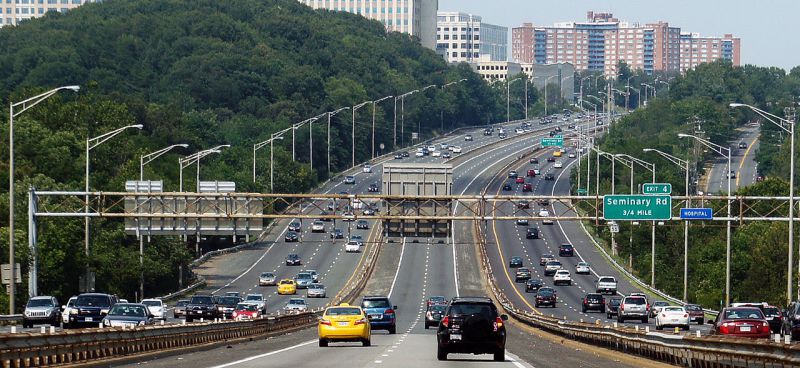
We know that transportation is now the single largest source of greenhouse gas emissions in the U.S. What’s not so clear is how carbon pollution is affected by transportation policies — the way we build and manage roads and transit networks.
That is supposed to change. U.S. DOT enacted a rule at the end of the Obama administration to assess the impact of transportation projects on climate change. But now that rule is under threat from the Trump White House.
Information is what’s at stake with this rule, which requires agencies receiving federal transportation funding to measure their projects’ impact on carbon emissions. Environmental advocates hope that analysis and public disclosure of these climate impacts will lead to more public pressure for transportation policies that reduce carbon.
But, lo and behold, the Trump U.S. DOT is trying to undermine this attempt to better understand and inform the public of the climate impacts of transportation.
The Federal Highway Administration announced it will “indefinitely delay” the carbon reporting rule, according to the Natural Resources Defense Council. So NRDC is fighting back, write staffers Deron Lovaas and Amanda Eaken:
NRDC, Clean Air Carolina and U.S. PIRG challenge this unlawful move because transportation is the leading source of carbon pollution in the United States and our transportation sector produces more carbon pollution than the entire economies of every nation on earth save China, India and Russia. To tackle climate change we must limit pollution from our transportation system—and quickly.
Had the rule taken effect, regions and states would now be engaged in a process to measure—or benchmark—the carbon pollution emitted by vehicles on the national highway system to project how much it would grow in coming decades based on plans that receive federal assistance, and then set targets for reducing that pollution.
U.S. DOT has been claiming that Trump’s Executive Order on Energy renders the carbon rule obsolete. “A couple of months into the new Presidency this EO was signed, and DOT now claims the social cost of carbon guidance is thereby rescinded,” Lovaas told Streetsblog.
The carbon rule emerged from a long process set in motion by the 2012 federal transportation bill. More than 90,000 public comments were submitted while the rule was being drafted, which NRDC believes is a record for FHWA.
It’s not a simple matter to undo these rules, and the precedent during this administration is on NRDC’s side. The EPA was recently ordered by a federal court to enforce a rule on methane pollution the Trump administration had said it would delay for a year.
Now EPA is backing off on ozone. Again: Rules are rules. They’re hard to kill. They’re not even that easy to ignore. https://t.co/zqrI8LsKQ2
— Michael Grunwald (@MikeGrunwald) August 2, 2017

Read More:
Streetsblog has migrated to a new comment system. New commenters can register directly in the comments section of any article. Returning commenters: your previous comments and display name have been preserved, but you'll need to reclaim your account by clicking "Forgot your password?" on the sign-in form, entering your email, and following the verification link to set a new password — this is required because passwords could not be carried over during the migration. For questions, contact tips@streetsblog.org.