Ferguson Commission Report Calls for Better Transit


The police killing of Michael Brown in Ferguson, Missouri, touched off a protest movement that gripped the country and elevated the profile of racism and police violence as a national issue. It also raised questions about a host of factors that have shaped Ferguson and communities like it: the suburbanization of poverty, inequality, and residential segregation.
This week the state of Missouri released the Ferguson Commission Report, put together by a 16-member panel appointed by Governor Jay Nixon to examine the “social and economic conditions” in Ferguson and recommend a path to make the region “a stronger, fairer place for everyone.” The 150-page report addresses a wide range of issues that have contributed to racial inequity in Ferguson.
One of the group’s key recommendations is for the state and region to improve access to economic opportunity by investing in transit. St. Louis-based Citizens for Modern Transit has more on this aspect of the report:
The Commission directly calls for Missouri to develop a state funding plan for public transportation projects. The report notes that in the St. Louis region, a shortage of funding is a significant reason keeping St. Louis from pursuing any of various transportation proposals and from moving forward with transit expansion. A state funding plan is essential, the report explains, because “State funded transit development matches are required to compete for necessary federal funding and such a plan will make Missouri eligible for federal matching funds for transportation infrastructure. Federal funds, as part of a broader funding plan, are critical to the long-term success of transportation development.”
The report also cites CMT’s recently commissioned Transit Funding study when it calls for stakeholders to work together to determine which transit project(s) the region will prioritize. The report notes that such prioritization is necessary in order for the region to focus resources to successfully expand transit, and to get regional “buy-in” by elevating the importance of key projects for the region and making tangible the need and potential benefits of transit.
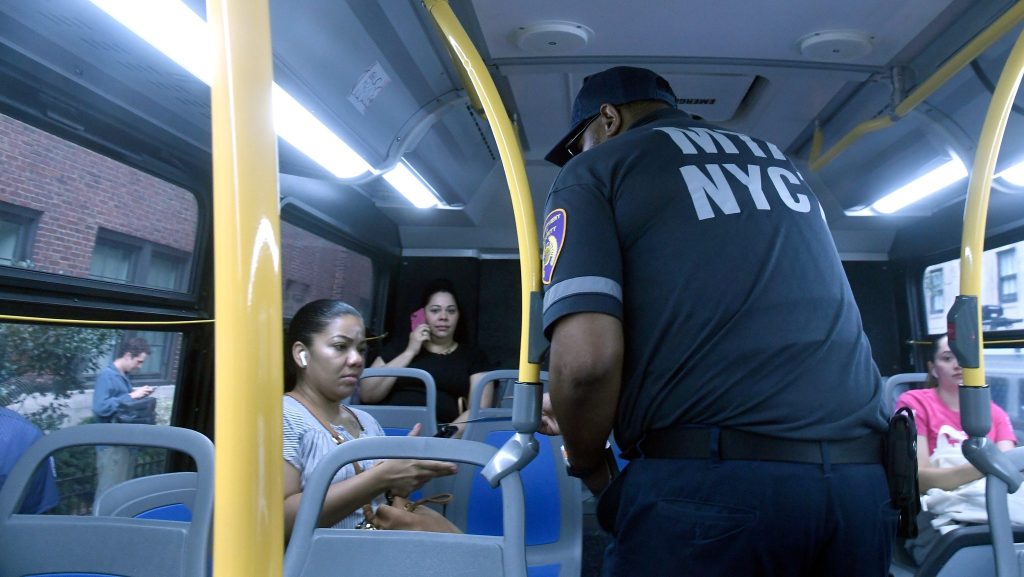
In the full report, the Commission expands upon its recommendations for enhancing access to transit by suggesting that use of public transportation might be incentivized by:
- Implementing a ridership program that educates individuals on how to use the system for work or education trips and demonstrates the possibilities for job access and educational trips and potential personal cost savings;
- Improving bus tracking to enhance the ease with which bus transit can fit into one’s schedule;
- Creating a reloadable transit card that removes the hurdle for exact change for each ride; and
- Enhancing the public transit amenities among current and future bus routes (e.g., bus shelters and benches).
Now we’ll see if the state of Missouri is serious about addressing inequality in the St. Louis region.
Elsewhere on the Network today: Transportation for America outlines a new federal pilot program to support transit-oriented development that just awarded grants to 21 cities. Bike Portland reports that a local advocate for walkable development will remain on his local neighborhood association after a recall effort was narrowly defeated. And NextSTL weighs in on perceptions of “scofflaw cyclists.”

Read More:
Streetsblog has migrated to a new comment system. New commenters can register directly in the comments section of any article. Returning commenters: your previous comments and display name have been preserved, but you'll need to reclaim your account by clicking "Forgot your password?" on the sign-in form, entering your email, and following the verification link to set a new password — this is required because passwords could not be carried over during the migration. For questions, contact tips@streetsblog.org.