

Technology
Top Categories
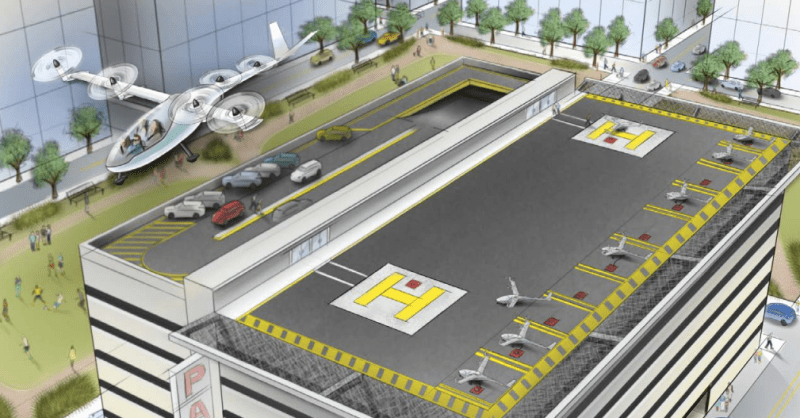
Get Ready for Uber’s “Flying Cars” Conference to Generate Lots of Dumb Headlines
Whizzing above the city may sound appealing in a Jetsons sort of way, but Uber's thinking on this technology is completely untethered from its impact on the cities and towns below, where the people are.

April 25, 2017
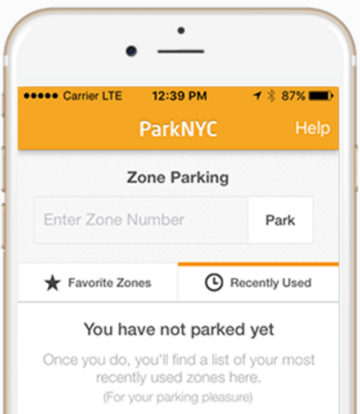
NYC Now Has a Smart Parking Payment App. When Will It Get Smart Parking Prices?
A new mobile platform makes it easier for drivers to pay for street parking, and the added convenience should clear a path for dynamic parking prices that reduce traffic and double-parking. But so far DOT Commissioner Polly Trottenberg has not committed to reforming the price of NYC curb space.

December 19, 2016
Beyond Car Ownership: How Finland Set the Stage for Mobility-as-Service
This October, the Finnish company MaaS Global launched Whim, an app that serves as a portal to a wide array of transportation services. Helsinki residents who sign up for Whim pay a flat fee for unlimited access to transit and get points that can be spent on taxi rides or car rentals.
December 2, 2016
6 Principles to Make Self-Driving Cars Work for Cities, Not Against Them
Self-driving cars are coming, and maybe sooner than we think. But the question of how they will shape cities is still wide open. Could they lead to less traffic and parking as people stop owning cars and start sharing them? More sprawl as car travel becomes less of a hassle? More freedom to walk and bike on city streets, or less?
June 24, 2016
Google Patents “Flypaper” to Save Pedestrians By Sticking Them to Car Hoods
The minds at Google have come up with a novel idea to protect pedestrians in the event of a collision with the company's self-driving cars.
May 19, 2016
High Stakes for Cities as Feds Start Regulating Self-Driving Cars
Last week as part of his State of the Union Address, President Obama announced a $4 billion investment over the next 10 years to test autonomous vehicles and get them ready for the market. Two days later at the Detroit Auto Show, Transportation Secretary Anthony Foxx announced that federal regulators would begin to develop coherent safety regulations for autonomous vehicles -- something industry leaders have been pushing.
January 21, 2016
Can a New Way to Measure Streets Help Advocates Tame Speeding?
You've heard of sensors that can count cars or bikes. Tools like that can help transportation planners make smarter decisions about where bike infrastructure is needed, for example. A new digital tool called Placemeter aims to measure streets at a much more fine-grained level, analyzing a variety of different aspects of movement in an urban environment.
June 29, 2015
10 Cities That Are Getting “Wired Transportation” Right
Which cities are making it easy to catch the next bus without a long wait, hail a ride with an app, or hop on bike-share? According to a new ranking from the Frontier Group and the U.S. Public Interest Research Group, Austin is leading the pack when it comes to embracing technological innovation that helps people get around without being tethered to a car.
February 4, 2015
NYPD Crash Data Now Easier to Use and Updated Daily
The city went live with a major upgrade to NYPD's crash data today. Information about traffic crashes was previously released via difficult-to-use monthly updates posted on the police department's website. Now it's available through a standardized feed updated daily on the city's open data portal, allowing the public to sort crashes by time of day, street, zip code, and borough, as well as by the number of injuries and fatalities.
May 7, 2014
De Blasio Calls For Vision Zero Apps. How Much Data Will He Release?
BigApps NYC, EDC's four-month competition to develop mobile and web applications using city data, is set to launch tomorrow with a mission from Mayor Bill de Blasio to build tools for Vision Zero. The more data the city opens up to developers, the better these apps will be, so the question now is how far City Hall will go to make crash and enforcement information transparent and accessible.
May 6, 2014