MTA Risks Missing Mandate to Switch to Zero-Emissions Buses by 2040: State Audit
Joltin’ Jack!
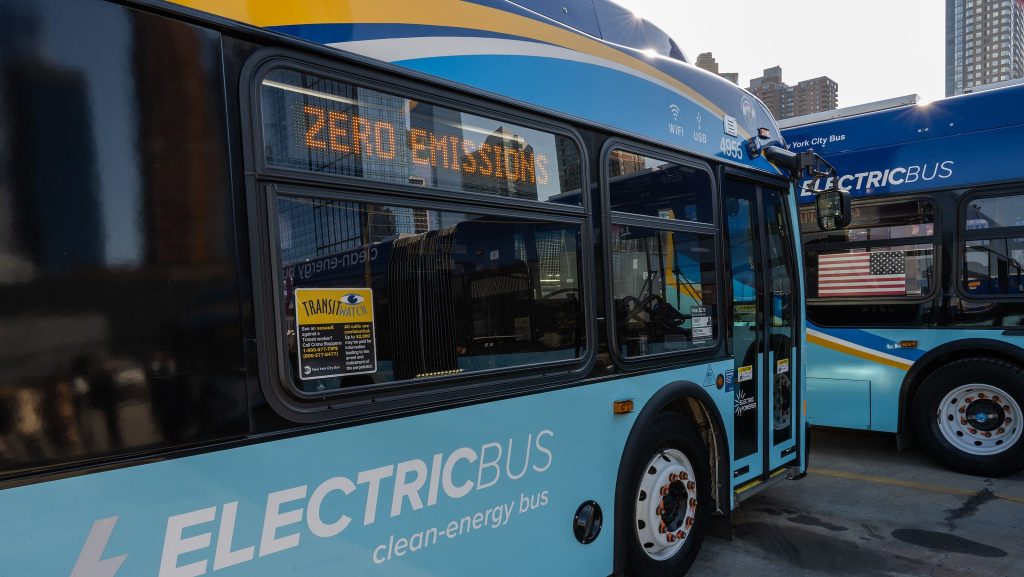
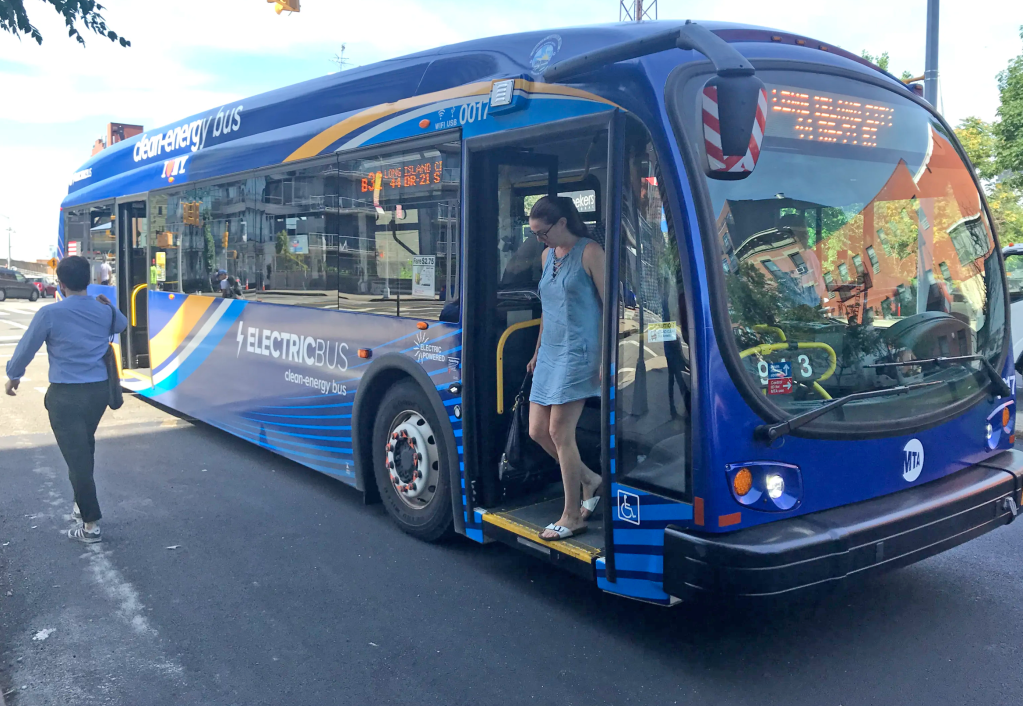
The MTA is far behind schedule in transitioning its entire bus fleet to zero-emissions buses by a state-imposed deadline of 2040, due mostly to ongoing issues with keeping its fleet of electric buses on the road, according to a new audit from the Empire State’s chief fiscal officer.
The zero-emissions fleet transition audit, published by State Comptroller Tom DiNapoli, found the MTA is lagging behind on several initiatives, such as equipping bus depots for battery-electric buses and ensuring that mechanics and drivers know how to repair and operate the buses. But the primary reason that state might miss the 2040 deadline is a lacking supply of electric buses.
“As of June 2025, the MTA had only one [battery-electric bus] manufacturer that met its standards, with limited capacity and a backlog of orders from the MTA and other customers,” the state watchdog wrote in the audit. “The 2024 [Zero-Emission Bus Transition] Plan called for 485 of the next 500 buses to be delivered by the end of Stage 1, but as of June 2025, the MTA had received only one bus. In addition, the MTA has reduced the number of buses for Stage 2 of the program from 1,000 to 500.”
If the MTA wants to replace its entire fleet with electric or other zero-emissions buses within the next fourteen years, DiNapoli’s report argued that the agency must stop buying gas-powered buses by 2028 at the latest. This is because the recommended useful lifespan of a bus is twelve years. But the agency’s current fleet of electric buses can’t actually live up to its service needs.
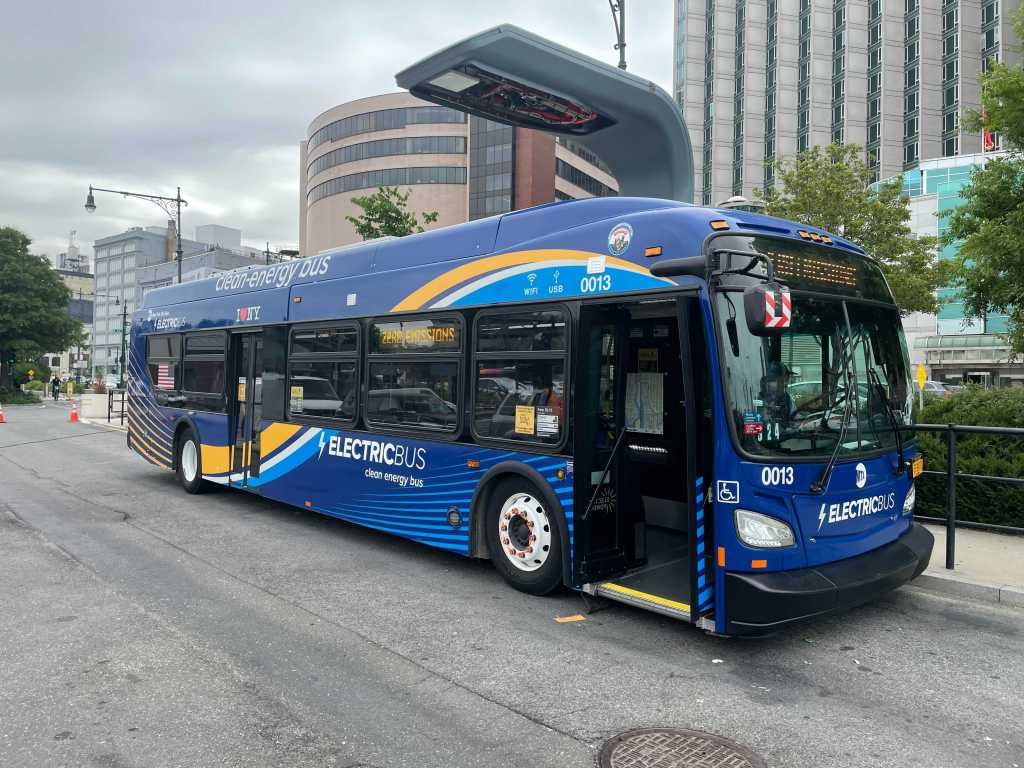
The audit looked at the performance woes of the 75 electric buses that the MTA currently owns and operates out of five depots, and found the electric buses “were placed on shorter routes and were not put into service as frequently as anticipated.”
Whether the buses were 40-foot electric buses or 60-foot electric buses, the audit found the best performance from buses at the anonymized depots came from 40-foot buses running out of one of the depots that managed to stay on the road only 56 percent of the time they were expected to. At another depot, the electric buses could only stay on the road 42 percent of the time they needed to.
The audit suggested the MTA could look into building more on-street chargers to keep buses on the road more reliably — an idea the comptroller borrowed from a pair of unnamed transit agencies his office spoke with. But the MTA disagreed with this solution, according to DiNapoli, because the agency had to enter lengthy negotiations with other city and state agencies to install a single on-street charger.
The comptroller spoke to six transit agencies in total, inside and outside of New York State to understand the experiences those agencies have had with electric buses. DiNapoli’s office found that the MTA was not alone in its growing pains with electric buses, and New Flyer electric buses in particular. Three agencies told the comptroller that buses they purchased from New Flyer experienced maintenance issues severe enough to remove them from service, and that the buses were likely to be recalled due to problems with batteries or that they had issues with sensors that were supposed to detect battery temperatures.
Outside of the issues with New Flyer, the audit discovered several opportunities for the MTA to improve. DiNapoli found one bus depot’s failure to upgrade its power supply prevented it from charging more than one bus at a time. The same depot needed to be repaired and strengthened to safely operate the future bus fleet, which will be heavier due to the larger electric batteries that power the buses.
The audit also found that there was no proof that 21 of 247 bus operators working in depots that use electric buses, or 8.5 percent, had taken a training class that specifically goes over how to operate electric buses and deal with battery issues and other emergency situations. Auditors also found that 19 out of a sample of 35 bus maintainers, or 54 percent, had not taken required high-voltage awareness training.
DiNapoli recommended that the MTA develop a contingency plan if it doesn’t meet the zero-emissions fleet requirement by 2040 and re-evaluate its timeline for buying and deploying the buses.
The MTA is under the gun to hit the 2040 deadline because of internal and external pressures. In 2018, then-New York City Transit President Andy Byford publicly pledged that the agency would have an all-electric bus fleet by 2040, though he did leave the MTA an out by saying it depended on how mature the market and technology for the buses got. In addition, in 2022 Gov. Kathy Hochul issued an executive order calling on every state agency to transition its medium and heavy-duty vehicles to zero-emissions vehicles by 2040.
The MTA has spent the last couple of years talking about the problems it’s had with keeping its current batch of electric buses on the road. In 2025, the agency paused an order on 205 electric buses that it was planning to accept for delivery that year due to the fact that the New Flyer buses it did have couldn’t make it through a day of service.
This year, the agency continued to push off accepting New Flyer electric buses because the manufacturer had not figured why its batteries couldn’t hold a full day’s charge or why certain electric components failed during bus service. As a result of delaying the orders for new electric buses, the agency also chose to buy clean diesel buses to replace some of its aging fleet rather than continue using older, less reliable buses that require much more maintenance work to keep on the road.
Given that the MTA has also been talking about how to figure out what to do about its electric bus problem, agency leadership didn’t take much issue with the audit.
“This report basically just repeats what’s already been said at several MTA board meetings, which is the electric buses that we have tested so far, have not been up to standards,” said MTA Chairman and CEO Janno Lieber. “But we are on track to improve emissions, and we are committed to maintaining rapid progress on that. But it does depend on the electric buses, or hydrogen buses which we’re also testing, panning out.”

Read More:
Streetsblog has migrated to a new comment system. New commenters can register directly in the comments section of any article. Returning commenters: your previous comments and display name have been preserved, but you'll need to reclaim your account by clicking "Forgot your password?" on the sign-in form, entering your email, and following the verification link to set a new password — this is required because passwords could not be carried over during the migration. For questions, contact tips@streetsblog.org.