OPINION: Why We Must Eliminate Placards — And Here’s How We’ll Do It

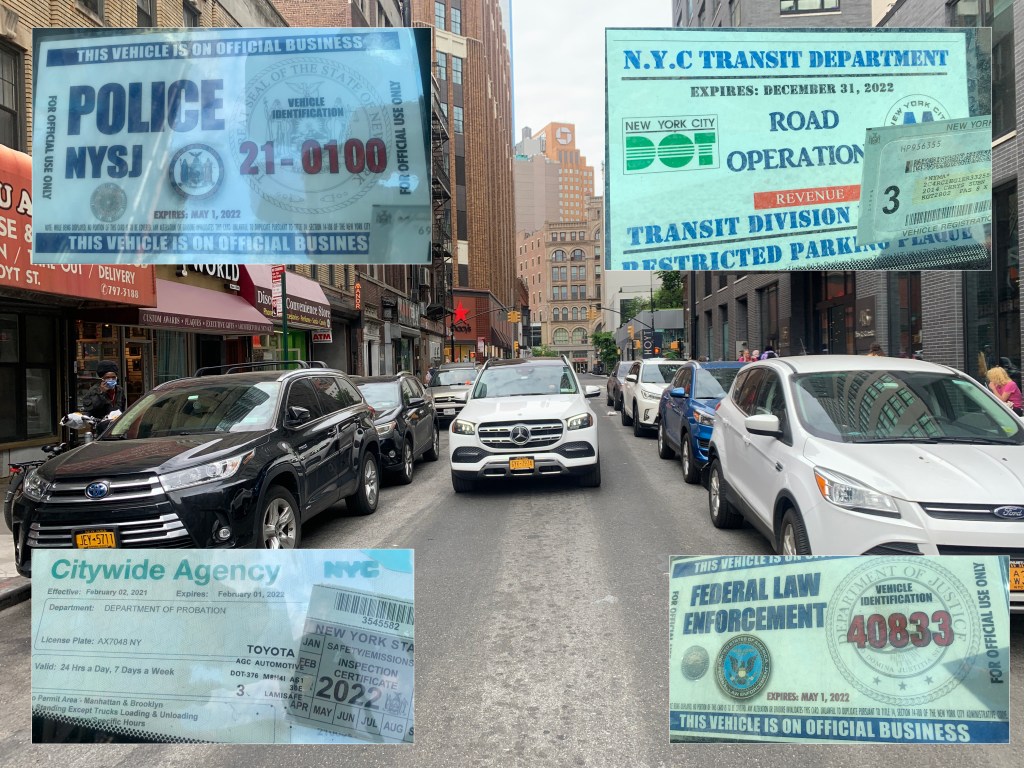

Every day, thousands of government officials and city contractors abuse their privilege in neighborhoods across New York City by using government issued or fake placards to park illegally. This is not just an abuse of power, it’s a public safety risk and nuisance — cars illegally obstruct pedestrian space, endanger cyclists, and take away public parking.
This behavior is rampant throughout the boroughs but due to the high density of government office buildings, Downtown Brooklyn in the 33rd Council District is the epicenter of this abuse and capital of placard corruption. This is particularly maddening as it is the most transit rich area in New York City outside of Manhattan.
To address this issue we need to stop issuing placards and actually enforce against illegal placard activity. We’ve introduced two key pieces of legislation in the New York City Council to achieve these two goals.
Our bill would revoke all placards issued to individuals for their personal vehicles if they do not have government plates, unless those placards are collectively bargained or granted due to disability.
Passing this legislation would eliminate roughly 60,000 placards issued by the City of New York annually to federal, state, and city agency employees, including the NYPD. In many instances, these placards go to non-emergency agencies such as the Department of Finance, and are abused every day by workers who park their personal cars illegally instead of taking mass transit.
Right now, placard corruption is widespread, and we need citizens to be empowered to report abuse when they see it in order to hold public officials accountable. We introduced a version of former Council Member Stephen Levin’s bill to allow citizens to report instances of public employees engaging in placard abuse to the Department of Transportation and result in a civil penalty.
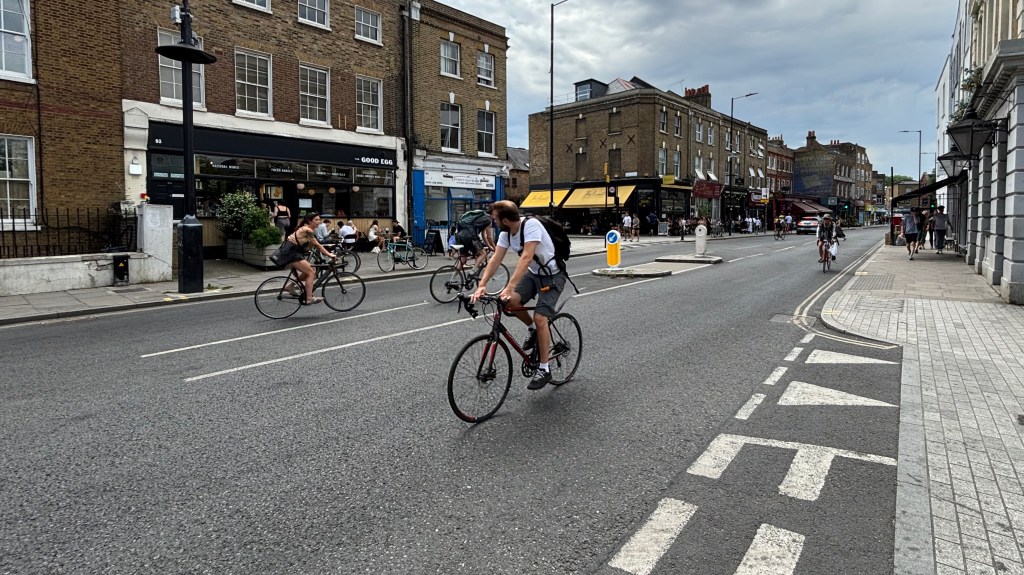
Every day, placard abuse forces neighbors using wheelchairs to navigate unsafe sidewalks, cyclists to go up against oncoming traffic, and parents to push strollers into the street. We have one of the most well connected subway and bus systems in the world — there’s no reason someone needs to drive their car to work only to block a bike lane or sidewalk all day long.
City employees should work for the public, not the other way around. That’s why I’ve refused a placard as a City Council member, and it’s why the Council needs to pass this legislation to revoke placards, empower citizens, and end placard abuse once and for all.
Lincoln Restler, a former de Blasio administration official, is now Council Member for a large swath of Downtown Brooklyn, Williamsburg and Greenpoint. Prior coverage of his fight against placards is here.

Streetsblog has migrated to a new comment system. New commenters can register directly in the comments section of any article. Returning commenters: your previous comments and display name have been preserved, but you'll need to reclaim your account by clicking "Forgot your password?" on the sign-in form, entering your email, and following the verification link to set a new password — this is required because passwords could not be carried over during the migration. For questions, contact tips@streetsblog.org.