California’s Prop 22 Is a Massive Handout To Unsustainable Transportation — And It’s Coming Here, Soon
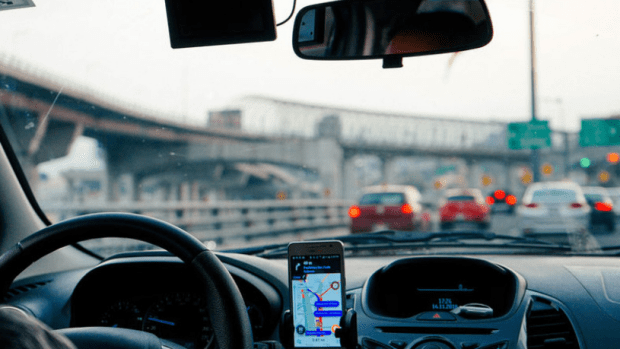
California’s just-passed Proposition 22 could amount to not just an abuse of worker’s rights, but could pave the way for one of the biggest government handouts to car dependence since the birth of the federal highway system — and a similar law could be coming to a state near you soon.
Following a $205-million campaign by companies like Uber and Lyft — likely the most expensive ballot measure in the history of the United States — California voters passed ballot the ballot initiative on Tuesday, which will allow e-taxi giants to treat their drivers as independent contractors rather than full employees deserving of crucial employer-sponsored benefits.
The result will functionally steal benefits from drivers — and by extension, cheat the American social safety net, by allowing the companies to shirk their responsibility to contribute to Social Security and other employer-supported benefit programs.
Worse, the fine print of the measure also specifies that Prop 22 cannot be overturned without a whopping seven-eighths of the state legislature’s approval, which basically guarantees it will become a permanent fixture of California law — despite the fact that Californians voted to give gig drivers benefits just last year.
The victory was immediately decried by progressives as an assault on worker protections in the midst of a pandemic, when access to healthcare and death benefits are more important than ever. But some sustainable transportation advocates pointed out that if Prop 22 becomes a national standard — something DoorDash CEO Tony Xu has already declared is his company’s goal — it could also deal a devastating blow to public transit, whose riders have been slowly been tempted away from fareboxes by artificially low e-taxi prices, according to studies.
Researchers at UC Berkeley estimated that Uber and Lyft alone will save a combined $115 million a year on unpaid employment benefits thanks to Prop 22 — and as the pandemic very recently reminded us, those huge costs can all too easily fall to the American taxpayer when gig economy drivers need access to basic social supports usually provided by employer contributions.
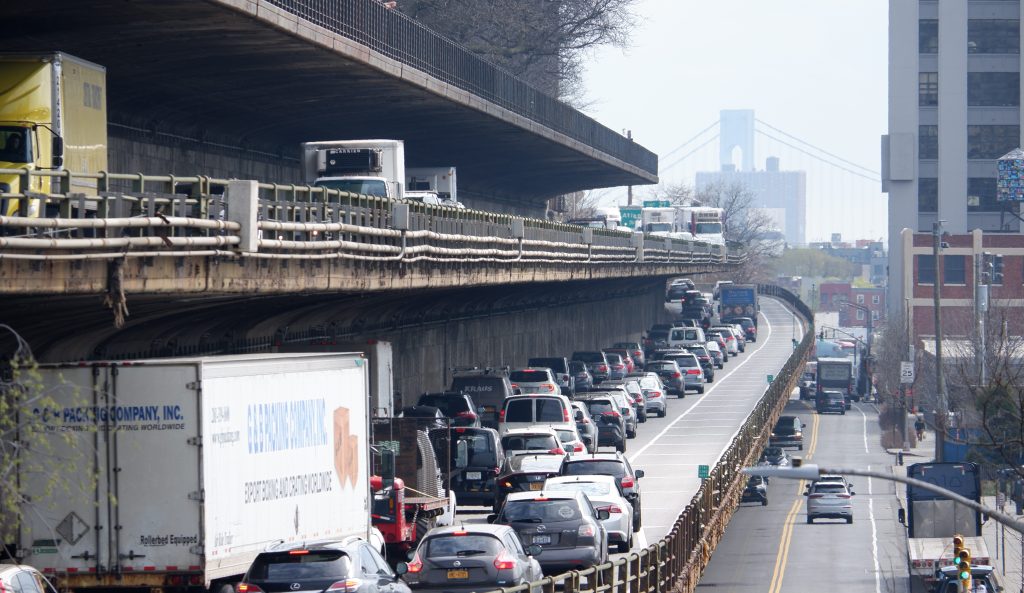
That’s a serious public subsidy for what is arguably the least sustainable mode of transportation on our roads. Because of practices like driver “deadheading” (read: circling the city looking for a fare), the average Uber or Lyft trip is responsible for 69 percent more carbon emissions than the trip it displaces, including trips taken in single occupancy cars.
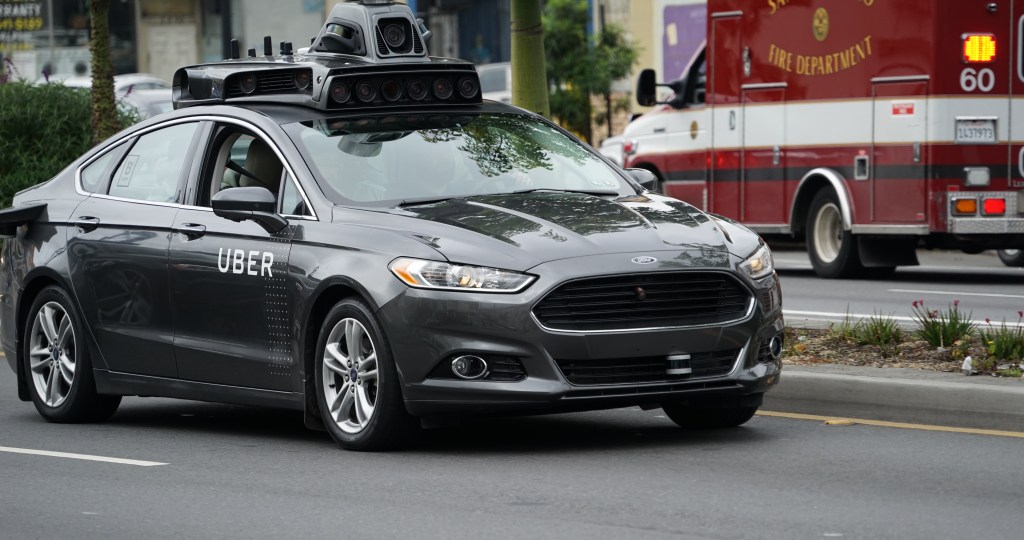
Unless autonomous vehicle technology takes a massive leap forward in the near future — which would be terrible news for road safety, congestion, and emissions, and anyway looks more and more unlikely — some believe that the e-taxi industry is bound to crash as soon as the VC funding dries up. But that may not happen soon: Uber and Lyft gained $13 billion in combined market value following the passage of Prop 22, and are reportedly already readying challenges to anticipated labor reform legislation in states like New York, New Jersey, Massachusetts and Illinois.
Progressive labor advocates are steeling themselves to fight back — and progressive transportation advocates should be, too.

Read More:
Streetsblog has migrated to a new comment system. New commenters can register directly in the comments section of any article. Returning commenters: your previous comments and display name have been preserved, but you'll need to reclaim your account by clicking "Forgot your password?" on the sign-in form, entering your email, and following the verification link to set a new password — this is required because passwords could not be carried over during the migration. For questions, contact tips@streetsblog.org.