DOT Expands ‘Green Wave’ for Cyclists as City Prepares to Reopen
And now for something completely different — better cycling.
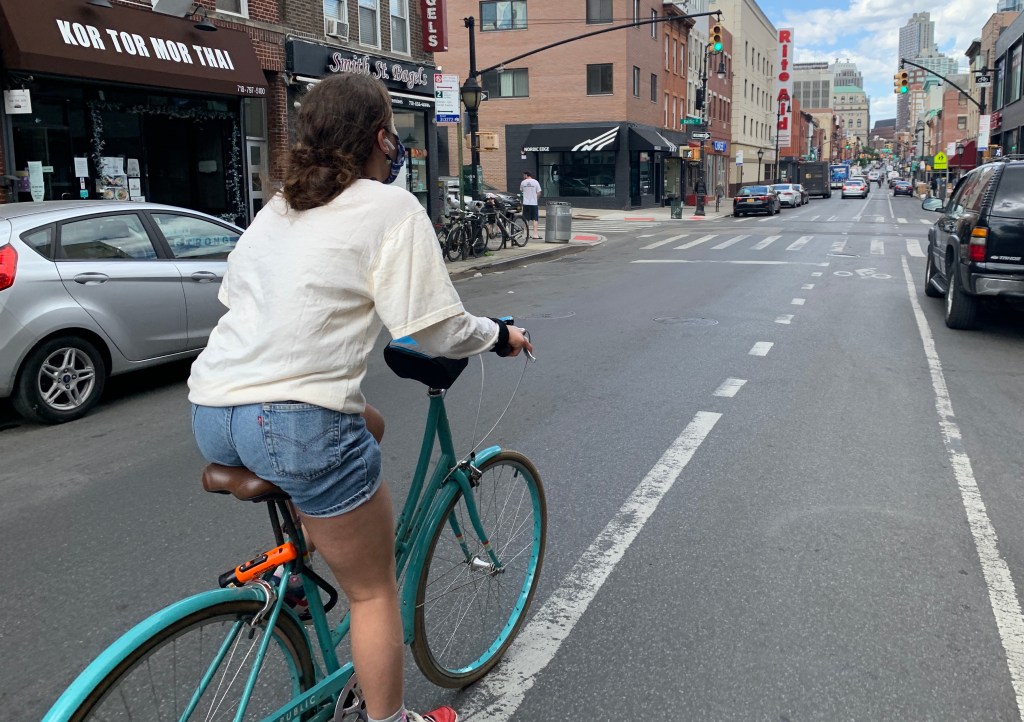
The Department of Transportation has retimed the traffic lights on two more roadways to favor cyclists instead of car drivers, bringing to seven the number of so-called “green wave” strips citywide that give cyclists more safety and a better riding experience.
The new strips are Smith Street from Bay to Schermerhorn streets in Brooklyn and E. 138th Street between Bruckner Boulevard and the Grand Concourse in the Bronx. Those join existing green wave streets* that were installed last year and earlier this year along Hoyt and Bond streets and Clinton Street in Brooklyn, Prince Street in Soho and 43rd Avenue in Sunnyside, Queens.
DOT Deputy Commissioner Eric Beaton said the goal was to “get more people cycling” by giving riders a better experience by prioritizing their movement and slowing down the drivers who might be inches away.
“In the long run, we want more people cycling. and we want it to be safe,” he said. “But, especially now, as New York reopens [with Phase I on June 8], we don’t want people to feel like they need to get in a car. We want them to see that a bike is a great, socially distanced form of transportation.”
The green wave is a small, quick way of sending that message.
“We want people to feel like it’s just the best ride,” he added.
Streetsblog tested the green wave along Smith Street and found that a rider cycling at normal speed could now go from Third Street to Schermerhorn Street on one green light. Drivers have not gotten used to the new light timing, and still tend to accelerate to red lights, believing that it will turn green for them. A recent refresher visit to the green-wave stretch of Hoyt Street between State and Baltic streets in Brooklyn, which was created last year, showed that drivers have learned that they need to slow down if they want their own green wave, giving the unprotected bike lane a new feeling of safety because drivers are not moving nearly as recklessly as before.
Beaton said that the agency wishes it could be doing more street safety projects now — both in quantity and in complexity — but the coronavirus crisis has made it difficult to coordinate construction crews and neighborhood outreach.
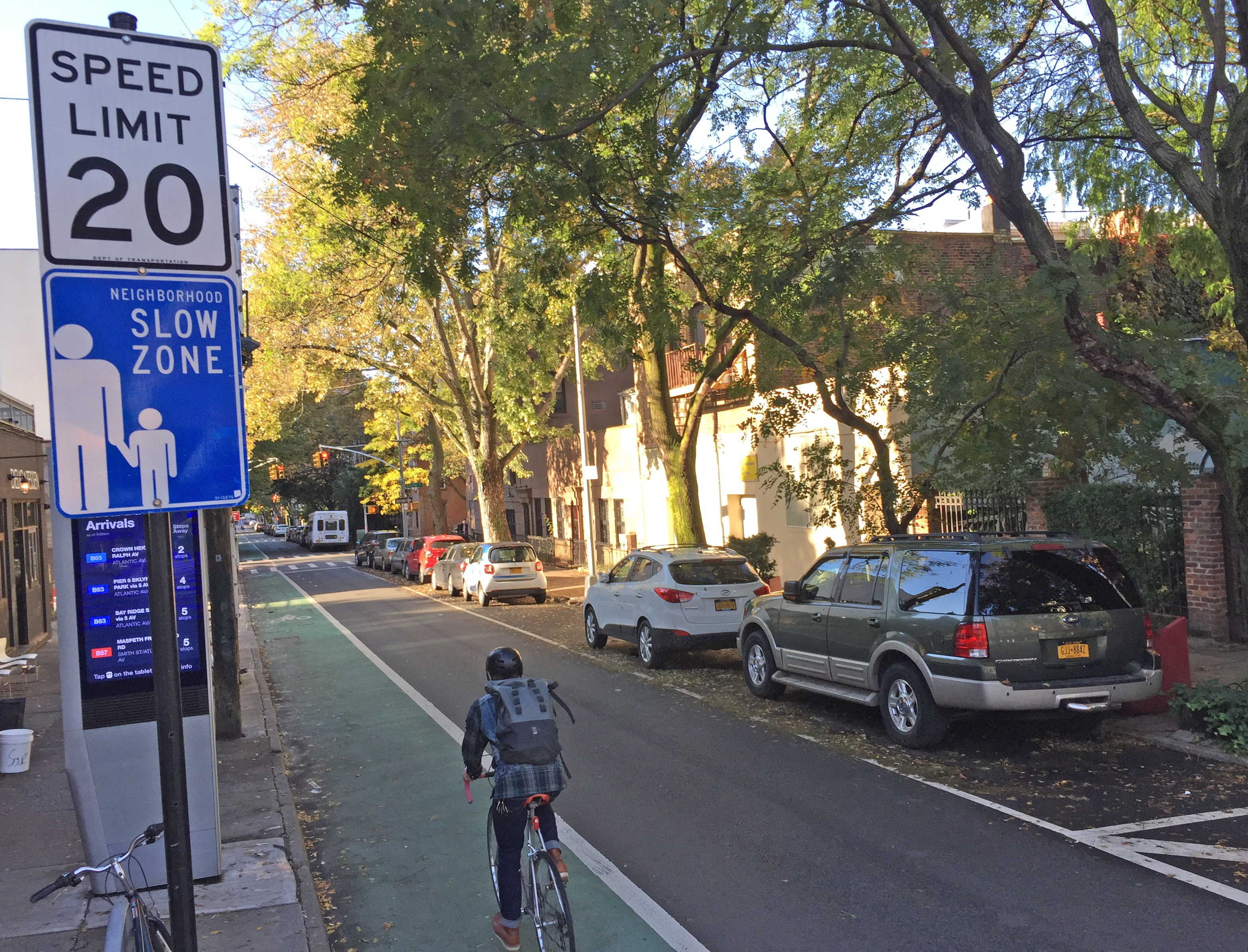
But the legwork for green wave timings is mostly desk work.
“So much of our team of signal engineers is working from home, and this is mostly work that can be done from home,” he said. “The analysis can be done from a desk, though someone does go to the location as well.”
Of course there “will be more,” he added.
“We want a great cycling network in the city,” he said. “We want it to be safe and comfortable. In some places, that will mean parking-protected bike lanes or capital projects. But also on neighborhood streets. It’s not a good cycling experience to keep stopping and starting, and we want to make cycling better.”
He said that Mayor de Blasio’s budget cuts to the DOT did not mean the agency was done for the year, though it still seems unlikely that the city will install anywhere near the 30 miles of protected bike lanes it had promised before the coronavirus crisis. The virus itself has been a persistent problem.
“I can’t understate how much it hit our operational side,” Beaton said. “Our entire operations staff is still just a skeleton crew. We’re not all the way back. and there still has to be a lot of social distancing [which affect] our operational limits.”
* The DOT added “green wave” street light timing to Court Street between Schermerhorn and W. Ninth Street in Brooklyn, but Streetsblog does not recommend cyclists using commercial Court Street because it lacks additional improvements for cyclists beyond the light timing. That said, slowing down drivers to 15 miles per hour is a benefit of its own.

Read More:
Streetsblog has migrated to a new comment system. New commenters can register directly in the comments section of any article. Returning commenters: your previous comments and display name have been preserved, but you'll need to reclaim your account by clicking "Forgot your password?" on the sign-in form, entering your email, and following the verification link to set a new password — this is required because passwords could not be carried over during the migration. For questions, contact tips@streetsblog.org.