The GOP Case for Cutting Federal Transit Funding Isn’t Principled — It’s Tribalism

With Republicans controlling the White House and Congress, the Heritage Foundation’s dream of slashing federal funds for transit, but not highways, is dangerously close to becoming real policy. Trump’s budget outline [PDF] calls for ending a key source of transit funding because “transit projects would be funded by the localities that use and benefit from these localized projects.”
The insistence that transit is a local priority while highways are a national concern has become an article of faith in the world of right-wing think tanks. But today highway spending mostly serves the same type of trips that Republicans purportedly believe are inappropriate for federal funding, writes Jeff Wood at The Overhead Wire:
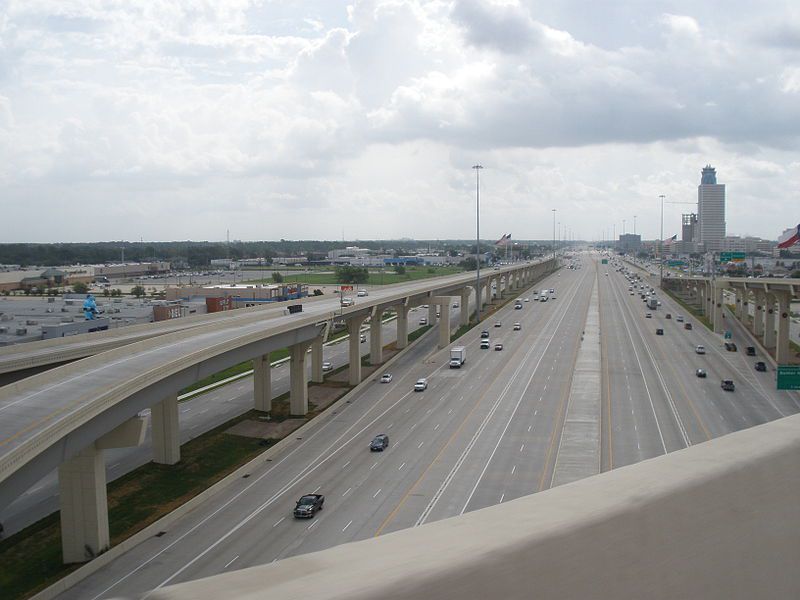
The only thing that is truly national in scope are the parts of the highway system that are outside of major cities where trucks conduct interstate commerce. The majority of traffic in cities are not trucks just passing through. It’s traffic for regional trips. Houston’s I-10 is now 26 lanes west of the 610 loop, those were created for the Louisiana to New Mexico traffic right?
But aren’t most transit trips commute trips as well? And isn’t interstate commerce done by train on tracks freight rail companies own and pay property taxes on? Should trucking companies be paying for the roads the operate on or do we see them as a public good?
We can flip this back and forth and argue what is “national in scope” all day I’m sure. The point is that it’s often based on ideology and what is virtuous in the eye of the person doing the analysis. In a true libertarian world they’d have a user fee on everything. But I’m not sure how that works on local streets or things we want to incentivize like say, using more compact transportation modes for traveling into a dense city center because that’s where economic activity happens due to agglomeration effects.
More recommended reading today: The Urbanist considers the failure of Seattle’s bike-share, Pronto, which was shut down last week. And Smart Growth America says that contrary to the spin from national media, cell phones are not what’s causing the spike in pedestrian deaths around the U.S.

Read More:
Streetsblog has migrated to a new comment system. New commenters can register directly in the comments section of any article. Returning commenters: your previous comments and display name have been preserved, but you'll need to reclaim your account by clicking "Forgot your password?" on the sign-in form, entering your email, and following the verification link to set a new password — this is required because passwords could not be carried over during the migration. For questions, contact tips@streetsblog.org.