DC’s Scaled-Back Parking Reforms Still Way More Ambitious Than NYC’s

For five years, Washington, DC, has been preparing a comprehensive rewrite of its zoning code — including the elimination of parking minimums in areas well-served by bus or rail. Under pressure from opponents afraid it would make it harder for them to find on-street parking, DC planning chief Harriet Tregoning announced on Friday that the city will scale back its parking reforms. Now, parking mandates will be eliminated only in downtown and adjacent neighborhoods, and halved along transit-accessible corridors.

The news is undeniably a setback for parking reform in DC, prompting local urbanists to question whether giving ground on parking minimums is a good strategy, and if it might have been better to aim higher from the beginning.
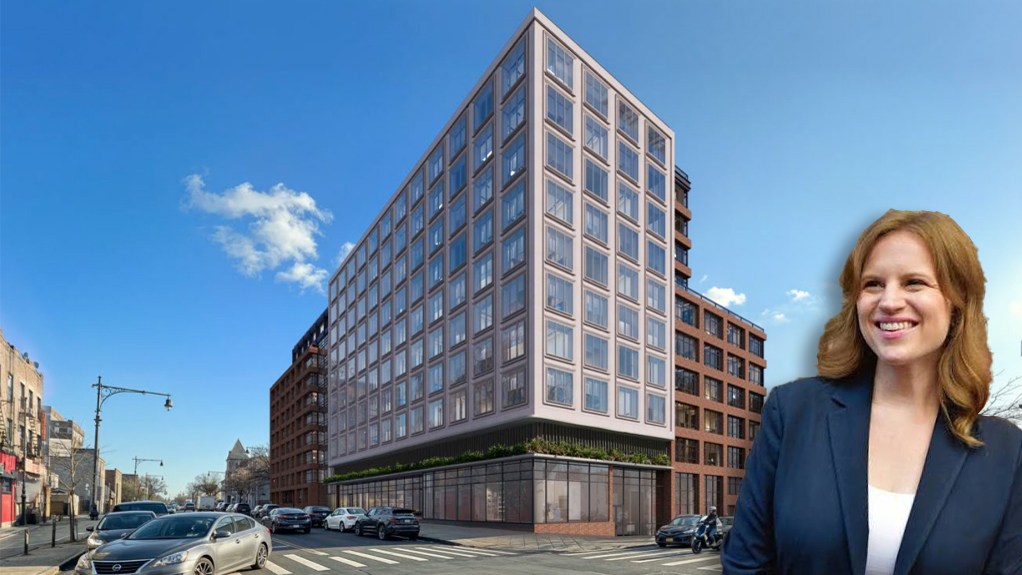
From New York, though, the perspective is different. Even the scaled-back version of DC’s parking reforms seems like an ambitious, large-scale proposal compared to the timid changes coming from the Department of City Planning under Amanda Burden.
New York’s only significant reform of parking minimums under Burden and Mayor Bloomberg was to halve the requirements in Downtown Brooklyn, one of the nation’s most transit-accessible business districts. A few years ago there was some buzz about reducing parking requirements for “inner ring” neighborhoods — which would have been roughly equivalent to what’s on the table in DC now — but that ultimately went nowhere. Parking mandates remain in effect almost everywhere in the city aside from Manhattan south of 110th Street.
To implement a New York version of what’s currently on the table in DC, the city would eliminate parking minimums in downtown Brooklyn and cut them in half near subway stations and major bus routes throughout the city. But despite New York’s far more extensive transit system, the Bloomberg administration has by and large refused to touch the rules that require developers to build new parking — a system that makes traffic worse and drives up the cost of housing for everyone. Instead, the administration uses the guarantee of new parking to assuage residents worried about the impact of new development.
At a public meeting last month about converting the Sheridan Expressway to a surface street, one resident was worried that the plan, which would open up new land for development, would reduce the amount of available parking and lead to a parking crunch. “There are requirements under the zoning resolution as to how much parking is required,” replied Ted Weinstein, director of Bronx planning at the Department of Housing Preservation and Development. The resident had his question answered, and didn’t raise the issue again.
What if Bloomberg’s sustainability plan, PlaNYC 2030, had included the elimination of parking minimums near transit, like DC originally proposed? Maybe that would have been weakened by politics, the same as in DC. But scaled-back reforms are better than no reforms.

Read More:
Streetsblog has migrated to a new comment system. New commenters can register directly in the comments section of any article. Returning commenters: your previous comments and display name have been preserved, but you'll need to reclaim your account by clicking "Forgot your password?" on the sign-in form, entering your email, and following the verification link to set a new password — this is required because passwords could not be carried over during the migration. For questions, contact tips@streetsblog.org.