Dutch Planners School U.S. Cities on Bikeability

In the Netherlands, 30 percent of trips under five miles are by bike.

I know, I know, Euro-envy can get a little old. So the Dutch are trying to give us a little less to be jealous of. What if our streets were as bike-friendly as theirs?
We could get there. Our trip patterns aren’t dramatically different from theirs: most trips in this country are under four miles, or 20 minutes by bike. But here, people drive those short distances. What would it take to get more of us to go by bike?
In September, the Dutch embassy facilitated collaborative workshops between Dutch and local planners and engineers in Toronto and Chicago, evaluating bike facilities in those cities and making recommendations for improvements. This week, they gave their report card to Washington, DC. Next year: Miami and San Francisco; possibly Baltimore and Memphis.
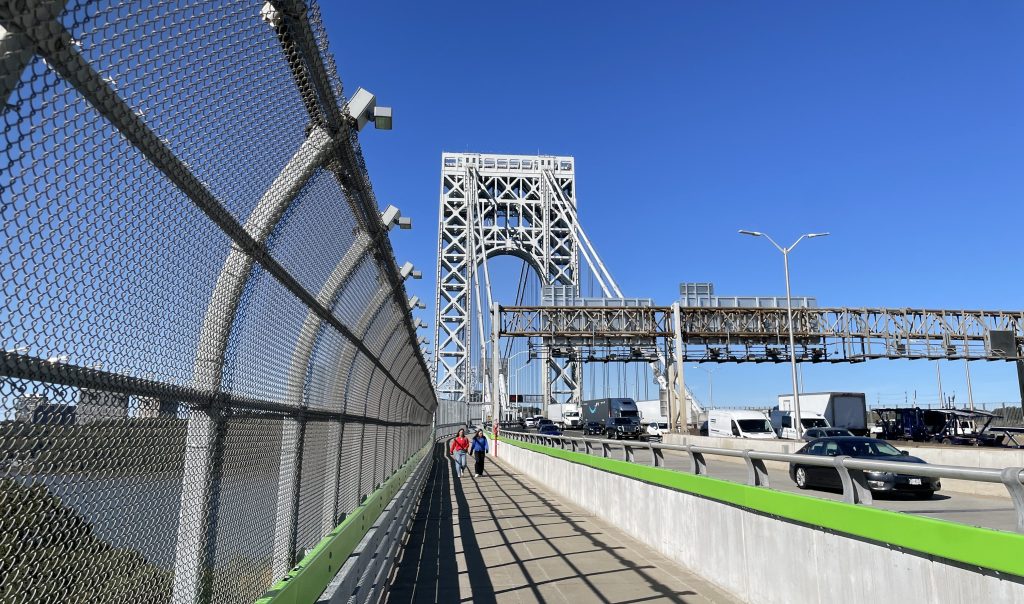
They give specific recommendations for specific intersections and corridors, guided by principles of continuity and bi-directionality. Bikes, the Dutch like to say, flow like water. In DC, their suggestions included two-way cycle tracks (even on one-way streets) with buffers separating them from traffic, expanding public plaza areas, installing bike signals, bike-only connections where roads cut off, sharper turns at intersections, colored bike lanes and more.
As Cor van der Klaauw, a Dutch cycling planner, said, “I think most of the bikers from Holland, when they will cycle in your country, will think, ‘well, there are no facilities.’” But he also said he found some impressive bike innovations in DC – “We learned a few things which we can take back to Holland.”
On a national scale, there are things we can do to boost bike ridership. They’re not necessarily as sexy as cycle tracks but the Dutch visitors say they make a difference.
They say we make it too cheap to drive. Getting a driver’s license is cheap. Gas is cheap. Parking is cheap. Excise taxes on car purchases: cheap.
And we get our kids started off wrong by driving them to school every day. The Dutch planners say the U.S. doesn’t invest enough in school buses, and our streets often aren’t safe enough for kids to bike to school. In the Netherlands, 50 percent of trips to school are made by bicycle.
Rep. Tom Petri (R-WI), a co-chair of the Congressional Bike Caucus, told DC workshop attendees, “We are engaged in a bipartisan war against couch potatoes here in the United States. I think it’s been won for some considerable time, for a variety of reasons, in the Netherlands.”

Read More:
Streetsblog has migrated to a new comment system. New commenters can register directly in the comments section of any article. Returning commenters: your previous comments and display name have been preserved, but you'll need to reclaim your account by clicking "Forgot your password?" on the sign-in form, entering your email, and following the verification link to set a new password — this is required because passwords could not be carried over during the migration. For questions, contact tips@streetsblog.org.