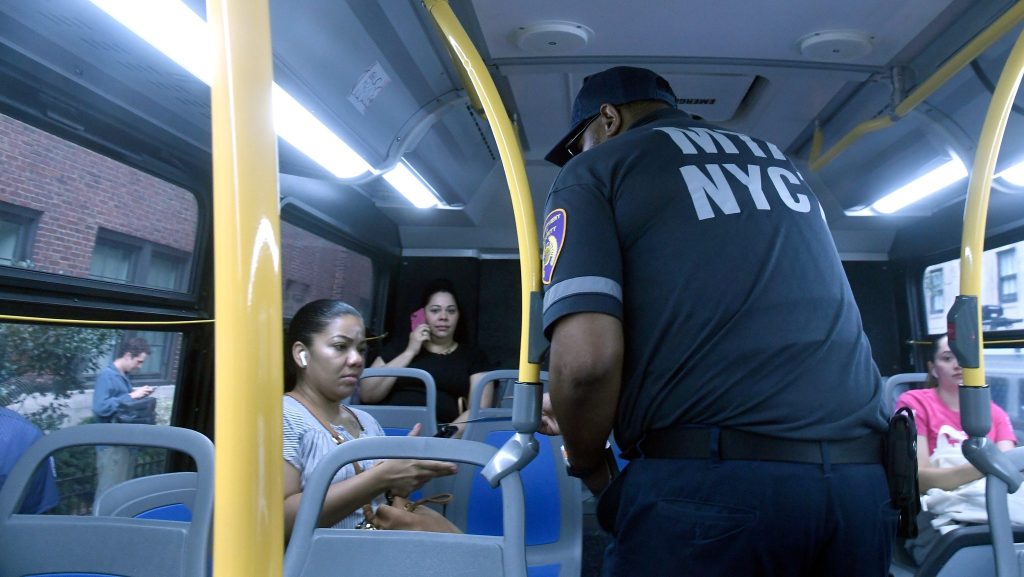
The Challenges in Getting Transit Funded

One of the most unusual members of the Streetsblog Network is the Santa Rosa CityBus blog, written by staffers from the municipal bus system in that Northern California city and “intended to highlight for the public some of the activities, efforts and challenges of operating a bus system in a mid-size California city.” It’s a laudable — and rare — effort by a transit agency to create some accountability and transparency for riders.
 Usually, the tone of the blog is pretty positive. But yesterday, transit planner Joanne Parker was feeling burned by an experience she had with a reporter from a Bay Area television station, KTVU, who had called her about some of Santa Rosa’s requests for federal stimulus money:
Because of KTVU’s decision to portray the City of Santa Rosa and Santa Rosa CityBus as irrational money-grabbers, with “questionable judgment”, we here at CityBus have spent part of today fielding angry phone calls from our concerned citizens. So far, none of our citizens have ended our conversations angry and all have had a greater understanding of our priorities and the process that is underway. For the record, a full list of City of Santa Rosa project requests that are pending at this point in the federal stimulus process will be presented to the Santa Rosa City Council on March 10th.
The KTVU report seems determined to present a select few items from stimulus wish lists in the most negative light possible. The CityBus proposal for modernizing fareboxes, which Parker writes would “provide service more efficiently (thus lowering operating costs) and would enable us to provide customers with better service on the street
(better route planning and more fare options, such as day passes),” is mentioned only quickly, and without any of the explanation that Parker says she provided.
The post demonstrates the kind of battle that transit systems face when explaining the importance of the services they provide to the public and the media. And in California, as network member Transbay Blog reports, these systems are already under terrific financial pressure, with the state on the verge of eliminating State Transit Assistance funds.
Around the country, transit ridership is up and service is being cut. Hopes that the stimulus package would provide meaningful relief for these vital systems have been dashed. Today, David Leonhardt of the New York Times continues to press for answers to the reasoning behind the reluctance to fund transit:
[T]he stimulus bill does not include operating funds for mass
transit. Instead, the bills would pay for new construction, of both new
transit projects and highways. Why?…The main reason seems to be a fear that giving federal funds to transit agencies will make them fat, happy and inefficient.
That answer isn’t good enough, and organizations like Transportation for America — as well as the bloggers of the Streetsblog Network — are going to continue to expose the faulty thinking it represents.

Read More:
Streetsblog has migrated to a new comment system. New commenters can register directly in the comments section of any article. Returning commenters: your previous comments and display name have been preserved, but you'll need to reclaim your account by clicking "Forgot your password?" on the sign-in form, entering your email, and following the verification link to set a new password — this is required because passwords could not be carried over during the migration. For questions, contact tips@streetsblog.org.