NYPD: Closing Manhattan Tow Pound Will Make Streets More Dangerous for Cyclists and Worse for Bus Riders
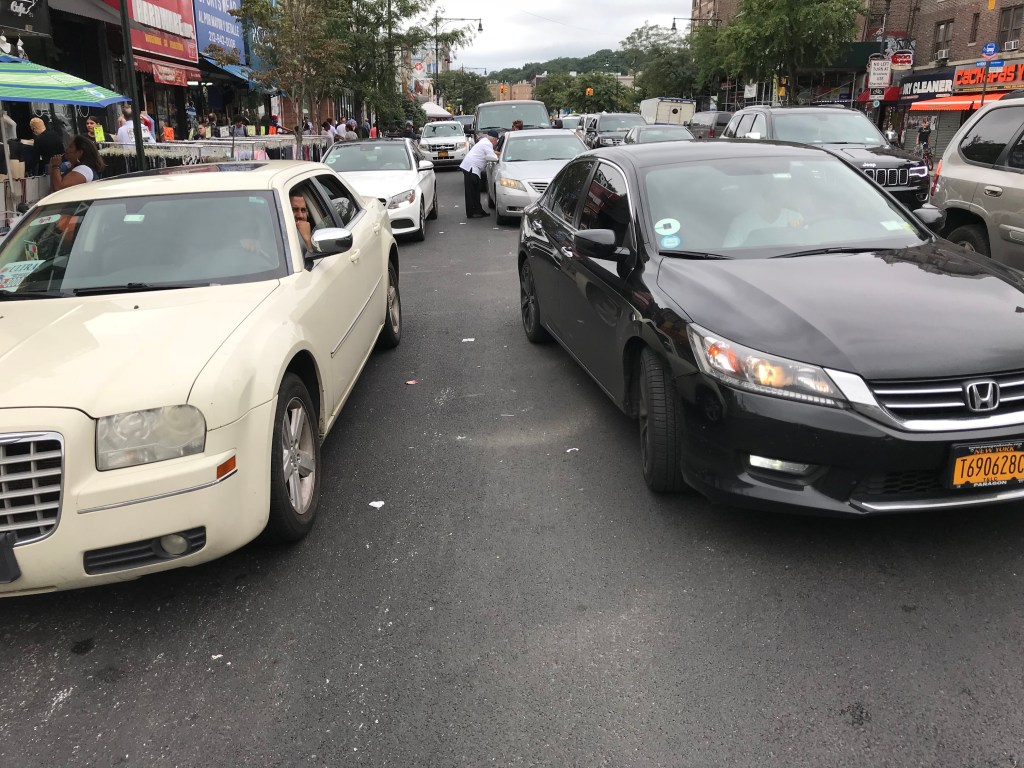
Gov. Cuomo’s plan to kick the NYPD tow pound off a Manhattan waterfront pier will put cyclists and pedestrians in danger by making it harder for cops to get illegally parked cars off the road and out of the way, a top police official told the City Council on Wednesday.
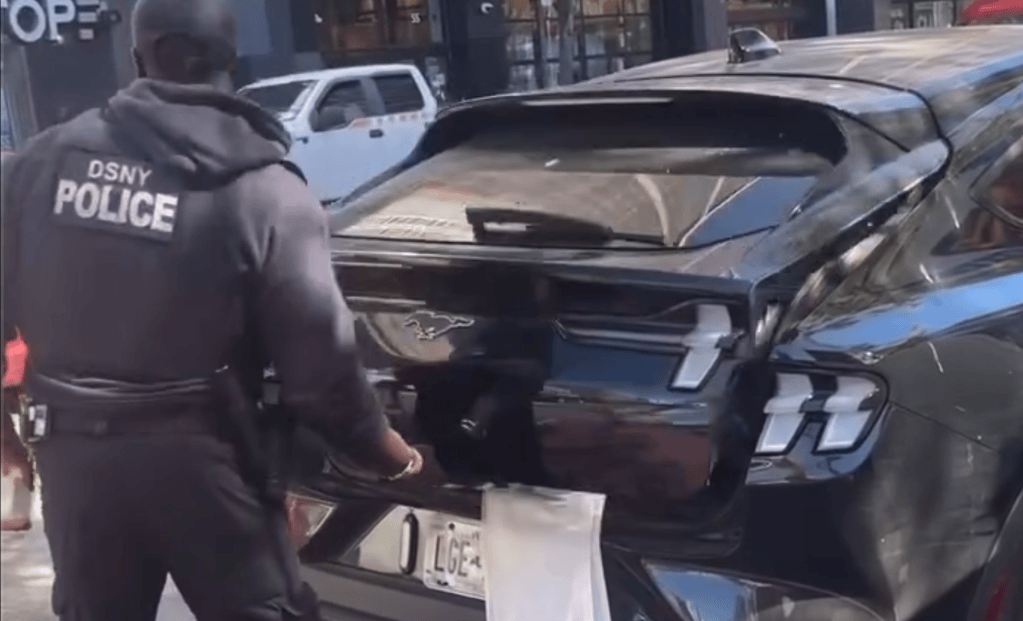
Transportation Bureau Chief William Morris blasted Cuomo for announcing what he called an “unrealistic” pipe dream to shutter the Pier 76 tow pound in Hudson River Park by the end of the year, as part of a larger plan to make room for more green space and boost development. But without those spots, the NYPD will be forced to waste time driving across boroughs, and won’t have the capacity to remove all of the vehicles that force cyclists into traffic, delay bus riders or endanger people hoping to be rescued from a fire.
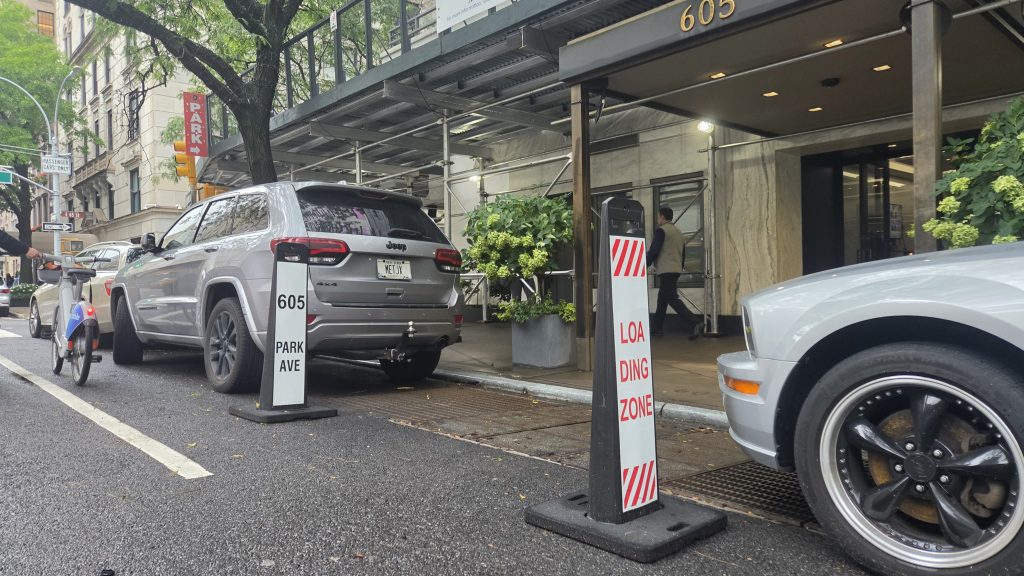
“Every hour a tow truck spends on the road traveling to and from a distant pound is an hour that car blocks a fire hydrant, bike lane, or a bus lane,” said Morris, commiserating with cyclists who often feel neglected by cops. “Every space taken in Brooklyn, Queens, and the Bronx tow pounds for cars towed from Manhattan is one more car that cannot be removed in the outer boroughs.”
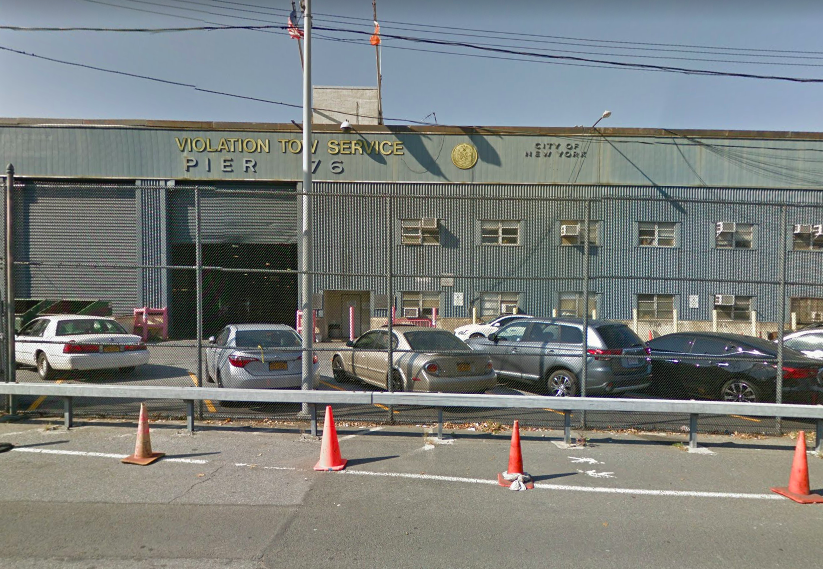
Currently, police can tow a vehicle and haul it to city tow pounds in Brooklyn, Queens, the Bronx, and the one on Pier 76 at West 38th Street and the Hudson River, for infractions that include double-parking, parking near a fire hydrant, not paying for a meter, or blocking a tunnel, intersection, bus lane or bike lane. The NYPD did not respond to requests for comment about how many spots are in each of the department’s four lots.
Last year, Morris said NYPD towed 50,000 cars to the Manhattan tow pound alone — it takes in roughly 195 cars a day, and most owners come pick up their vehicles within a day, according to a community board presentation obtained by The City.
The imminent closure of 230,200-square-feet of space in Manhattan for seized cars means the NYPD will only have the remaining three — which will drop to two in a few years because the one in the Bronx is slated to be closed to make way for a smaller, community-based jail as part of the city’s plan to close Riker’s Island.
Cuomo announced the long-stalled plan to close the Manhattan tow pound as part of his budget earlier this month, and the NYPD initially seemed on board, saying it was working with the city and state to relocate.
But on Wednesday, Morris came out swinging against the plan and said there is no where else in Manhattan that can accommodate the number of towed cars.
“There simply is no other viable surface-level alternative location in Manhattan that can handle the volume of vehicles,” he said.
Morris said the NYPD commissioned a study through the Department of Design and Construction to come up with other options, which include building multi-level parking garages. The study is due in February, according to Morris.
Towing the cars of scofflaw drivers is essential for keeping roadways clear of dangerous obstructions that force cyclists into traffic, but also slow down buses. A proposal by Brooklyn Council Member Brad Lander to seize vehicles whose drivers rack up multiple red-light or speed-camera violations in any 12-month period will require substantial space to put the towed vehicles, but Lander’s spokeswoman said the proposed closure of Pier 76 “doesn’t affect the discussions we’re having about capacity.”
A state park honcho said that the NYPD doesn’t need a lot that overlooks the beautiful Hudson River to store towed vehicles, and can find another space.
“Clearly there is another parking lot they can find as opposed to the Hudson River Pier, which is one of the most beautiful and valuable parcels in New York City, so the pier can be used for park purposes as the City promised the West Side community over 20 years ago,” said Park’s Commissioner Erik Kulleseid.
The state will fine the city up to $12 million should the tow pound remain on the pier after the 2021 deadline to move off, according to the state’s budget.

Read More:
Streetsblog has migrated to a new comment system. New commenters can register directly in the comments section of any article. Returning commenters: your previous comments and display name have been preserved, but you'll need to reclaim your account by clicking "Forgot your password?" on the sign-in form, entering your email, and following the verification link to set a new password — this is required because passwords could not be carried over during the migration. For questions, contact tips@streetsblog.org.