States are Losing Millions in Biking and Walking Funds

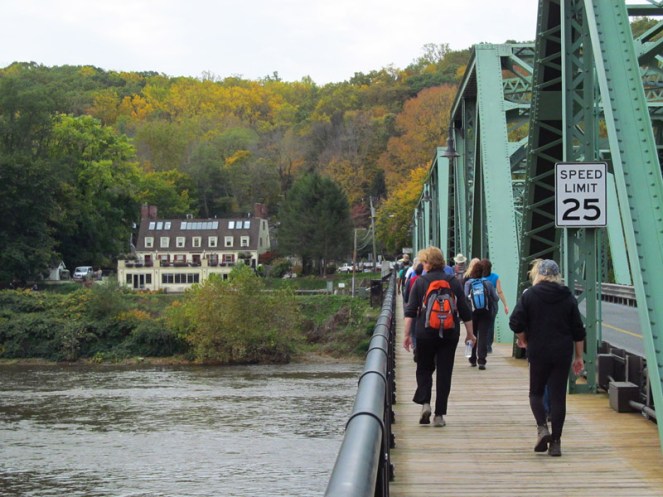
Hundreds of millions of federal dollars set aside to build desperately needed sidewalks, bike lanes or trails are instead being squandered by states through mismanagement, active disinterest or simply because they can, a new study reveals.
About $635 million in funding sent to states and regional planners under the federal “Transportation Alternatives Program” has been shifted toward road projects over the last five years. Another $23 million was simply forfeited altogether just in the last two years because it was not spent in time, according to the report by the Rails to Trails Conservancy.
In total, states and metropolitan planning organizations receive about $850 million a year — or 1.8 percent of federal surface transportation funding — for biking and walking. And demand for the money is high. Only about half the of the 5,000 or so projects that applied for funding in 2017 got it.
Even so, many of the agencies charged with administering the funding don’t seem very interested in doing what it takes to dole it out.
“Lots of states are doing a great job. And lots of states are doing a poor job,” Kevin Mills, RTC’s Senior Vice President of Policy told Streetsblog. “It reflects the degree of priority and political will the program is given within the implementing agency.”
One of the big offenders is New Jersey, according to Rails to Trails. The Garden State, for example, let $6 million in biking and walking funding lapse by not spending it by the four-year deadline.

Rails to Trails officials said they advised New Jersey to transfer the funds out of the program into another walking and biking program that wouldn’t be subject to the deadline — as Oregon and some other states do — but New Jersey refused. Now another $12 million that could be used for trails is in danger of being lost, the Bicycle Coalition of Greater Philadelphia is reporting.
Texas also does not prioritize the program. The state transferred $150 million — that could have been spent on biking and walking — to roads and other projects between 2013 and 2018.
(A detailed summary of how much money each state transferred is available on page 29 of this report. Forfeited money is on page 26.)
Michigan is one of the best states for taking advantage of TAP funds by creating an ongoing pipeline of projects and allowing localities to submit for funding even before it becomes available from the feds, Rails to Trails says. Such strategies ensure that there will be enough grantees for all the available dollars, even if some projects fall behind schedule because of unexpected delays with land acquisition or engineering.
Prior to 2012, much less biking and walking money was falling through the cracks, with just only $192 million in funding relinquished over the prior two decades.
But MAP-21, the federal transportation bill that passed in 2012, weakened federal support for walking and biking, thanks to Republican lawmakers who wanted to kill the program outright. They did not succeed. but were able to impose a 30-percent funding cut and weaken the program by allowing up to 50 percent of TAP funds to be transferred to other uses such as highways. The bill also imposed the four-year deadline for spending the money. The millions being squandered now are a result of both that bad policy and poor administration, says Mills.
“After MAP-21 … It became super easy to either intentionally or by weak administration to find yourself letting the money go one way or another,” said Mills.

Read More:
Streetsblog has migrated to a new comment system. New commenters can register directly in the comments section of any article. Returning commenters: your previous comments and display name have been preserved, but you'll need to reclaim your account by clicking "Forgot your password?" on the sign-in form, entering your email, and following the verification link to set a new password — this is required because passwords could not be carried over during the migration. For questions, contact tips@streetsblog.org.