Did Your State Forfeit Federal Funds for Walking and Biking?

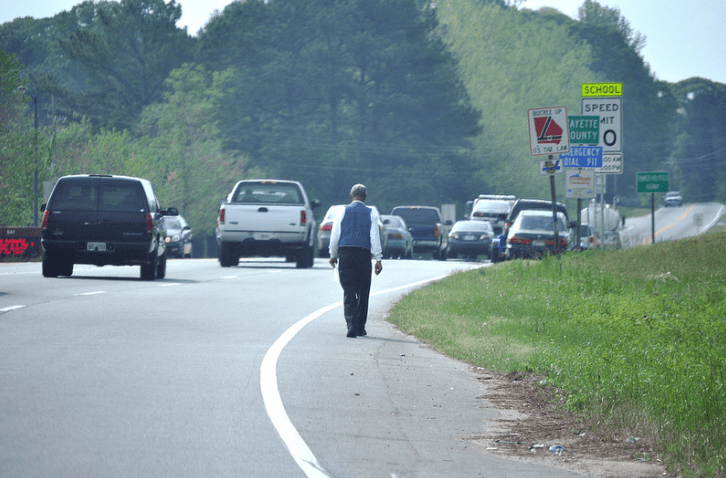
Millions of dollars that should have gone toward building safer sidewalks or bike lanes near schools were instead forfeited by state DOTs that couldn’t get their acts together.
That’s according to data compiled by the Safe Routes to School National Partnership. The 2012 federal transportation bill gave states four years to spend funds from the “Transportation Alternatives” program — the name for small pot of money for walking and biking infrastructure. The hard deadline was October 1.
In total, states returned $28 million intended for biking and walking to the federal government instead of spending to make neighborhoods safer and healthier.
While most state DOTs executed the program properly, a significant number left money unspent. Here are the states that dropped the ball and returned bike/ped money to the feds:
- Alaska: $5.2 million
- Arizona: $1 million
- Georgia: $4.4 million
- Maryland: $2.5 million
- New Hampshire: $2.5 million
- New Jersey: $6.2 million
- North Carolina: $4 million
- South Carolina: $1.3 million
New Mexico, Vermont, Hawaii, Arkansas, and South Dakota also forfeited money, though not significant amounts.
In addition, many states choose to transfer Transportation Alternatives funds to road and bridge projects. In total, states shifted about 18 percent of the funding in the program to projects that are not primarily for walking and biking. Safe Routes has also produced an accounting of these transfers [PDF].
Given the rising number of pedestrian deaths nationwide, it’s unconscionable to leave money on the table. Even small amounts can go far for walking and biking infrastructure.
“States who allowed this to happen forfeited money meant for safety and transportation by simply not planning ahead,” writes Safe Routes’ Deputy Director Margo Pedroso. “Advocates know that there are indeed Safe Routes to School, biking and walking projects that could desperately use these funds, but the state DOT did not fulfill its responsibilities to ensure the TAP money was obligated in time.”

Read More:
Streetsblog has migrated to a new comment system. New commenters can register directly in the comments section of any article. Returning commenters: your previous comments and display name have been preserved, but you'll need to reclaim your account by clicking "Forgot your password?" on the sign-in form, entering your email, and following the verification link to set a new password — this is required because passwords could not be carried over during the migration. For questions, contact tips@streetsblog.org.