Podcast: Subsidizing Congestion With Commuter Tax Benefits

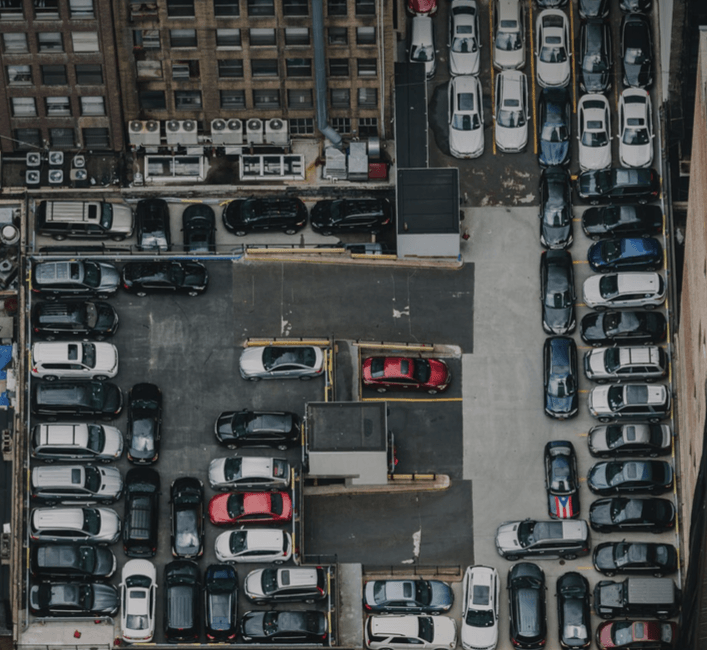
This week we’re joined by Tony Dutzik of the Frontier Group and Steven Higashide of TransitCenter to discuss their new report, “Who Pays for Parking?” The report is an incisive critique of federal commuter tax benefits — specifically the parking benefit, a $7.3 billion annual subsidy that mainly adds incentive for high earners to drive to work in the most congested cities at the most congested times of day.
We discuss the origins of these parking tax subsidies, who benefits from them, and which cities are taking a different approach to parking incentives.

Streetsblog has migrated to a new comment system. New commenters can register directly in the comments section of any article. Returning commenters: your previous comments and display name have been preserved, but you'll need to reclaim your account by clicking "Forgot your password?" on the sign-in form, entering your email, and following the verification link to set a new password — this is required because passwords could not be carried over during the migration. For questions, contact tips@streetsblog.org.