Arlington Makes It Easier for Teachers to Stop Driving to School

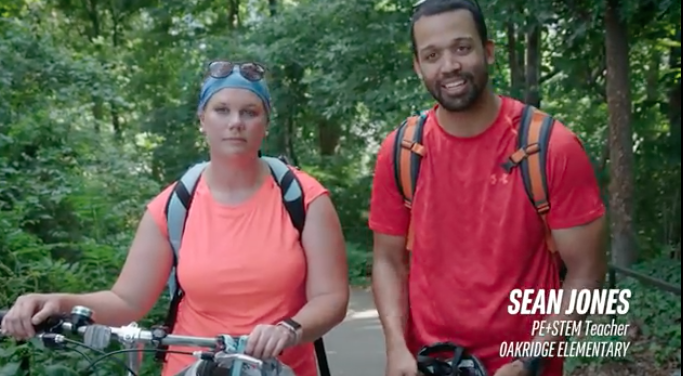
Driving to school can be a major source of traffic congestion. But while Safe Routes to School programs aim to make walking and biking to school a safer, easier option for students, getting teachers and school staff to leave their cars at home is still new terrain.
Leading the way is Arlington, Virginia, which has a transportation demand management program specifically to make it easier for teachers to give up the solo car commute habit. In the U.S., it’s the first program of its kind for an entire school district, according to Paul Mackie at Mobility Lab.
A few simple incentives can make a difference, Mackie writes:
Teachers who rideshare, or “carpool,” get to wave at the other commuters stuck in traffic as they breeze past in the HOV lanes.
And that’s not all. Once teachers get to school — in the case of this video, at Oakridge Elementary School and Arlington Community High School — they have priority carpool parking right in front.
Some call it “carpool therapy.” At Oakridge, teachers have added a “commuter lounge,” where teachers and staff who bike or walk to work can have a place to change and store their gear for the day.
If driving is not their thing, all employees of the public schools get a free membership to Capital Bikeshare. Yes, free. And pretty stress-free too.
Take a look at how it works in this MobilityLab video:
More recommended reading today: Urban Review STL points out that in St. Louis, the policy makers in charge of streets and transportation ignore the recommendations coming from the National Association of City Transportation Officials. And the Transportist previews new research illustrating the “mutually reinforcing relationships” between bicycling infrastructure and bicycling rates.

Read More:
Streetsblog has migrated to a new comment system. New commenters can register directly in the comments section of any article. Returning commenters: your previous comments and display name have been preserved, but you'll need to reclaim your account by clicking "Forgot your password?" on the sign-in form, entering your email, and following the verification link to set a new password — this is required because passwords could not be carried over during the migration. For questions, contact tips@streetsblog.org.